Step into the intimate world of the backyard mechanic, where passion and patience transform rusty relics into cherished classics. This exploration uncovers the deep cultural roots and timeless craftsmanship behind home-based restoration, revealing secrets of how these personal sanctuaries serve as hubs of tradition, innovation, and perseverance. As enthusiasts navigate the challenges of sourcing parts, troubleshooting intricate issues, and balancing authenticity with practicality, they discover that restoration is more than just technical skill—it’s a heartfelt journey rooted in respect for history and a love for craftsmanship. What hidden stories and skills lie beneath the surface of these garages? By blending meticulous craft with resourcefulness, backyard restorers preserve more than vehicles—they keep alive a tradition of self-reliance and community, proving that with patience and passion, even the most neglected machines can be reborn into timeless works of art.
The Garage as Your Personal Sanctuary for Vintage Revival
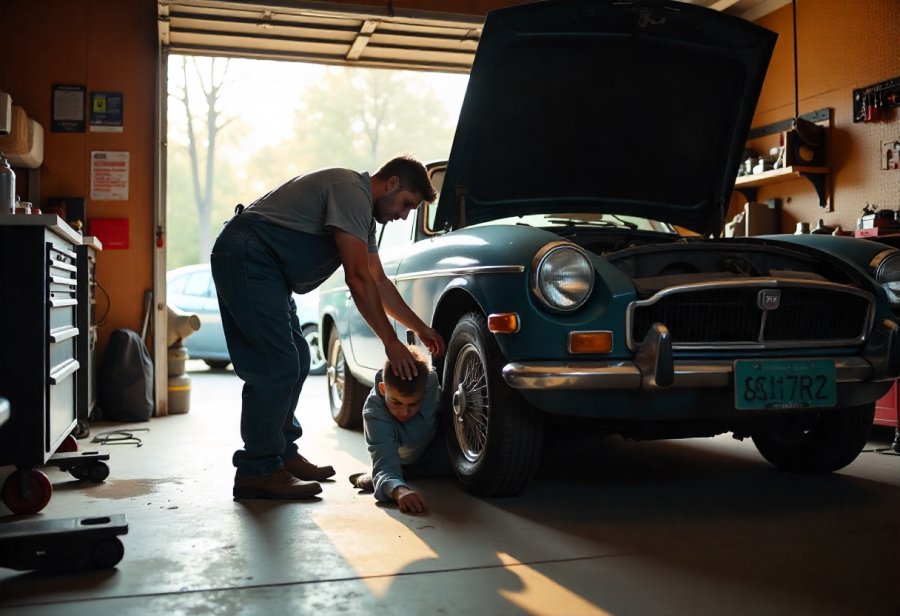
The garage isn’t just a space for parking or storing tools; it’s a personal sanctuary where passion for vintage machines comes alive. For many backyard mechanics, it’s a refuge—a place where the outside world fades, and focus shifts entirely to the craft of restoration. Inside these four walls, time seems to slow, and every detail matters. The smell of oil and grease mingles with the hum of focused activity, creating an atmosphere charged with purpose and creativity.
This space reflects the personality of its owner. Walls lined with pegboards display an array of tools, each ready for the next project. Workbenches are cluttered with parts, manuals, and coffee cups—testaments to late nights and unwavering dedication. It’s not just about fixing vehicles; it’s about creating something meaningful, piece by piece. The garage becomes a haven where patience, attention to detail, and perseverance are the guiding principles.
More than a workshop, it’s a place to slow down and reconnect with craftsmanship. Every turn of the wrench or weld is a small act of creation, a moment of mastery that nurtures the soul. For many, the garage is where memories are preserved and history is kept alive, one vintage machine at a time. Restoring old cars and motorcycles isn’t just a hobby; it’s a way to keep stories and traditions alive, breathing new life into relics that might otherwise be forgotten.
Beyond the technical aspects, the garage is a space of reflection and discovery. It encourages a mindset of patience and perseverance, where setbacks are just part of the journey. The act of restoration becomes meditative—each project a story of hope, effort, and love for craftsmanship. It’s a place where rust transforms into revival, and metal once neglected is reborn into something cherished and timeless.
For the backyard mechanic, this sanctuary is more than a workshop; it’s a sanctuary of passions and memories. It’s where skills are honed, and new techniques are learned. It’s a space that fosters a deep connection to the machines and the stories they carry. In this quiet realm, the love of vintage vehicles is nurtured, and the magic of restoration continues to thrive, one project at a time.
Tracing the Roots: The Rich History of Home-Based Vehicle Restoration
The tradition of restoring vehicles at home has deep roots, dating back to the early days when cars first became a common part of daily life. Back then, garages served as more than just storage—they were makeshift workshops where owners learned basic repairs and maintenance, often passing skills from generation to generation. This grassroots approach fostered a culture of self-reliance, pride, and resourcefulness that still influences the hobby today.
As automobiles grew in popularity, people began viewing their garages as spaces for preservation and personalization. Restoring vintage cars and motorcycles became a way to connect with history, transforming practical repairs into passionate pursuits. Local clubs and informal gatherings sprouted up, creating communities where enthusiasts swapped tips, parts, and stories—building a shared culture rooted in craftsmanship and camaraderie.
The advent of new technology in the late 20th century expanded the scope of garage restoration. Reproduction parts became more accessible, making it easier to find authentic components without endless searching. Online forums and social media platforms allowed enthusiasts worldwide to exchange advice, showcase projects, and learn from each other’s successes and setbacks. This digital connectivity transformed backyard garages into global workshops, raising standards and broadening participation.
Throughout this evolution, certain figures and milestones helped shape the culture. Legendary restorers and custom builders set high benchmarks, inspiring newcomers to hone their skills. Modern diagnostic tools and repair techniques simplified complex tasks, enabling hobbyists to take on more ambitious projects without sacrificing authenticity. Today’s garage restoration scene blends tradition with innovation, keeping the craft vibrant and inclusive.
Restoration also reflects broader values like sustainability and resourcefulness. Many enthusiasts emphasize repairing and reusing, rather than discarding, vintage parts. Refurbishing what’s available or fabricating replacements not only preserves the vehicle’s character but also aligns with environmental concerns. This mindset of conservation turns each project into a statement of care, patience, and respect for history.
Local stories and personalities play a crucial role in defining the community’s identity. Long-time hobbyists, master mechanics, and self-taught restorers become local legends, inspiring others to pick up the wrench. Their dedication and craftsmanship serve as reminders that behind every restored vehicle is someone committed to keeping history alive, passing down skills and stories that strengthen the tradition.
Today, the backyard restoration movement continues to thrive, blending time-honored techniques with new tools and ideas. It remains accessible to a diverse group of enthusiasts eager to breathe new life into vintage machines. Whether restoring a motorcycle or rebuilding a classic car, the core values of patience, creativity, and respect for craftsmanship keep this passion alive. This ongoing tradition celebrates the love of craftsmanship and the joy of preserving history, one project at a time.
Fundamentals Unveiled: Core Ideas and Philosophies of Garage Restoration
Restoring vintage machines is as much about mindset as it is about skills. Respect for craftsmanship guides every step, encouraging patience, precision, and a careful approach to each bolt and weld. This mindset transforms the act of repair from a hurried task into a deliberate craft, where attention to detail ensures authenticity and quality. Enthusiasts see every component as part of a larger story, valuing the vehicle’s history and character while working to preserve its soul.
Skills like diagnosing engine issues, welding, and cleaning are essential tools, but they serve a deeper purpose. Restoration is a process of continuous learning—trial and error, improvisation, and problem-solving become part of the journey. Sourcing original parts can be a challenge, requiring patience and resourcefulness. Sometimes, repairing or adapting existing components becomes a creative solution that maintains the vehicle’s authenticity without compromising safety or functionality.
The philosophy behind garage restoration often revolves around transforming decay into revival. Rusted, neglected vehicles become symbols of hope and care through careful restoration. It’s about nurturing a personal bond with the machine, treating it with reverence while also recognizing when thoughtful modification is necessary to keep it relevant and operational. Balancing preservation with practical updates keeps vintage machines alive and engaging for new generations.
A systematic approach is key. Assessing the condition thoroughly before disassembly helps identify what can be saved and what needs replacing. Hidden issues like corrosion or electrical faults often surface during inspection, guiding the repair process. During reassembly, meticulous attention to detail ensures that everything fits and functions smoothly, resulting in a vehicle that feels authentic and reliable, true to its original design.
Patience and resourcefulness turn obstacles into milestones. Whether it’s a stubborn bolt or a rare part, creative solutions—like using penetrating oil, heat, or modern substitutes—are part of the craft. Troubleshooting complex problems involves breaking them down into manageable steps, testing components, and seeking advice when needed. Each challenge overcome deepens skills and reinforces the satisfaction of bringing a vintage machine back to life.
At its core, garage restoration is driven by passion and a respect for tradition. It’s about embracing both the technical and emotional aspects of craftsmanship. Every project becomes a personal story—an act of preservation that honors the past while allowing room for innovation. This balance of patience, skill, and love keeps the spirit of vintage restoration alive, turning rusty relics into cherished classics.
Hands-On Wisdom: Practical Tips and Real-World Insights for Enthusiasts
Getting hands-on in your garage goes beyond just having the right tools; it’s about cultivating a mindset of patience, resourcefulness, and careful attention to detail. Breaking your project into manageable steps with a clear plan helps prevent overwhelm and keeps progress steady. Start with quality, versatile tools like good wrenches, screwdrivers, and pliers—these will serve you well across different projects and save you time in the long run. Building a solid toolkit creates a foundation of confidence and efficiency that makes the entire process smoother.
Online communities and forums are goldmines for advice and support. Connecting with fellow enthusiasts allows you to troubleshoot tricky problems, find rare parts, and learn new techniques. Don’t hesitate to ask questions or share photos; most hobbyists are eager to help others succeed. When searching for parts, look beyond local stores—salvage yards, online marketplaces, and swap meets often hide exactly what you need, sometimes at a fraction of the cost. This resourcefulness turns frustrating hunts into rewarding discoveries.
Patience is essential, especially when faced with setbacks like rusted bolts or missing components. Sometimes, you’ll need to get creative—using penetrating oil, applying heat, or improvising with modern substitutes. Mistakes are part of the process; each one teaches you something new. Celebrating small victories, like freeing a stubborn part or correctly wiring a circuit, keeps motivation high and reminds you that every challenge is a step forward.
Restoration often feels like a treasure hunt. Authentic parts for vintage vehicles can be elusive, requiring months of searching. Keeping an open mind and exploring repair or modification options can save time and still preserve the vehicle’s character. Developing resourcefulness and patience not only makes the process more enjoyable but also boosts your skills, turning obstacles into learning opportunities. Over time, these experiences deepen your understanding and craftsmanship.
Troubleshooting complex issues—whether electrical, mechanical, or fuel-related—demands a systematic approach. Break problems into smaller parts, test each component carefully, and seek expert advice when needed. Watching instructional videos or consulting manuals can provide fresh insights and techniques that boost your confidence. The key is to stay calm and persistent, knowing that each problem you solve adds to your growing mastery. This methodical approach transforms daunting repairs into satisfying accomplishments, making every repair a lesson in patience and skill.
Unveiling the Secrets: The Heart and Craft Behind Successful Restoration
Restoring vintage machines in a garage is more than a technical challenge; it’s a heartfelt journey driven by passion and respect for craftsmanship. The real secret lies in the patience to see each project through, understanding that true quality takes time and deliberate effort. Every bolt tightened and weld carefully laid reflects a mindset rooted in care, authenticity, and dedication. When approached with this level of commitment, the act of restoration becomes a meaningful act of preservation, breathing new life into relics that might otherwise fade into obscurity.
The magic of a successful garage rebuild comes from the love of the craft itself. Enthusiasts don’t rush or cut corners—they embrace obstacles like finding rare parts or troubleshooting stubborn issues as part of the story. These moments of challenge deepen the connection to the machine, transforming a simple repair into a personal act of respect for history. Every small victory, from a smooth engine start to a perfect paint job, fuels the passion to keep going, turning the process into a source of pride rather than frustration.
Respect for authenticity remains at the core of every project. Many backyard restorers strive to preserve the original parts and character of their vehicles, but they also recognize when thoughtful modifications are necessary to keep a vintage machine functional and relevant. This balance of preservation and innovation creates a unique personal signature while honoring the vehicle’s history. It’s this delicate dance—between maintaining authenticity and making practical updates—that makes each restoration special and meaningful.
Another key secret is the mindset of continuous learning. Every project offers lessons—whether it’s a new rust removal technique, wiring trick, or sourcing method—that expand skills and deepen understanding. This curiosity keeps the passion alive and turns setbacks into opportunities for growth. Over time, these experiences build confidence and turn novice hobbyists into seasoned restorers who appreciate that patience, persistence, and a willingness to adapt are the real keys to mastery.
Community plays a vital role in unveiling these secrets. Sharing stories, exchanging parts, and offering advice foster a supportive network that inspires and motivates. Behind every restored vehicle is someone who invested time, love, and skill, contributing to a collective passion that keeps the tradition alive. These stories and connections remind us that restoration is not just about the end product but about the shared journey—one that celebrates craftsmanship, patience, and the joy of preserving history.
In the end, the greatest secret is that restoration is as much about the process as it is about the finished vehicle. It’s about reconnecting with timeless craftsmanship, slowing down the pace of life, and finding joy in the small, deliberate acts of repair. Driven by love and guided by respect, each project becomes a personal legacy—proof that with patience, skill, and passion, even the rustiest relics can be reborn into something remarkable.