Imagine transforming your business communication into a seamless, personalized experience that boosts efficiency and drives growth. Grandstream’s innovative telephony devices are at the forefront of this revolution, offering scalable, cloud-managed solutions that adapt effortlessly to evolving operational needs. With features like programmable keys, high-definition audio, and centralized management through platforms like GDMS, these endpoints empower organizations to deploy, monitor, and modify their networks with unprecedented ease. But how can such customizable systems truly redefine productivity and customer engagement? As businesses grapple with increasing complexity and remote work demands, the ability to tailor communication tools becomes a strategic advantage. These advanced devices do more than just connect calls—they streamline workflows, enhance security, and future-proof infrastructure. Are you ready to unlock this potential and elevate your network’s efficiency? Discover how Grandstream’s versatile portfolio is shaping the future of business communication in today’s digital landscape.
Unlocking Success with Customizable Telephony Solutions
In today’s fast-moving world of business, effective communication is more than just a convenience—it’s a critical driver of success. As companies grow and workflows become more complex, the need for adaptable, personalized telephony solutions becomes increasingly clear. Rigid systems that treat all users the same can leave gaps in efficiency and frustrate staff, ultimately impacting customer experience. That’s where customizable telephony devices and platforms come into play, offering tailored features that fit specific operational needs.
Customizable telephony solutions empower organizations to create communication environments that are both efficient and user-friendly. Whether it’s integrating with customer management tools, designing intuitive interfaces, or optimizing call routing, these features help teams work smarter. They enable quick adjustments—adding new users, expanding capacity, or refining call flows—without disrupting daily operations. This flexibility becomes a strategic advantage, helping businesses stay agile and responsive in a competitive landscape.
The evolution of communication technology has been a game-changer. Traditional landlines and fixed hardware offered limited options for growth, often requiring costly and time-consuming upgrades. Today, IP-based systems and cloud-managed platforms open up new possibilities for customization and scalability. Devices like Grandstream’s telephony endpoints are designed to support personalized configurations—programmable keys, high-definition audio, and centralized management—that turn standard phones into powerful, adaptable communication hubs.
Investing in these solutions isn’t just about adding features; it’s about building a resilient, streamlined infrastructure. When communication tools align with specific workflows, teams can handle calls more efficiently, respond faster, and deliver better service. This leads to improved customer satisfaction and smoother internal processes, which are vital for maintaining a competitive edge. As digital channels continue to evolve, the ability to manage and adapt telephony systems quickly becomes a key factor in long-term success.
Understanding the technological foundation behind these systems helps organizations see the full potential of customization. Modern telephony now integrates voice, video, messaging, and data—all working seamlessly over the internet. This shift requires a robust network infrastructure, including capable routers, switches, and security measures, to ensure high-quality, secure communications. Recognizing how these components fit together allows businesses to design networks that are both flexible and reliable, ready to scale as needed.
Devices such as Grandstream’s IP phones exemplify how hardware can support customization and growth. Their support for centralized management platforms like GDMS simplifies deployment, configuration, and maintenance—especially across multiple locations. This ease of management makes scaling up or modifying setups straightforward, saving time and operational costs. It also ensures consistency in performance and security, regardless of how many endpoints are in use.
Finally, embracing customizable telephony solutions means embracing a future-proof approach to communication. These systems adapt to evolving needs, support expansion, and enhance security—crucial factors in today’s digital landscape. By deploying scalable, personalized devices, organizations can foster better collaboration, improve workflows, and deliver a higher level of service. This strategic investment in communication technology ultimately helps businesses stay ahead in an increasingly connected world.
Mastering the Foundations of Modern Telephony Technology
Understanding the core technology behind telephony systems is essential for appreciating how customizable solutions can revolutionize business communication. Modern telephony has evolved far beyond traditional landlines; it now encompasses digital and internet-based systems that seamlessly integrate voice, video, messaging, and data into a unified platform. These systems rely on key components such as IP phones, gateways, servers, and cloud platforms—all working together to route calls efficiently, maintain high quality, and ensure security. Recognizing how these elements interact provides a clearer picture of the potential for tailored communication environments.
At the heart of today’s telephony innovations is Voice over IP (VoIP), which replaces conventional phone lines with digital calls over the internet. This transition offers significant benefits, including scalability, richer feature sets, and easier management. However, it also demands a robust network infrastructure capable of handling increased data loads without compromising call quality. Essential network devices like routers, switches, and firewalls must be configured to prioritize voice traffic and prevent issues such as latency or dropped calls, especially during peak usage times.
A key concept in ensuring clear and reliable communication is Quality of Service (QoS). QoS protocols prioritize voice data packets over other types of internet traffic, which helps maintain high call quality even when multiple applications compete for bandwidth. This is crucial for organizations that rely heavily on voice communication, as it guarantees consistent audio clarity and prevents disruptions. Coupled with centralized provisioning and remote management tools, which allow IT teams to configure and troubleshoot devices from afar, QoS ensures a stable foundation for scalable, enterprise-grade telephony.
Customization begins with understanding that each business has unique operational needs. Some require quick access to specific functions, while others benefit from personalized interfaces or specialized call routing. Devices like Grandstream’s IP phones support programmable keys, high-definition audio, and intuitive controls, enabling organizations to tailor their communication tools to enhance workflow efficiency. When these devices are integrated into a well-designed network with centralized management platforms, they transform from simple endpoints into powerful, adaptable communication hubs that support growth and flexibility.
Security and resilience are fundamental to a reliable telephony infrastructure. As communication increasingly relies on internet connectivity, protecting sensitive data and ensuring continuous operation are top priorities. Features like encryption, secure provisioning, and automatic firmware updates help safeguard communications, while failover mechanisms and load balancing maintain high availability during disruptions. Devices equipped with these security measures enable organizations to expand their networks confidently, knowing their systems are protected against cyber threats and operational failures. This robust foundation supports not only current needs but also future growth, making telephony systems both secure and adaptable in a rapidly evolving digital landscape.
Navigating Today’s Rapidly Evolving Telephony Landscape
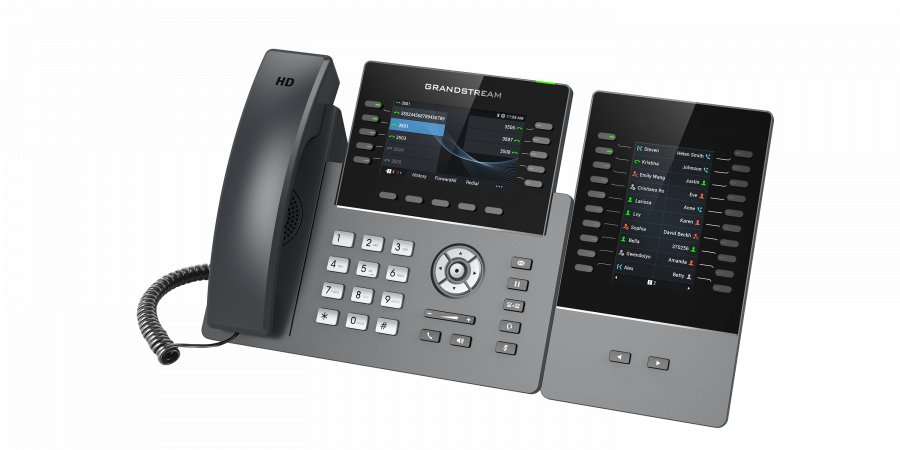
Today’s telephony landscape is evolving rapidly, driven by technological innovations that make communication more flexible, integrated, and accessible. Cloud-managed solutions lead the charge, enabling businesses to deploy scalable systems that are easy to configure, update, and maintain remotely. This shift reduces reliance on bulky on-site hardware and streamlines large-scale deployments, allowing organizations to adapt quickly to changing needs. Devices like the Grandstream GRP series exemplify this trend, offering centralized control through cloud platforms that simplify management across multiple locations.
Alongside these advancements, customization options are expanding, giving companies the power to tailor their communication environments to fit specific workflows and user preferences. Programmable keys, CRM integrations, and flexible call routing help create environments where employees can work more efficiently. This personalization not only accelerates workflows but also enhances customer interactions, making service more responsive and professional. As businesses seek to stand out through superior communication, these tailored solutions become a critical part of their strategic toolkit.
Integration is reshaping how organizations approach telephony. Modern systems seamlessly connect voice, video, messaging, and data platforms, creating a unified communication ecosystem. This interconnected approach breaks down silos, enabling teams to switch effortlessly between channels and collaborate more effectively. Remote work, now a staple for many, benefits immensely from this connectivity, allowing employees to access their communication tools from anywhere without sacrificing quality or security. The result is a more agile, resilient, and responsive organization capable of meeting the demands of today’s fast-paced environment.
Security and reliability remain at the forefront of telephony advancements. Devices and platforms now support encryption, secure provisioning, and automatic updates, ensuring sensitive data stays protected. Cloud management tools provide real-time monitoring and troubleshooting, minimizing downtime and maintaining high-quality service. These features empower organizations to expand their networks confidently, knowing their communication systems are resilient against cyber threats and operational disruptions. As telephony becomes more integral to business continuity, security measures are no longer optional—they are essential.
Overall, the current telephony landscape is characterized by a shift toward smarter, more adaptable solutions that prioritize user experience, security, and scalability. Businesses are leveraging cloud technology and advanced hardware to build communication networks that grow with them, offer greater customization, and deliver consistent, high-quality interactions. These innovations are not just changing how companies communicate—they are redefining what effective, efficient, and personalized business communication can look like in the digital age.

Empowering Communication with Grandstream’s Device Portfolio
Building on the foundation of modern telephony technology, Grandstream’s device portfolio offers a versatile array of endpoints designed to meet the diverse needs of today’s businesses. Whether deploying in a small office or a large enterprise, these devices are engineered for easy customization and scalable deployment. With features like programmable keys, high-definition audio, and intuitive interfaces, Grandstream’s phones empower organizations to tailor their communication environments to specific workflows and operational demands seamlessly.
One of the standout strengths of Grandstream’s IP phones is their support for centralized management through platforms like GDMS. This capability allows IT teams to configure, monitor, and update hundreds or even thousands of devices remotely, significantly reducing deployment time and ongoing maintenance efforts. The plug-and-play design ensures new devices can be swiftly added across multiple locations, maintaining consistency in configuration and security without the need for on-site adjustments. This level of control simplifies scaling communication networks as organizations grow or evolve.
The Grandstream GRP series exemplifies devices built for mass deployment, combining high scalability with comprehensive management features. These endpoints integrate smoothly with cloud management platforms, offering a unified interface for provisioning, firmware updates, and security enforcement. Their design supports rapid expansion, enabling organizations to deploy large numbers of phones efficiently while maintaining high standards of performance and security. This approach not only streamlines operations but also ensures a consistent user experience across all endpoints, whether in reception areas, call centers, or executive offices.
Beyond basic call handling, Grandstream’s endpoints emphasize customization to enhance user productivity. Many models feature programmable keys that can be assigned to specific functions, speed dial numbers, or integrated with CRM systems. This personalization accelerates workflows and reduces navigation time, especially in high-volume environments. Coupled with high-quality audio and high-resolution screens, these devices facilitate more engaging, effective communication and support better customer service and internal collaboration.
Security remains a core focus across Grandstream’s device lineup. Most endpoints support encryption protocols, secure provisioning, and automatic firmware updates, helping organizations protect sensitive data and maintain compliance. The centralized management platforms enable real-time monitoring and remote troubleshooting, minimizing downtime and enhancing operational resilience. This robust security architecture allows businesses to expand their telephony networks confidently, knowing their communication infrastructure is protected against cyber threats and operational disruptions, ready to support future growth.
With their flexible configurations and straightforward deployment, Grandstream’s device portfolio empowers organizations to optimize their telephony infrastructure for efficiency and expansion. Whether in busy call centers, executive offices, or reception areas, these endpoints can be tailored with custom workflows and user preferences. Their compatibility with cloud management systems ensures quick adaptation to changing needs, from adding new users to upgrading features. This combination of adaptability and ease of management makes Grandstream’s devices a reliable foundation for scalable, personalized, and secure business communication.