Imagine transforming every walk into a peaceful, bonding experience with your dog—sounds ideal, but how do you achieve it? Mastering calm, focused walks not only improves your pet’s behavior but deepens your connection through trust and mutual respect. This guide reveals practical techniques, from establishing clear commands like “heel” to managing distractions and external risks—turning chaotic moments into opportunities for growth. It emphasizes the importance of consistent routines, proper equipment, and your calm demeanor to foster confidence and reduce stress. Are you prepared to handle unexpected challenges, such as leash tangles or reactive behaviors, with patience and steadiness? The journey toward calm walks is about more than obedience; it’s about creating a secure environment where both of you thrive. With steady effort and mindfulness, your daily outings will evolve into shared successes, transforming the mundane into meaningful moments of mutual understanding.
Transform Your Walks: Embrace Calm, Connection, and Confidence
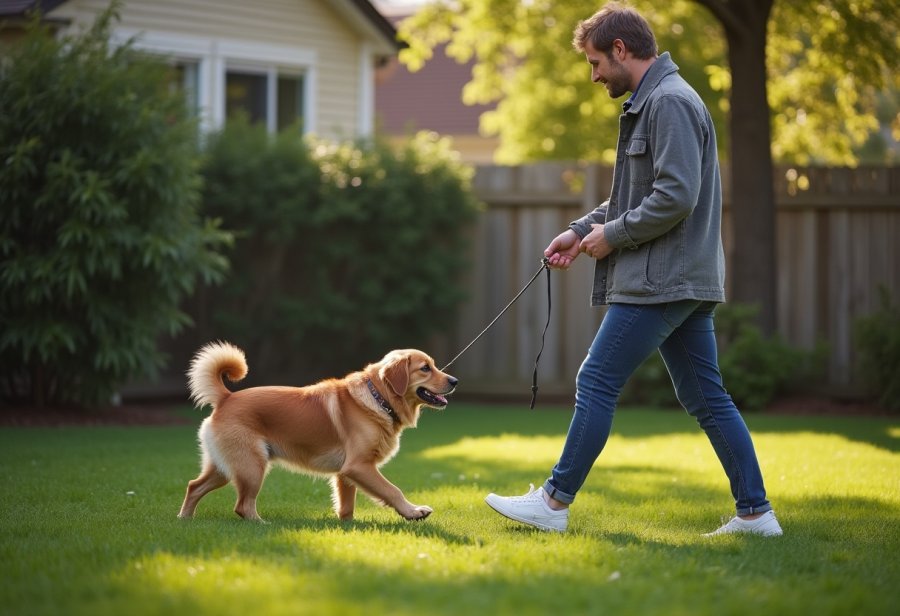
Taking a calm, controlled approach to dog walking can transform both your experience and your dog’s behavior. When your dog walks quietly by your side, it creates a peaceful atmosphere that turns outings into enjoyable, stress-free moments. This kind of walking not only improves manners but also helps reduce pulling, anxiety, and reactivity, making every walk safer and more pleasant for everyone involved.
A calm walk also deepens the bond between you and your dog. When your pet learns to walk with focus and patience, it shows trust in your leadership and a willingness to listen. Over time, this routine fosters clear communication and mutual respect, turning what might seem like a routine chore into a shared moment of connection. Teaching your dog that staying calm and attentive is rewarding can make future outings easier and more predictable.
This guide aims to help you develop that harmony by sharing practical tips on establishing basic commands like “heel” and using positive reinforcement to encourage good behavior. You’ll learn how to handle common challenges such as pulling or distractions, turning obstacles into opportunities for growth. The goal is to create a consistent, rewarding routine built on patience, setting the stage for enjoyable, stress-free walks.
Calm walking isn’t just about obedience; it’s about nurturing trust and reducing stress for both of you. When your dog feels safe and confident during walks, they’re more likely to stay focused and relaxed, even in busy or stimulating environments. This peaceful approach lays the foundation for a lifelong partnership based on mutual understanding and respect.
With steady practice and a gentle touch, every walk can become a positive experience. By establishing clear routines and using reinforcement wisely, you’ll find that your dog becomes more attentive and less reactive. These calm moments not only improve behavior but also strengthen your bond, making daily walks shared successes and moments of joy.
Master the Basics: Building a Foundation for Calm Dog Walking
Understanding the basics of dog walking is essential for establishing calm, effective routines. Key concepts like “leash manners,” “heel,” and “positive reinforcement” create a clear framework for guiding your dog. Leash manners mean your dog walks beside you without pulling, lunging, or lagging behind. Teaching the “heel” command helps your dog stay close and focused on you, making walks smoother and more enjoyable for both of you.
Modern training emphasizes reward-based methods over punishment, which builds trust and confidence. Using treats, praise, or gentle guidance encourages your dog to repeat good behaviors, making training a positive experience. Recognizing your dog’s unique personality and environmental influences allows you to tailor your approach, gradually exposing them to distractions while maintaining calmness.
Consistency is critical. Short, regular training sessions reinforce desired habits without overwhelming your dog. When your dog responds correctly, immediately reward their focus and attentiveness, reinforcing the connection between good behavior and positive outcomes. Over time, these small successes help your dog understand what’s expected and foster a relaxed, cooperative attitude.
Understanding external factors like environment, breed traits, and stimuli helps you adapt your training. For instance, a lively park may require more patience and redirection than a quiet backyard. Approaching each walk with patience and clarity ensures your dog remains calm and attentive, turning routine outings into opportunities for trust-building and mutual learning.
Using humane tools like clickers, gentle leashes, and comfortable harnesses can make a significant difference. These aids support calm, controlled walking without causing discomfort or stress. Pairing them with consistent cues and positive reinforcement creates a smooth, effective training foundation that encourages your dog to stay focused and relaxed.
Finally, patience and persistence are your best allies. Training is a gradual process filled with small improvements. Celebrating these moments keeps both you and your dog motivated. As your understanding deepens and routines solidify, calm walking becomes a natural, shared rhythm—strengthening your bond and making every walk a peaceful, bonding experience.
Essential Elements: Creating Peaceful and Effective Walks
A calm, relaxed walk with your dog hinges on several key elements working together seamlessly. Clear communication is foundational—using consistent commands like “heel” or “focus” helps your dog understand what behavior you expect. When your dog walks beside you without pulling, they learn that staying close and attentive is both expected and rewarding, making the experience smoother for both of you.
Handling the leash properly is crucial. Keep a loose grip to allow your dog enough freedom to explore while maintaining gentle guidance. Tension on the leash creates stress and can make your dog anxious or reactive. Managing distractions is equally important; start in quiet, familiar environments to help your dog focus, then gradually introduce busier settings as their confidence grows. Consistency in these environments reinforces calmness regardless of location.
Your own demeanor sets the tone for the walk. Staying calm, confident, and relaxed encourages your dog to mirror your attitude. Dogs are perceptive and respond to your energy, so a tense or hurried owner can unintentionally heighten your dog’s reactivity. Reinforcing calm behavior with steady cues and positive rewards builds trust and teaches your dog that remaining attentive is both expected and beneficial.
External factors like environment and breed traits influence walking behavior. Recognizing when your dog is overstimulated allows you to pause, redirect, and reinforce calmness. Whether navigating a crowded park or a busy street, gentle guidance and patience help your dog handle new stimuli without losing composure. When these components align, walks become peaceful moments of bonding rather than battles for control.
Integrating clear communication, proper leash handling, your calm presence, and environmental awareness creates a solid foundation for successful, relaxed walks. These elements foster trust, reduce stress, and turn daily outings into shared experiences of progress and connection. Consistently applying these principles ensures each walk strengthens your bond and nurtures your dog’s confidence, making calmness a natural part of your routine.
Putting Techniques into Practice: Real-World Calm Walking Strategies
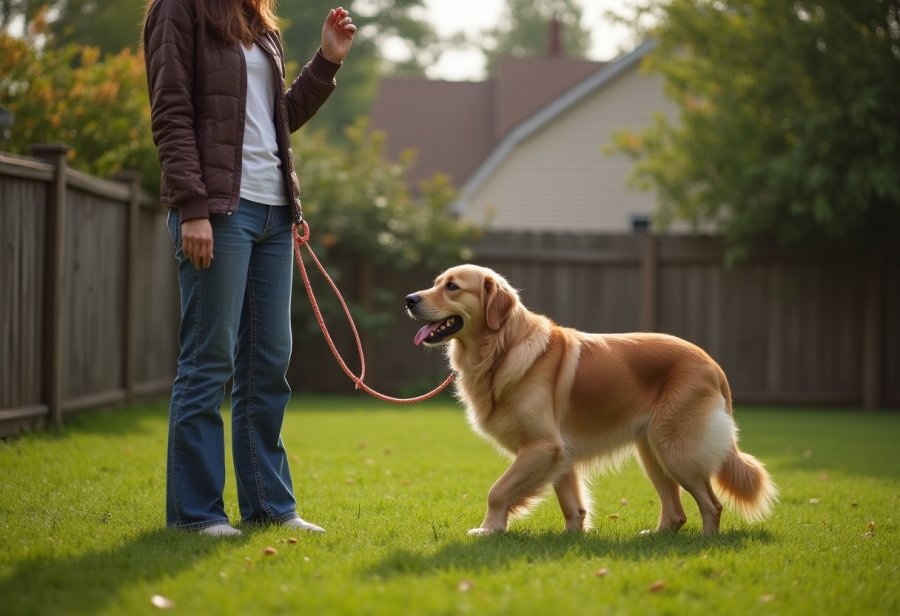
Applying calm walking techniques in real-world situations requires a practical, step-by-step approach. Start in quiet, familiar environments where your dog can focus on your cues without too many distractions. Keep walks short—around 10 to 15 minutes—and reward your dog each time they walk beside you without pulling or reacting. As they become more reliable, gradually introduce busier locations like parks or bustling streets. This gradual exposure builds confidence without overwhelming your dog, turning each outing into a manageable success.
When your dog pulls or gets distracted, redirect their attention immediately with commands like “focus” or “heel.” Reinforce correct responses with treats or praise right away to strengthen the connection between good behavior and reward. Consistency is key—using the same cues and rewards every time helps your dog understand what’s expected, making it easier to maintain calmness in more stimulating environments. Turning chaotic moments into opportunities for redirection will gradually teach your dog to stay attentive and relaxed.
If your dog reacts strongly to other animals or loud noises, pause calmly and reset. Avoid yanking or harsh corrections, which can escalate their excitement or anxiety. Instead, guide them back to your side with gentle, steady guidance and reward their focus. Over time, this teaches your dog that remaining calm and attentive leads to positive outcomes, even in challenging situations. Practice regularly in different settings to help your dog generalize calm behavior across environments.
Using tools like a front-clip harness or head halter can support better control during high-energy walks. These devices help prevent pulling and make redirection easier without force. Pair them with your consistent cues and positive reinforcement to build a routine that encourages calm, focused walks. Remember, patience and calm persistence are your best tools—each successful outing reinforces your dog’s trust and focus.
Managing real-world scenarios also means anticipating potential challenges. Carry treats, a clicker, or a calming toy to redirect your dog’s attention when needed. If your dog becomes overstimulated or reactive, calmly remove them from the situation and give both your dog and other people space. Recognizing early signs of stress allows you to intervene before things escalate, turning tricky moments into teaching opportunities.
Every walk is a chance to reinforce calmness and trust. Stay relaxed, be consistent, and celebrate small victories. Over time, these practical applications will help your dog stay focused and relaxed in any environment, transforming walks from stressful to peaceful shared experiences.
Smart Resource Use: Optimizing Tools, Time, and Effort for Success
Managing your resources effectively is key to maintaining a consistent and successful training routine. Setting aside dedicated times each day for walks and practice helps your dog understand when to expect calm behavior, making training a natural part of their daily rhythm. Short, frequent sessions tend to be more effective than long, sporadic ones, keeping your dog engaged without feeling overwhelmed. Consistency in timing and approach creates a predictable routine your dog can rely on, reinforcing good habits over time.
Choosing the right equipment makes a noticeable difference in your training progress. A well-fitting harness or head halter provides better control, especially for dogs prone to pulling or easily distracted. Investing in quality treats and a reliable clicker ensures immediate reinforcement, helping your dog connect good behavior with positive outcomes. Proper gear not only prevents discomfort but also encourages cooperation, making each session more productive and less frustrating for both of you.
Your effort should focus on patience and persistence. Short, 5 to 10-minute training bursts are more effective than lengthy sessions that can lead to fatigue or boredom. Celebrating small wins, like walking calmly for a few steps or ignoring a distraction, builds your dog’s confidence and understanding. These incremental successes lay a solid foundation for longer, more complex routines, helping your dog see training as a rewarding experience.
Budget wisely by prioritizing quality over quantity. Basic essentials like a sturdy leash, comfortable harness, and tasty treats are affordable and effective. As your dog improves, consider additional tools such as training classes or behavioral aids that suit their personality and needs. Staying flexible allows you to adapt your approach as your dog progresses, ensuring your resources are aligned with your training goals.
Remember, every dog learns at their own pace. Tailoring your resource management—whether in terms of time, effort, or equipment—keeps training sustainable and enjoyable. Being attentive to your dog’s responses helps you adjust strategies, making each session more targeted and rewarding. Consistency and patience turn everyday training into a positive, bonding experience that benefits both of you.
By maintaining a steady, mindful approach to resource allocation, you set the stage for ongoing growth. When your efforts are focused and deliberate, calm, focused walks become the norm rather than the exception. Celebrating small progress along the way reinforces your success, fostering a trusting, confident partnership built on mutual respect and calmness.
Step-by-Step Planning: Setting Up and Sustaining Calm Routine Walks
Starting your calm walk routine begins with a clear plan that sets both you and your dog up for success. Decide on specific behaviors to reinforce, whether it’s maintaining the “heel” command, staying focused amid distractions, or simply establishing a relaxed pace. Having a goal in mind keeps you consistent and motivated, turning each walk into a step forward. Prepare your equipment ahead of time—grab a comfortable harness, a sturdy leash, and some tasty treats—so you’re ready without distractions.
Choosing familiar, quiet environments for the first sessions helps your dog focus on your cues without feeling overwhelmed. Keep initial walks short—around 10 to 15 minutes—and practice regularly. Short, frequent outings reinforce good habits and build confidence without stress. As your dog becomes more reliable, gradually introduce busier locations like parks or busy streets, helping them generalize calm behavior across different settings.
Begin each walk with a calm, centered mindset. Take a few deep breaths, relax your shoulders, and set an intention for a peaceful outing. Your calm energy influences your dog’s mood, making it easier for them to stay attentive. Use consistent cues and reward your dog immediately when they respond correctly, creating a predictable routine your dog learns to trust.
During the walk, stay patient and attentive. If your dog pulls or gets distracted, gently redirect their attention with your cues. Avoid harsh corrections; instead, guide them back to your side with calm, steady guidance and praise. Remember, setbacks are normal—every small success reinforces trust and encourages calmness.
As your dog progresses, slowly increase complexity by adding stimuli or extending walk durations. Practice in different environments to help your dog generalize calm behavior everywhere. Focus on consistency and patience, knowing each walk is a chance to deepen your bond and reinforce their confidence. Over time, calm, mindful routines will become second nature, transforming walks into peaceful, shared moments.
Stay Safe: Managing Hazards and Risks for Peaceful Outings
Walking your dog safely means staying alert to potential hazards that can turn a routine walk into a stressful situation. Leash tangles are common, especially in crowded parks or narrow sidewalks, where your dog might get caught around objects like poles or branches. These sudden jerks can cause falls or injuries, so choosing a sturdy, well-fitted harness is essential to prevent such accidents. Maintaining a relaxed grip on the leash allows you to respond calmly if your dog pulls or gets tangled.
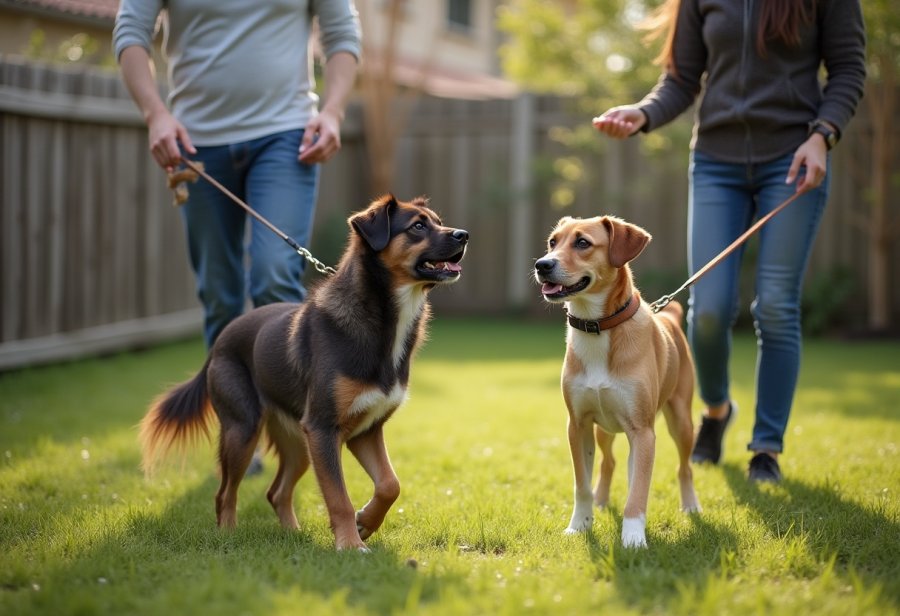
Distractions such as loud noises, passing vehicles, or other animals can trigger reactive behaviors like pulling, lunging, or barking. Recognizing early signs of overstimulation helps you gently redirect your dog’s attention with commands like “focus” or “sit,” which can help keep the situation under control. Yanking or harsh corrections only escalate their excitement or anxiety; instead, guide them back to your side with calm, steady guidance and reward their focus. Over time, this teaches your dog that calmness and attention lead to positive outcomes.
Some dogs may react aggressively toward strangers or other animals, risking bites or fights. If your dog shows signs of aggression or distress, calmly remove them from the situation and give both your dog and others space. Carry basic first aid supplies like antiseptic wipes or a clean cloth to address minor injuries quickly. If your dog becomes injured or overly stressed, seek veterinary or professional help promptly to ensure proper care and prevent further issues.
Having an emergency plan is crucial. Know how to react if your dog suddenly becomes aggressive or encounters a dangerous situation. Keep your phone handy, along with your veterinarian’s contact info, so help is always within reach. Calm, confident handling during unexpected moments reassures your dog and maintains safety. This steady approach builds trust, helping your dog feel secure even when surprises happen.
Early recognition of hazards and calm responses prevent accidents and reinforce your role as a confident leader. Avoid reacting with frustration or harsh corrections, which can increase stress and worsen the situation. Instead, use gentle redirection and positive reinforcement to reinforce calmness and focus. These techniques nurture your dog’s confidence and foster a sense of security, making future walks safer and more enjoyable.
Preparedness and steady control turn potential risks into opportunities for teaching calm, attentive behavior. Every safe, controlled walk strengthens your bond and helps your dog learn to navigate challenges with confidence. Over time, this resilience makes outings smoother, turning stressful scenarios into moments of learning and trust. Building this foundation ensures that both you and your dog enjoy safer, more peaceful adventures together.