




In a world where clear, reliable communication can determine a company’s success, customized telephony solutions emerge as the game-changer. Are you harnessing the full potential of innovative devices like Grandstream’s IP phones to streamline workflows and elevate customer experiences? This evolving landscape transforms traditional systems into strategic assets—offering features like auto-attendants, remote management, and seamless integration—all tailored to fit unique business needs. The journey from rotary phones to cloud-managed VoIP exemplifies technological leaps that enhance reliability, security, and flexibility. Yet, as organizations embrace these advancements, they face challenges such as security risks and integration complexities. Staying ahead means adopting future-ready technologies—AI-driven call routing, voice recognition, and smart management—that promise more natural interactions. Are you prepared to adapt your communication infrastructure for tomorrow’s demands? This ongoing evolution transforms telephony from a utility into a vital driver of growth, innovation, and competitive advantage.
Transforming Business Communication with Customized Telephony Solutions
In today’s fast-moving business landscape, clear and reliable communication isn’t just a convenience—it’s essential. Companies depend on their systems to keep teams connected, serve customers promptly, and stay ahead of competitors. As organizations grow and their communication needs become more complex, traditional landlines and basic phone setups often fall short, creating bottlenecks and inefficiencies. That’s where customized telephony solutions make a real difference, offering tailored systems that align perfectly with each business’s unique workflows and industry demands.
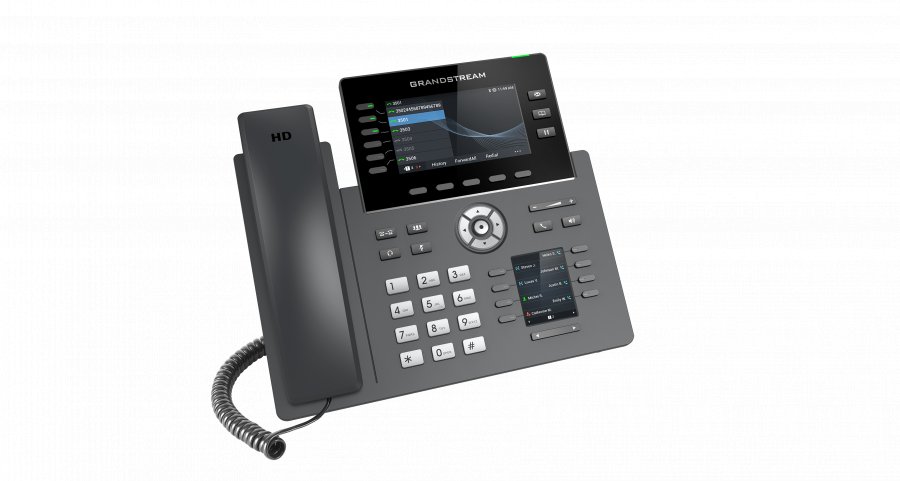
Modern telephony isn’t just about making calls; it’s a strategic tool that transforms how organizations operate. These solutions leverage digital technology, featuring IP phones like those from Grandstream, which serve as intuitive, high-quality interfaces for users. Connecting over the internet, these devices replace traditional lines, providing advanced features such as HD audio, programmable keys, and personalized settings that boost productivity and improve user experience. Cloud management platforms further enhance this flexibility, giving administrators centralized control to deploy, configure, and monitor devices across multiple locations effortlessly.
The evolution of telephony technology has been remarkable. From Alexander Graham Bell’s groundbreaking invention to the digital switching systems of the 20th century, each milestone has expanded what’s possible in communication. The rise of mobile phones in the 1980s extended connectivity beyond fixed locations, while VoIP technology in the late 1990s revolutionized costs and customization. Today’s systems integrate hardware and software seamlessly, supporting features like auto-attendants, call routing, and remote management—turning communication infrastructure into a competitive advantage.
By embracing these tailored solutions, businesses can streamline daily operations and enhance customer interactions. Customized telephony allows for precise call routing, dedicated auto-attendants, and flexible device configurations, whether staff are in the office or working remotely. Such personalization not only speeds up response times but also elevates the overall customer experience, turning everyday communication into a strategic asset that drives growth.
Understanding the history and current landscape of telephony helps clarify its vital role in modern business. From simple landlines to cloud-managed VoIP systems, each step has increased reliability, lowered costs, and opened new avenues for customization. These innovations enable organizations to stay agile, secure, and ready to adapt to future demands. In essence, customized telephony solutions are no longer just communication tools—they are core components of a resilient, efficient, and forward-looking business strategy.
From Manual Switchboards to Cloud-Managed VoIP: The Evolution of Telephony Infrastructure
Telephony systems have transformed dramatically from their humble beginnings of manual switchboards and rotary phones to today’s digital infrastructure. Modern systems revolve around hardware and software working in tandem to deliver reliable, flexible voice communication tailored to business needs. At the core are IP phones, like those from Grandstream, which serve as the primary user interface. These devices connect via the internet, replacing traditional landlines with features like HD audio, programmable keys, and customizable settings that enhance user experience and productivity.
The journey of telephony technology began with Alexander Graham Bell’s invention of the telephone in the late 19th century, revolutionizing long-distance communication. As digital technology advanced, digital switching systems replaced manual exchanges, enabling more reliable and higher-capacity networks. The widespread adoption of mobile phones in the 1980s extended connectivity beyond fixed locations, paving the way for wireless communication and greater flexibility.
A major milestone came with the rise of Voice over Internet Protocol (VoIP) in the late 1990s. VoIP allowed voice calls to travel over the internet instead of traditional phone lines, drastically reducing costs and enabling extensive customization. This shift made it easier for organizations to deploy scalable, adaptable systems that integrate with digital tools and support features like call forwarding, auto-attendants, and remote management, laying the foundation for cloud-managed telephony.
Today’s telephony relies on a combination of hardware devices and cloud platforms. IP phones serve as the main interface, providing high-quality audio and a range of customizable options. These devices connect through the internet, offering a flexible alternative to landlines. Cloud management platforms, such as Grandstream’s GDMS, enable administrators to configure, monitor, and update devices remotely, simplifying deployment across multiple locations and reducing the need for on-site support.
Standards and device interoperability have played a key role in expanding accessibility. Industry standards ensure that devices from different manufacturers, including Grandstream’s extensive range, work seamlessly together. This interoperability fosters a competitive environment that encourages innovation and supports business growth, allowing organizations to build robust, scalable communication networks.
The evolution of telephony underscores how each advancement has increased reliability, cut costs, and enhanced customization options. From analog landlines to digital exchanges and now cloud-managed VoIP systems, innovations continue to expand what’s possible. These ongoing developments transform telephony from a basic utility into a strategic business tool—one that empowers organizations to stay agile, connected, and competitive in a rapidly changing digital landscape.

Why Personalization and Flexibility Are Key to Modern Telephony Success
Today’s business landscape places a strong emphasis on personalized communication solutions. Companies quickly realize that off-the-shelf systems often fall short of meeting their unique operational needs. Customized telephony, especially with devices like Grandstream’s IP phones, allows organizations to tailor features such as call routing, auto-attendants, and remote management. This level of personalization not only streamlines workflows but also enhances customer interactions, turning routine communication into a strategic advantage.
Many organizations now see these tailored systems as essential for growth. Features like dedicated call forwarding, auto-attendants, and centralized control help teams operate more efficiently and respond faster. When devices are configured to specific roles, whether in-office or remote, employees can work more productively, and customer service improves significantly. These solutions transform communication from a simple necessity into a powerful tool for competitive differentiation.
Adopting customized telephony isn’t without its challenges. Security concerns grow as reliance on cloud platforms and internet-connected devices increases. Protecting sensitive data requires robust encryption and vigilant updates. Compatibility issues can also emerge when integrating new devices with existing infrastructure. Addressing these hurdles demands careful planning, selecting standards-compliant hardware, and partnering with trusted vendors to ensure smooth deployment and ongoing security.
Industry coverage often highlights sleek device designs and advanced features of solutions like Grandstream’s IP phones, framing them as vital in digital transformation efforts. While these narratives underscore innovation, they can overlook complexities such as security risks or integration hurdles. Recognizing these challenges helps organizations implement solutions that are both cutting-edge and secure, ensuring long-term value.
Regional differences influence how quickly personalized telephony solutions gain traction. In North America and Europe, cloud-managed systems and feature-rich devices are rapidly adopted, driven by strong digital infrastructure and remote work trends. Conversely, regions with limited internet access or different priorities might stick with traditional setups longer. Understanding these nuances allows vendors and organizations to adapt strategies, making advanced communication tools accessible worldwide.
Looking ahead, the integration of emerging technologies like AI-powered call routing, voice recognition, and smart network management will further elevate telephony systems. These innovations promise to make communication more natural, intuitive, and adaptable to dynamic business environments. Staying ahead involves embracing these trends now, transforming telephony from a utility into a strategic driver of growth and customer engagement.
The shift toward highly customizable, cloud-managed systems underscores the importance of agility. Businesses that leverage these flexible solutions can respond swiftly to market shifts, customer demands, and operational challenges. This adaptability becomes a core competitive advantage, enabling organizations to pivot quickly without overhauling their entire infrastructure.
Ultimately, the future of telephony lies in creating human-centered, adaptable communication environments that evolve alongside organizational needs. By viewing these systems as ongoing projects rather than static assets, companies foster continuous improvement. Embracing innovation and maintaining a readiness to adapt will ensure that their communication infrastructure remains a vital, strategic asset in an ever-changing digital world.
Practical Steps to Deploy and Manage Tailored Telephony Systems Effectively
Deploying customized telephony solutions begins with a clear understanding of your organization’s specific communication needs. Start by pinpointing the essential features—whether it’s call routing, auto-attendants, remote management, or scalability—that will make a real difference to your daily operations. Choosing the right devices, like Grandstream’s IP phones, is crucial since they support a wide range of features, are straightforward to configure, and can grow alongside your business.
Once you’ve identified your requirements, leverage cloud management platforms such as Grandstream’s GDMS to streamline deployment. These tools allow you to configure, monitor, and update devices remotely, reducing the need for on-site support and speeding up the rollout. Remote management enables quick adjustments, security updates, and troubleshooting without disrupting daily workflows, ensuring your system remains reliable and secure.
Planning your deployment carefully minimizes surprises. Create a detailed plan that includes testing devices and configurations, assessing network performance, and preparing staff through training. Clear communication about new features and workflows helps ease the transition and encourages staff to embrace the change, maximizing the system’s benefits from day one.
During deployment, ensure compatibility by selecting standards-compliant hardware and thoroughly testing before full implementation. This approach prevents disruptions caused by integration issues and guarantees your devices work seamlessly within your existing infrastructure. Prioritize security by applying strong encryption, regular updates, and secure access controls—especially when managing devices through cloud platforms—to protect sensitive data.
Partnering with experienced vendors makes deployment smoother. Their expertise ensures best practices are followed, and they can help customize solutions to fit your unique needs. Following well-structured checklists from start to finish minimizes risks and establishes a solid foundation for ongoing management.
After the initial setup, focus on continuous management. Use your cloud platform to track usage patterns, identify bottlenecks, and implement improvements. Regular reviews and updates keep your system running smoothly, adaptable to evolving business demands. Staying proactive prevents issues from escalating and ensures your communication remains a strategic asset.
Finally, foster a culture of ongoing improvement. Encourage feedback from users and stay informed about new features or security patches. This mindset of continuous refinement transforms your telephony infrastructure from a static utility into a dynamic, strategic tool that drives efficiency, enhances customer experience, and supports long-term growth.

Harnessing Future Technologies and Trends to Keep Your Telephony Ahead
As the landscape of business communication continues to evolve, so do the opportunities for innovation in customized telephony solutions. Technologies like AI-powered call routing, voice recognition, and smart network management are reshaping how organizations connect and serve their customers. These advancements promise more natural, intuitive interactions that adapt seamlessly to the dynamic needs of modern workplaces, turning communication systems into strategic assets rather than mere utilities.
Building on the foundation of scalable, cloud-managed devices like Grandstream’s IP phones, companies can future-proof their infrastructure. These devices support ongoing upgrades and integrations, enabling organizations to stay ahead of technological shifts without overhauling their entire systems. Embracing these innovations now creates a flexible environment where new features—such as AI-driven analytics or enhanced security protocols—can be integrated smoothly, ensuring long-term value.
The shift toward highly personalized, adaptable communication platforms emphasizes agility. Businesses that leverage flexible solutions can respond swiftly to market changes, customer expectations, and operational challenges. This agility not only improves efficiency but also provides a competitive edge, allowing organizations to pivot quickly and implement new workflows without disrupting core operations.
Adopting these emerging trends requires a mindset open to continuous improvement. It’s not about static systems but ongoing evolution—adding new features, refining existing processes, and integrating cutting-edge technologies as they develop. This proactive approach turns telephony from a static utility into a vital driver of growth, innovation, and customer satisfaction.
While sleek device designs and powerful features garner attention, the real challenge lies in managing security risks and ensuring seamless integration. Recognizing potential hurdles helps organizations implement solutions that are both innovative and secure, safeguarding sensitive data while maintaining operational resilience. Choosing standards-compliant devices and partnering with trusted vendors ensures that deployment and upgrades are smooth and reliable.
Regional differences influence how quickly these innovations are adopted. In mature markets like North America and Europe, cloud-managed, feature-rich systems are gaining ground rapidly, driven by strong digital infrastructure and remote work trends. Conversely, regions with limited internet access or different technological priorities may rely on traditional setups longer. Understanding these nuances allows organizations to tailor their strategies, making advanced communication tools accessible and effective across diverse environments.
The future of telephony lies in creating human-centered, adaptable ecosystems that evolve with organizational needs. Viewing these systems as ongoing projects encourages a culture of continuous learning and refinement. By staying curious and embracing change, companies can harness their telephony infrastructure as a powerful tool for engagement, efficiency, and competitive differentiation in an increasingly digital world.