As winter’s icy grip tightens, the question arises: are winter tires truly worth the investment for safer driving? The evidence suggests a compelling yes—winter tires are designed specifically to enhance grip, control, and safety on cold, snow-covered, and icy roads. Their advanced rubber compounds stay pliable in freezing temperatures, while innovative tread patterns efficiently channel slush and water away from the contact patch, providing critical traction. Studies confirm that winter tires can reduce braking distances on ice by up to 30%, turning potentially perilous conditions into manageable challenges. Yet, despite these proven benefits, many drivers underestimate their importance, relying on all-season tires that stiffen and lose effectiveness in severe cold. As technology continues to evolve, winter tires become more durable and reliable, making them an indispensable safety feature for anyone facing unpredictable winter weather. Are you ready to prioritize safety and gain better control this season?

Why Winter Tires Are Essential for Safe Driving in Cold Weather
Winter tires are more than just a seasonal upgrade—they are a vital safety feature for anyone navigating cold, icy roads. When temperatures drop below freezing, the rubber in regular tires tends to harden, which significantly reduces their grip on the road. This loss of traction can turn a simple drive into a hazardous situation, especially on icy or snow-covered surfaces. Designed specifically to tackle these conditions, winter tires use softer rubber compounds that stay flexible in low temperatures, allowing them to mold better to icy patches and snow. This flexibility provides the essential grip needed to keep you safe behind the wheel when the weather turns harsh.
Many drivers still underestimate the importance of switching to winter tires, often believing all-season tires are sufficient for colder months. However, all-season tires are a compromise—they’re built to perform reasonably well across a range of conditions but are not optimized for severe cold or icy roads. This means longer braking distances and less responsive handling when the roads are at their coldest. Recognizing these limitations is crucial, especially for those living in regions where winter weather can be unpredictable and severe. Equipping your vehicle with the right tires makes a real difference in how well it responds to winter’s challenges.
Beyond handling, winter tires play a crucial role in overall safety. Studies consistently show that vehicles fitted with dedicated winter tires tend to stop faster on icy surfaces—sometimes up to 30% quicker—compared to those with all-season tires. This reduction in braking distance can be the difference between avoiding a collision and being involved in one. Winter tires are designed to enhance traction, which translates into more controlled steering and shorter response times in emergency maneuvers. Investing in them isn’t just about comfort; it’s a proactive step toward safer winter driving.
Despite these clear benefits, misconceptions about winter tires persist. Some believe they’re only necessary during heavy snowfall or in extremely cold regions, which isn’t entirely accurate. The real advantage comes when temperatures fall below freezing, regardless of how much snow is on the ground. Others see winter tires as an unnecessary expense or just a marketing ploy, but their design is purpose-built for winter conditions. Driving on regular or all-season tires in icy weather is inherently riskier, even if the roads look clear. Understanding these myths can help drivers make smarter choices that prioritize safety over cost or convenience.
The technology behind winter tires continues to evolve, making them more effective than ever. Modern formulations incorporate materials like silica that help maintain flexibility at very low temperatures. This ongoing innovation ensures that winter tires perform reliably throughout multiple seasons, even in the harshest conditions. Advanced tread designs with micro-pore structures and deeper grooves improve snow and slush evacuation, increasing contact with icy surfaces and reducing hydroplaning. These developments mean winter tires now deliver superior durability and grip, providing drivers with confidence and control during the coldest months.
Choosing the right winter tires depends on your specific driving environment and safety priorities. If you frequently encounter icy roads, packed snow, or sustained cold temperatures, the evidence strongly supports their use. The benefits—shorter stopping distances, better traction, and improved handling—are tangible and measurable. While the initial cost may seem high, the safety advantages and potential savings from avoiding accidents or vehicle damage make winter tires a wise investment. As technology continues to advance, their performance and durability only improve, reinforcing their role as an essential safety tool for winter driving.
In summary, winter tires are not just an optional upgrade—they are a proven safety feature that significantly improves vehicle grip and control in cold, icy conditions. Their specialized design, advanced materials, and innovative tread patterns help turn potentially dangerous winter roads into more manageable terrain. Understanding their benefits and dispelling common myths can lead to smarter, safer driving choices. When the temperature drops and the roads turn slick, winter tires become an invaluable tool to keep you safer and more confident behind the wheel.
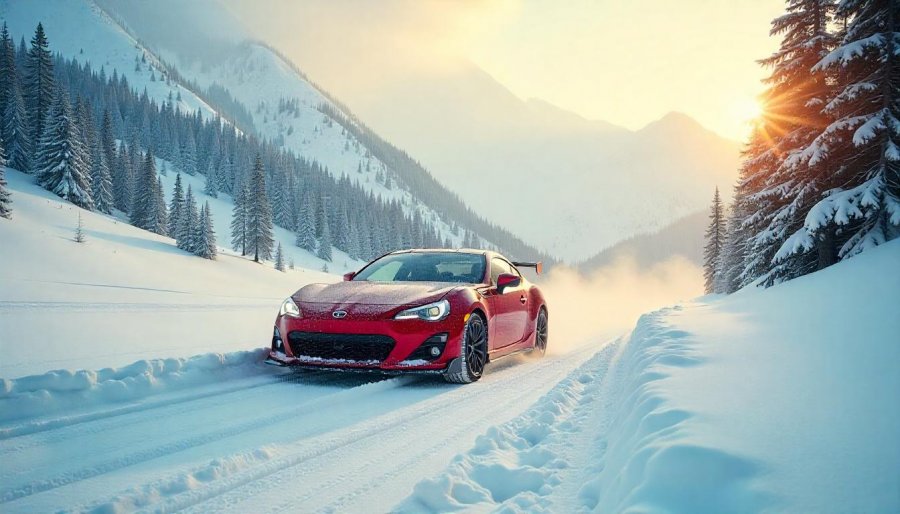
How Winter Tires Improve Grip and Control on Icy and Snowy Roads
Winter tires are engineered to perform exceptionally well in cold, icy, and snowy conditions through a combination of specialized rubber compounds and innovative tread patterns. Unlike all-season tires, which tend to harden and lose grip when temperatures drop below freezing, winter tires maintain their softness and flexibility even in sub-zero temperatures. This pliability allows the rubber to better conform to uneven and slippery surfaces, creating more contact with the road and significantly enhancing traction.
The tread design of winter tires is a key element of their superior performance. They feature deeper grooves and a higher density of biting edges compared to their all-season counterparts. These grooves serve to channel slush, snow, and water away from the contact patch, reducing the risk of hydroplaning and ensuring consistent grip on wet or icy surfaces. The biting edges act like tiny hooks, gripping into ice and packed snow, providing added stability and control. This thoughtful combination of tread depth and pattern ensures winter tires stay engaged with the road, even under the harshest conditions.
A crucial factor behind their effectiveness is the rubber compound used in winter tires. When temperatures plummet, the rubber in regular tires stiffens, losing its ability to grip the road effectively. Winter tires incorporate unique formulations with silica and other materials designed to resist this hardening. These compounds remain pliable in freezing weather, allowing the tires to mold around irregularities and icy patches. The result is a high level of contact and grip, which translates into shorter braking distances and more predictable handling, even on the coldest, most treacherous roads.
This design translates into tangible safety benefits. Tests consistently show that winter tires can reduce braking distances by up to 30% on icy surfaces compared to all-season tires. This reduction can be critical in emergency situations, providing more time and space to stop safely. Better traction also enhances steering responsiveness, making it easier to navigate curves and maintain control during sudden maneuvers. In essence, winter tires turn what could be dangerous, unpredictable conditions into more manageable driving experiences.
Ensure Safe Winter Driving with the Right Tire Choice, published on Top Shelf Articles by Nina Carter, examines this idea further.
Beyond icy roads, winter tires excel in snow-covered terrains. Their deeper treads and biting edges enable them to cut through snow and reach the more stable pavement beneath. This capability improves acceleration, enhances cornering, and shortens stopping distances in snowy conditions. Additionally, their performance in slush and wet environments helps prevent hydroplaning and maintain grip when roads are wet and slick. The combination of tread design and specialized rubber formulation ensures a reliable, consistent grip across diverse winter scenarios, making winter tires a versatile safety feature.
Ongoing technological innovations continue to boost winter tire performance further. Modern formulations now include silica and other advanced materials that enhance flexibility at extremely low temperatures, ensuring the tires stay grip-ready throughout the season. Micro-pore structures within the tread help evacuate snow and slush more efficiently, maintaining contact with the road even in heavy snowfall. These improvements mean that contemporary winter tires are more durable, more reliable, and capable of maintaining their grip over multiple seasons. Such advancements reinforce their role as an essential safety investment for winter driving.
Choosing the right winter tires involves understanding how these technological features translate into real-world benefits. Their ability to stay flexible and maintain contact in freezing conditions directly impacts safety—shortening stopping distances, improving steering, and reducing skidding. These qualities are especially vital when roads are icy and unpredictable, turning potential hazards into manageable challenges. As tire technology continues to evolve, winter tires become even more capable of delivering dependable performance, giving drivers confidence and peace of mind during the coldest months. Their design and materials are purpose-built to keep you safer, making them a critical component of winter driving safety.
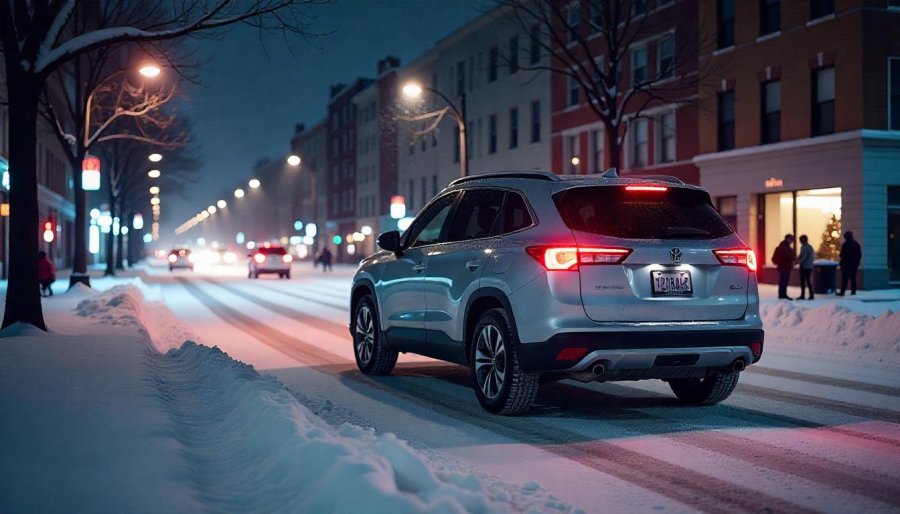
The Proven Effectiveness of Winter Tires Backed by Research and Real-World Data
Recent studies and independent tests consistently show that winter tires offer a clear safety advantage during cold months. When roads turn icy or snow-covered, vehicles equipped with dedicated winter tires perform noticeably better than those with all-season or summer tires. Controlled experiments reveal that winter tires can reduce braking distances on ice by up to 30%, making a significant difference in emergency situations. Shorter stopping distances give drivers more time to react, helping prevent accidents and collisions that might occur with less capable tires.
In real-world driving, the benefits of winter tires become even more evident. Drivers report feeling more confident navigating slippery conditions, knowing their tires are designed to grip icy and snowy surfaces. This improved traction isn’t just a comfort; it’s a critical safety factor that can mean the difference between maintaining control or skidding out of control. For instance, during heavy snowfall or sudden icy patches, winter tires help drivers respond swiftly and accurately, avoiding hazards that could otherwise lead to accidents.
Comparing summer, all-season, and winter tires highlights their fundamental differences. Summer tires, optimized for warm weather, stiffen and lose grip when temperatures drop, making them unsafe for winter conditions. All-season tires attempt a middle ground, but their performance on ice and snow often falls short. Winter tires, crafted specifically for cold, icy surfaces, remain pliable and maintain superior contact with the road. This adaptability results in shorter braking distances, better steering response, and enhanced overall control—key factors for safe winter driving.
Technological advancements continue to enhance winter tire effectiveness. Modern formulations incorporate silica and other materials that resist hardening in freezing temperatures, ensuring the tires stay flexible and grip-ready. Micro-pore tread structures and deeper grooves help evacuate snow, slush, and water more efficiently, reducing hydroplaning and maintaining contact in challenging conditions. These innovations mean winter tires not only perform better but last longer, providing reliable performance season after season.
The impact of these technological improvements is backed by extensive testing. Many brands now conduct rigorous winter performance tests, simulating the harshest conditions drivers are likely to face. These tests confirm that well-designed winter tires outperform all-season options consistently, especially in stopping and cornering in snow and ice. The data reinforces that investing in dedicated winter tires isn’t just a matter of comfort—it’s a proven safety measure with tangible benefits.
For drivers in regions prone to severe winter weather, the evidence overwhelmingly supports switching to winter tires. The ability to stop faster, steer more precisely, and keep control on icy roads greatly reduces the likelihood of accidents. While the upfront cost might seem higher, the potential savings from avoiding vehicle damage, insurance claims, and injuries make winter tires a smart investment. Their proven effectiveness in real-world scenarios translates into safer journeys and peace of mind.
Choosing the right winter tires involves understanding these performance differences and relying on current research. Modern testing results and driver feedback confirm that winter tires deliver consistent, dependable grip where it counts most. They turn potentially dangerous winter conditions into manageable, safer drives. As tire technology continues to evolve, winter tires become even more capable, reinforcing their role as an essential part of winter vehicle safety.
In sum, current research and real-world data leave little doubt: winter tires significantly improve vehicle grip and safety in icy, cold conditions. Their specialized design and advanced materials ensure shorter braking distances, better handling, and greater control when roads are at their most treacherous. Drivers who prioritize safety and want peace of mind during winter should consider these findings carefully. Investing in quality winter tires isn’t just about comfort—it’s a proven way to stay safer and more confident on winter roads.