Transforming a Toronto yard into a stunning outdoor retreat is about more than aesthetics—it’s a delicate balance of beauty, sustainability, and personal vision. How can homeowners create resilient, eco-friendly spaces that withstand Toronto’s unpredictable weather while reflecting their lifestyles? This guide explores the thoughtful process behind landscape design, emphasizing native plants, weather-resistant materials, and eco-conscious practices that ensure durability and ecological harmony. It reveals how clever planning—dividing spaces into functional zones, integrating water management solutions, and addressing site-specific challenges—can turn obstacles into opportunities for creativity. Beyond mere visual appeal, these outdoor spaces become personal sanctuaries for relaxation, social connection, and daily renewal. As technology advances and environmental considerations grow, the future of Toronto landscapes promises smarter, more sustainable design solutions that not only elevate homes but also foster a deeper relationship with nature. Are you ready to transform your yard into a lifelong outdoor haven?
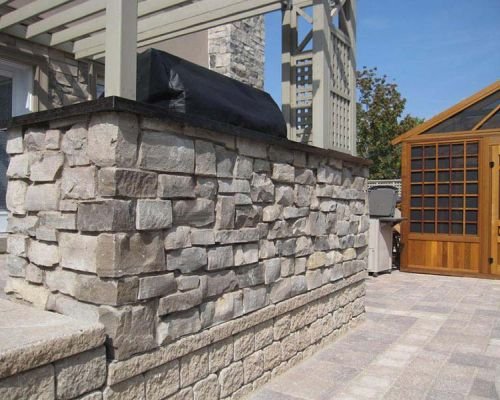
Transforming Toronto Yards into Personal Outdoor Sanctuaries
Transforming a Toronto yard into a beautiful outdoor retreat goes beyond planting a few flowers or laying down a patio. It’s a thoughtful process that balances visual appeal with sustainability and the homeowner’s personal style. Given Toronto’s diverse climate—hot summers, cold winters, and unpredictable weather—creating a space that’s both attractive and resilient requires careful planning. The goal is to craft an environment that not only looks good but also endures seasonal extremes.
Designing these outdoor spaces involves selecting the right plants and materials that can handle Toronto’s weather fluctuations. Native plants are often the best choice since they’re already adapted to local conditions. They require less water and maintenance, support local ecosystems, and help keep ongoing costs manageable. Incorporating eco-friendly practices, like stormwater management and healthy soil techniques, ensures the landscape remains durable and environmentally responsible over time.
Understanding what homeowners want from their outdoor spaces is key. Some envision a peaceful haven to unwind, while others prefer a lively area for entertaining friends. Achieving a balance between these goals starts with clear communication and shared vision from the beginning. When everyone’s expectations align, the final result feels personalized and truly reflective of the homeowner’s lifestyle.
Toronto’s weather challenges—cold snaps, heavy rains, and summer heat—must also shape the design approach. Protecting delicate plants with shade structures or windbreaks, and choosing durable materials, helps extend the usability of the space year-round. Thoughtful placement of these features ensures the yard remains both beautiful and practical, regardless of seasonal shifts.
Site-specific factors like poor soil, limited space, or underground utilities can complicate transformation. Creative solutions, such as soil improvements or compact, high-impact features, turn potential obstacles into opportunities for innovation. Recognizing these realities early on allows for flexible planning that keeps projects on track and aligned with the homeowner’s vision.
Ultimately, transforming a Toronto yard into a stunning outdoor retreat is about more than aesthetics—it’s about creating a space that enhances daily life. When designed thoughtfully, these landscapes become personal sanctuaries, supporting relaxation, social connection, and a stronger bond with nature. The right balance of beauty, sustainability, and functionality turns an ordinary yard into a lifelong outdoor sanctuary.
Core Design Principles for Sustainable Toronto Outdoor Retreats
Creating outdoor retreats in Toronto relies on a handful of core design principles that blend beauty, practicality, and sustainability seamlessly. The first step is layout planning—dividing the yard into distinct zones for relaxing, entertaining, gardening, or play, with smooth transitions that invite movement and exploration. Thoughtfully placed pathways, focal points like fire pits or water features, and inviting furniture anchor these zones, making the space feel cohesive and welcoming.
Native plants and eco-friendly materials are essential components of a sustainable landscape. Native species are naturally suited to Toronto’s climate, requiring less water, fertilizers, and pesticides, which reduces environmental impact and ongoing costs. Using permeable surfaces like gravel or permeable pavers helps manage stormwater effectively, allowing rain to soak into the ground and minimizing runoff and erosion. Combining these elements creates a vibrant, eco-conscious landscape that supports local ecosystems while maintaining visual appeal.
Weather resilience is another key principle. Toronto’s changing climate demands features that can withstand freezing winters and hot summers. Durable, weather-resistant materials for patios, furniture, and structures extend the lifespan of outdoor features. Incorporating shade structures, windbreaks, and raised beds not only protects sensitive plants but also enhances comfort, ensuring the yard remains functional year-round. Proper placement of these features allows homeowners to enjoy their outdoor retreat regardless of seasonal shifts.
Balancing aesthetics with functionality defines successful design. Adding features like fire pits, sculptures, or water elements introduces personality and visual interest without overwhelming the space. Effective lighting enhances safety and creates ambiance, making it possible to enjoy the yard after sunset. When these elements are thoughtfully integrated, they produce a harmonious environment that’s both beautiful and practical.
Sustainability is woven into every decision, from selecting native plants to choosing eco-friendly materials. Techniques like rainwater harvesting and drip irrigation support water conservation efforts, while durable, low-maintenance materials ensure longevity and reduce upkeep. Designing with resilience and ease of maintenance in mind helps landscapes stay attractive over time, aligning aesthetic goals with ecological responsibility.
Understanding homeowners’ lifestyles shapes the entire approach. Early engagement reveals priorities—whether it’s a lush garden, sleek modern patio, or family-friendly yard—and ensures the design reflects their needs. Incorporating personal preferences into the layout and features creates an outdoor space that feels authentic and functional, elevating everyday life and making the yard a true extension of the home.
When these principles come together, they form the foundation of outdoor retreats in Toronto that are stunning, sustainable, and tailored to each homeowner. This balanced approach guarantees that every project not only looks great but also withstands weather, time, and changing needs, turning outdoor spaces into lasting sanctuaries.
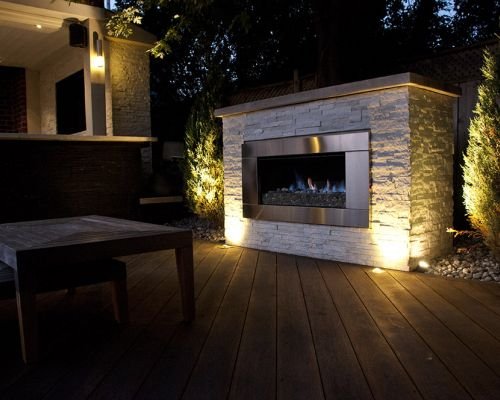
Overcoming Obstacles and Conflicts in Landscape Transformation
Designing outdoor retreats in Toronto often involves navigating a web of conflicting priorities that can challenge even the most seasoned landscapers. One common hurdle is balancing aesthetic ambitions with environmental responsibility. Homeowners may dream of lush gardens, elaborate water features, or expansive decks, but these elements can sometimes clash with sustainable practices. For instance, large structures might look impressive but require high maintenance or use materials that aren’t eco-friendly, creating tension between visual appeal and environmental impact.
Toronto’s unpredictable weather adds another layer of complexity to the process. Cold snaps, heavy rains, and heatwaves can cause unexpected delays or force last-minute adjustments. These conditions also influence plant choices—species that thrive in one season may struggle in another—demanding flexibility and creative problem-solving. Adapting plans to suit changing weather patterns ensures the final landscape remains resilient and functional, even when Mother Nature throws a curveball.
Site-specific issues often turn into obstacles that require innovative solutions. Poor soil quality, limited space, or underground utilities can restrict design options and force compromises. Small yards, in particular, demand clever use of space, such as soil improvements or multi-purpose features, to maximize usability without overcrowding. Recognizing these constraints early helps prevent frustrations and keeps projects moving forward smoothly, transforming potential setbacks into opportunities for creativity.
Conflicting visions between clients and designers can slow progress and complicate decision-making. Some homeowners prioritize bold statement pieces, while others focus on harmony with nature and sustainability. These differing priorities often lead to disagreements over material choices or design elements. Clear communication from the outset, along with a willingness to find compromises, is essential to align expectations and maintain momentum throughout the project.
Budget constraints add yet another layer of challenge. High-end features like custom water installations or exotic plants often come with hefty price tags, forcing homeowners to weigh their aesthetic desires against practical affordability. This balancing act requires transparency and early planning to set realistic expectations. When budgets are managed carefully, it’s possible to craft outdoor retreats that meet both the visual and financial goals, ensuring satisfaction without sacrificing quality.
Enhancing Daily Life Through Thoughtfully Designed Outdoor Spaces
A well-designed outdoor space does more than just add visual appeal; it fundamentally shapes how homeowners in Toronto experience their daily lives. Instead of simply being a yard, it becomes an extension of the home—a place where mornings can start peacefully with a coffee on a cozy patio, and evenings wind down around a fire pit with friends. When thoughtfully crafted, these outdoor retreats invite residents to spend more time outside, embracing the fresh air and reconnecting with nature without leaving home.
A carefully planned landscape also supports both physical and mental well-being. A tranquil outdoor environment provides a refuge from city stresses, helping to boost mood and reduce anxiety. Simple activities like gardening, outdoor yoga, or even reading in a shaded corner transform routine moments into restorative experiences. Features such as native plants and low-maintenance systems make upkeep easier, freeing up time to enjoy the space rather than maintain it.
Connecting with nature isn’t just about aesthetics—it’s an educational and inspiring experience. Native plants attract local pollinators and birds, turning a backyard into a lively mini-ecosystem. Watching bees gather nectar or birds nesting in trees fosters a sense of harmony and responsibility toward the environment. These interactions create a living classroom, encouraging families and children to develop a deeper appreciation for the natural world right outside their door.
Outdoor spaces also enhance social life, transforming yards into welcoming gathering spots. Inviting seating areas, soft lighting, and focal features like water elements make hosting friends or family more enjoyable. Evening barbecues, outdoor dinners, or casual chats around the fire become regular parts of life, strengthening bonds and building community. These moments of connection are amplified by a landscape designed to foster comfort, beauty, and usability.
Beyond everyday convenience, a well-designed outdoor retreat adds long-term value to a home. It boosts curb appeal and can attract future buyers, but its true worth lies in how it elevates daily happiness. An inviting, functional yard becomes a personal sanctuary—a space where relaxation, socialization, and outdoor enjoyment blend seamlessly. When designed with care, it transforms ordinary routines into enriching experiences that support a balanced, joyful lifestyle.
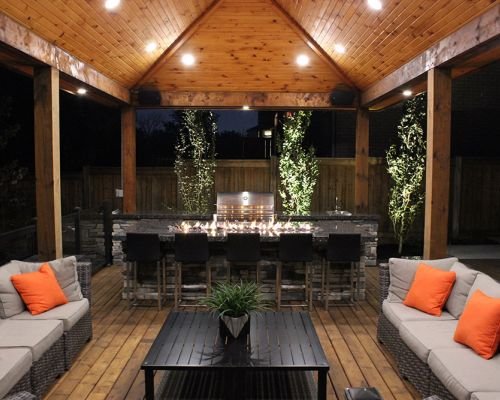
Shaping the Future of Sustainable and Resilient Toronto Landscapes
As Toronto’s landscape continues to evolve, so too does the approach to creating outdoor retreats that are both beautiful and sustainable. The shift toward climate-resilient plants, water-saving systems, and eco-friendly materials reflects a broader awareness of environmental responsibility. Designers are increasingly adopting holistic strategies that balance visual appeal with ecological impact, ensuring that outdoor spaces can withstand seasonal extremes while contributing positively to the city’s green infrastructure. This integrated mindset promises landscapes that are not only stunning but also resilient and functional over time.
Advancements in technology are set to reshape outdoor design even further. Automated irrigation, energy-efficient lighting, and weather-responsive features will simplify maintenance and reduce waste, making sustainable landscaping more accessible and practical for homeowners. These innovations support eco-conscious choices, encouraging residents to incorporate smarter, more efficient systems that align with broader environmental goals. As technology becomes more integrated into landscape design, outdoor retreats will evolve into smarter, more adaptable environments that require less effort and deliver ongoing benefits.
Native plants and sustainable materials will remain at the forefront of landscape choices. Their natural compatibility with Toronto’s climate minimizes water use, reduces chemical inputs, and enhances resilience against weather fluctuations. Supporting local biodiversity and easing ongoing upkeep, these choices help create landscapes that are both functional and visually appealing. As awareness grows, more homeowners and designers will prioritize eco-friendly options, making sustainable landscaping a standard practice rather than an exception, ensuring long-term harmony with nature.
Green infrastructure elements like rain gardens, permeable pavements, and green roofs are transforming urban landscapes into resilient ecosystems. These features tackle citywide challenges such as flooding and heat islands while offering individual benefits like stormwater management and energy efficiency. As their adoption expands, Toronto’s outdoor spaces will become vital components of a healthier, more sustainable city—spaces that serve both personal and community needs, fostering a deeper connection between people and the environment.
Looking ahead, collaboration across disciplines—blending landscape architecture, ecology, and technology—will drive innovative designs that push conventional boundaries. Homeowners will become more active partners in maintaining and adapting their outdoor spaces, fostering a stronger sense of environmental stewardship. This future points toward outdoor retreats that are not only visually captivating but also resilient, eco-friendly, and deeply integrated into Toronto’s sustainable urban fabric, transforming yards into enduring sanctuaries that enhance both daily life and the city’s ecological health.