




In a world increasingly dominated by screens and digital interactions, could the simple act of gardening together unlock deeper emotional bonds and foster healing? This compelling exploration reveals that sharing the physical, sensory-rich experience of tending a garden—planting seeds, watering, nurturing life—does more than produce beauty; it creates authentic connections rooted in cooperation and trust. As participants face common challenges like pests or weather setbacks, their patience, empathy, and communication grow stronger, mirroring the development of resilient relationships beyond the garden. Gardening serves as a calming, meditative activity that reduces stress and cultivates mindfulness, offering a practical pathway to emotional well-being. Could these shared moments of growth and care transform not only individual lives but also community bonds? With its universal accessibility and profound benefits, gardening presents a powerful, natural antidote to modern disconnection—reminding us that nurturing the earth can also nurture our hearts.
Reconnecting Through Nature: The Power of Gardening in a Digital Age
In today’s fast-paced digital world, genuine human connection can often feel more distant than ever. We spend hours scrolling through screens, exchanging messages, and chasing notifications, which can leave us feeling isolated even when we’re technically connected. Amid this digital noise, many are turning back to something more tangible and grounding: nature. Gardening, in particular, offers a simple yet powerful way to slow down, breathe, and reconnect with others in a meaningful way.
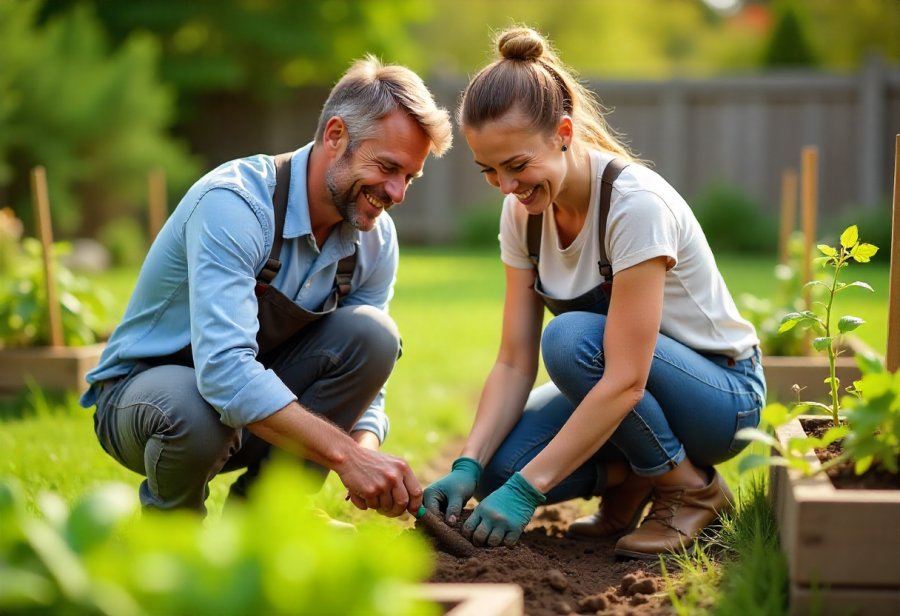
At its core, gardening isn’t just about growing plants; it’s about sharing a quiet, cooperative act that fosters trust and patience. When people work side by side—watering, planting, or tending to a garden—they create moments of genuine connection rooted in cooperation. These shared efforts aren’t just about producing beauty or food; they nurture emotional bonds that grow stronger with time and care. In an era where fleeting digital interactions are the norm, tending a garden together provides a lasting, heartfelt way to bond.
What makes gardening especially effective in building relationships is its sensory richness. Feeling soil between your fingers, smelling blooming flowers, hearing leaves rustle—these physical experiences create authentic moments of presence. Such sensory engagement encourages open conversations and mindfulness, helping relationships deepen naturally. Working through common challenges like pests or weather setbacks together teaches resilience, patience, and empathy—qualities that strengthen bonds beyond the garden’s borders.
Throughout history, communal gardening has served as a social glue, bringing people together through shared effort and support. From ancient civilizations to modern community plots, green spaces have been gathering places for connection. Today, urban gardens and shared community spaces continue this tradition, offering a refuge for people craving human contact amidst bustling city life. These spaces remind us that caring for the earth can be a powerful act of healing that also heals relationships.
In a world increasingly driven by screens, gardening offers a restorative pause. It’s a chance to engage physically with nature, fostering a sense of calm and purpose. When shared with others, these moments of tending and nurturing become opportunities for authentic connection—breaking down barriers and nurturing understanding. Gardening, therefore, becomes more than just a pastime; it’s a pathway to emotional healing and deeper human bonds.
Building Bonds and Boosting Well-Being with Shared Gardening
Shared gardening experiences do more than pass the time; they foster genuine psychological and emotional benefits that can strengthen bonds and enhance overall well-being. When people work together to plant, water, and tend a garden, they engage in activities that build trust and cooperation. This collective effort makes each person’s contribution feel meaningful, reinforcing a sense of partnership and shared purpose. Over time, facing common challenges like pests or unpredictable weather encourages empathy and patience—traits that help relationships grow more resilient.
Gardening creates a calming, meditative environment that reduces stress and sharpens mental clarity. The act of nurturing plants, watching them flourish, and troubleshooting problems together cultivates empathy and patience, qualities that naturally extend beyond the garden. Physical activity outdoors also elevates mood and alleviates anxiety, making shared gardening a powerful tool for emotional health. The combination of physical movement, fresh air, and sunlight fosters a sense of vitality that benefits both individuals and their connections.
A key element of gardening’s emotional impact is the environment it cultivates for open communication. As people work side by side, conversations flow more easily. Sharing ideas, asking for advice, or simply exchanging stories during these moments encourages vulnerability and trust. When faced with setbacks or triumphs, these shared experiences deepen understanding and emotional intimacy, laying a foundation for stronger bonds that persist outside the garden.
The act of tending plants together also promotes non-verbal communication through simple gestures—exchanging smiles while watering or offering a hand to support a broken tool. These small acts of kindness reinforce a sense of teamwork and shared responsibility, creating a quiet language of care. Such gestures often speak louder than words, strengthening trust and empathy in subtle but powerful ways.
Working in a garden mirrors the process of relationship growth itself. Just as plants need time, patience, and consistent care to thrive, so do human bonds. Gardening becomes a living metaphor for nurturing trust and resilience. It reminds us that meaningful connections require ongoing effort, attentiveness, and compassion—values that are reinforced through shared acts of care and growth.
In essence, shared gardening experiences serve as a natural catalyst for emotional bonding. They foster a sense of community, patience, and mutual understanding that extends well beyond the garden beds. By engaging in this nurturing activity, people not only cultivate plants but also tend to their relationships, creating a fertile ground for lasting bonds and emotional healing.
Cultivating Trust and Empathy: How Gardening Fosters Emotional Connection
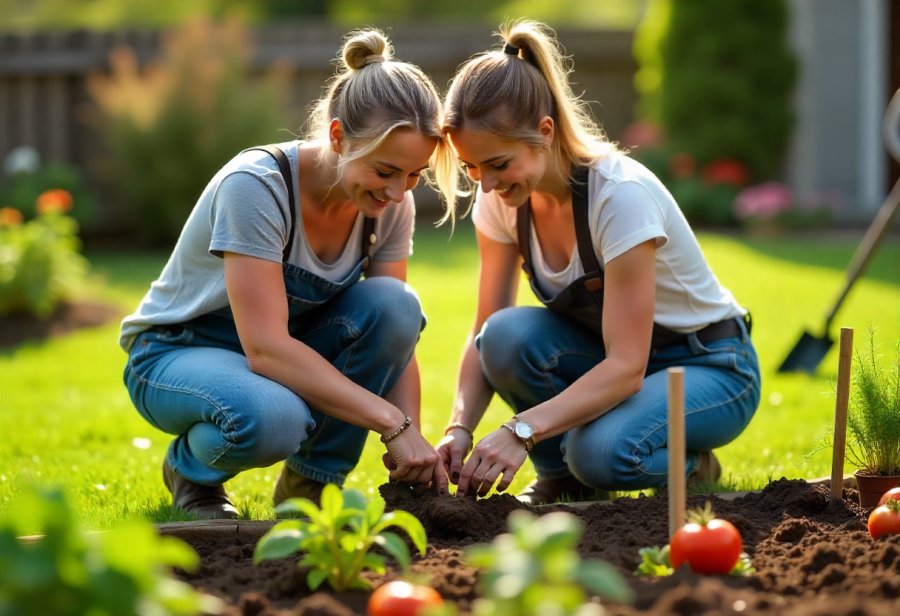
Working together in a garden naturally builds emotional connections because it requires cooperation, communication, and shared responsibility. When people plant seeds, water the plants, or weed the beds, they learn to work as a team, which fosters trust and understanding. These small acts of joint effort create a sense of partnership—each person depends on the other’s contributions, making the experience more meaningful. Over time, facing challenges like pests or unpredictable weather together deepens empathy and patience, strengthening bonds beyond the garden itself.
Gardening tasks demand collaboration, which makes them a powerful way to develop trust. Whether carefully planting seedlings or adjusting watering routines, everyone plays a role that influences the overall success. As they navigate these responsibilities side-by-side, participants improve their communication and learn to support each other more effectively. This shared problem-solving fosters openness and mutual reliance, laying a foundation of trust that extends into other aspects of their relationships.
Shared successes, like a bountiful harvest, or setbacks, such as a failed crop, act as pivotal moments that deepen emotional bonds. Overcoming obstacles together teaches patience and compassion, reinforcing that progress often depends on teamwork. Celebrating small victories or offering comfort during setbacks creates moments of shared achievement that strengthen understanding and empathy. These experiences reveal each other’s strengths and vulnerabilities, making the connection more authentic and resilient.
The act of nurturing life side-by-side also encourages non-verbal communication. Simple gestures—exchanging smiles while watering or helping each other with tools—convey trust and support effortlessly. These small acts of kindness reinforce a sense of teamwork and shared purpose, creating a quiet language of care that deepens bonds without words. It’s in these subtle moments that the true strength of the relationship often emerges, rooted in mutual support and understanding.
Tending a garden together mirrors the growth of the relationship itself. Like plants, bonds require patience, consistent effort, and attentive care to flourish. Gardening becomes a living metaphor for nurturing trust and resilience, reminding us that meaningful connections develop gradually and need ongoing attention. As people invest time and care into their shared efforts, they foster a sense of mutual growth that extends beyond the garden, enriching their emotional landscape and reinforcing the power of collaboration.
Transforming Relationships and Mental Health with Practical Gardening Activities
Gardening isn’t just a calming activity—it’s a practical way to strengthen relationships and improve mental health in everyday life. When people work together on planting, watering, or caring for a garden, they naturally develop better communication and teamwork skills. These shared tasks foster a sense of partnership, where each contribution feels meaningful, helping bonds grow stronger over time. Plus, the physical act of gardening helps reduce stress and lift moods, making it a simple yet effective way to reconnect with loved ones and oneself.
The physical nature of gardening offers gentle exercise that benefits overall well-being. Digging, planting, and watering engage the body in calming movement, releasing endorphins that combat anxiety and depression. Spending time outdoors exposes us to sunlight and fresh air—both proven to elevate mood and mental clarity. When done together, these activities create a shared sense of achievement, making relationships feel more rewarding. It’s a low-cost routine that nurtures both body and mind.
Gardening also creates natural opportunities for open dialogue and emotional sharing. As people tend to their plants side by side, conversations often flow more easily—stories, feelings, or concerns find a safe space amid the quiet focus of the activity. Facing common challenges like pests or unpredictable weather requires teamwork and patience, which can deepen trust and understanding. These moments of shared problem-solving serve as small but meaningful steps toward building a more resilient relationship beyond the garden.
Moreover, tending a garden together cultivates qualities like patience and responsibility that translate into daily life. Watching a seed grow into a thriving plant takes time and consistent care, reminding us that growth is a gradual process. Celebrating these successes together reinforces a sense of accomplishment and connection. Caring for living things—whether plants or relationships—encourages attentiveness and compassion, fostering a shared purpose that strengthens bonds.
Incorporating gardening into regular routines nurtures a sense of community and belonging. Whether it’s a family project or a neighborhood effort, working side by side in green spaces builds social bonds and collective resilience. During stressful times, these shared experiences provide a safe outlet for emotional expression and mutual support. As we tend to life together, we reinforce the idea that caring for others is just as vital as caring for the garden itself.
The benefits of gardening extend beyond the physical act. It encourages mindfulness, helping individuals stay present and reduce mental clutter. This focused attention creates an environment where emotional vulnerabilities can surface naturally, fostering trust and deeper understanding. Over time, these shared moments of caring and growth help cultivate resilience, patience, and empathy—traits that nourish both individuals and their relationships.
Finally, gardening offers a simple, accessible way to integrate healing into daily life. Whether in a backyard, balcony, or community plot, it provides a tangible activity that promotes mental clarity and emotional well-being. As more people recognize its benefits, we may see increased programs that use gardening as a tool for therapy and social connection. These efforts can transform green spaces into havens of recovery and relationship-building, proving that nurturing plants can also nurture the human heart.
Growing Together: Embracing Gardening as a Path to Healing and Future Connections
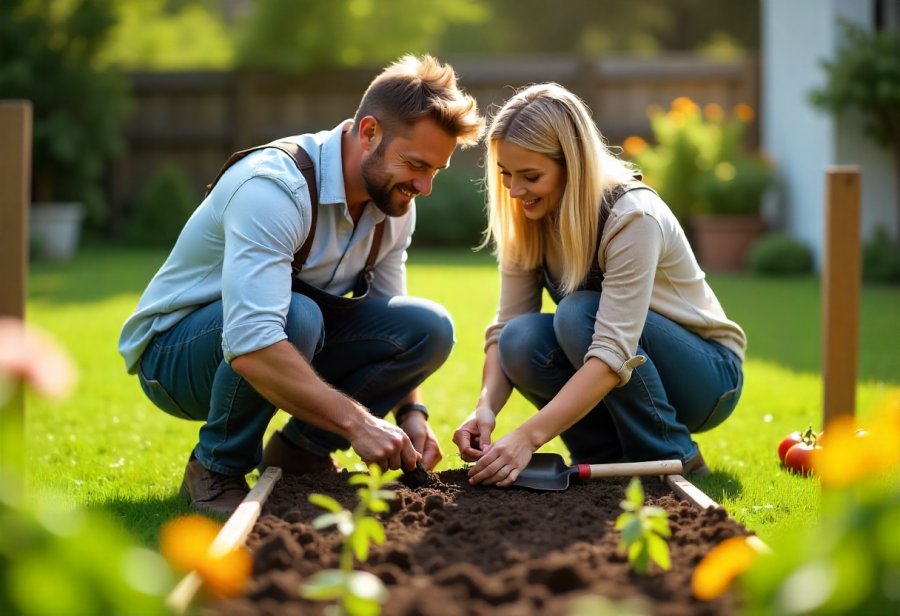
Gardening together offers more than just a calming outdoor activity; it’s a powerful way to strengthen emotional bonds and support mental well-being. The shared effort of caring for plants fosters trust, patience, and open communication, laying a foundation that can deepen relationships over time. As people work side by side—planting, watering, and troubleshooting—they develop a sense of partnership rooted in mutual support and understanding, which often extends beyond the garden into everyday life.
The physical act of gardening provides a natural refuge for stress relief and mindfulness. Engaging with soil, feeling the sun, and watching life grow creates a sense of calm and purpose. When these moments are shared, they become even more meaningful, offering opportunities for genuine connection and emotional healing. Gardening becomes a quiet ritual of care, not only for the plants but also for the people involved, nurturing resilience and compassion along the way.
Looking ahead, the potential of gardening as a healing activity continues to expand. Its accessibility makes it suitable for diverse settings—backyards, balconies, community plots—and its benefits are universally relevant. Increasing awareness about its positive impact may lead to more programs integrating gardening into therapy, education, and community development. These initiatives can foster teamwork, patience, and empathy on a larger scale, creating resilient social bonds in urban and rural environments alike.
Further exploration of gardening’s therapeutic power could transform mental health support through nature-based approaches. As evidence mounts about the role of green spaces in reducing stress and loneliness, incorporating shared gardening experiences into schools, workplaces, and health services offers a simple yet effective way to promote well-being. These collective acts of nurturing remind us that growth and healing are ongoing processes, rooted in patience, care, and shared effort.
In embracing gardening as a tool for connection, we recognize its profound capacity to nurture both the earth and human relationships. By tending to living things together, we plant seeds of trust, empathy, and resilience that can flourish for years to come. As more communities discover the joys and healing power of shared gardening, we move closer to a future where nature’s gentle touch helps bridge gaps, heal wounds, and foster a deeper sense of belonging in our increasingly disconnected world.