




Underground street racing is more than just a high-speed thrill; it’s a clandestine world built on trust, loyalty, and brotherhood. As racers gather in secret locations, their bonds deepen through shared secrets, technical support, and unwavering support during legal and personal struggles. These communities transform modified cars into symbols of pride and identity, forging lifelong connections amid danger and secrecy. With advances in technology, digital organization, and the rise of electric vehicles, the scene continues to evolve—balancing innovation with the core values of rebellion and camaraderie. Yet, law enforcement’s increasing scrutiny poses ongoing challenges, prompting racers to adapt with coded signals and clandestine meetings. Despite these pressures, the culture persists, driven by unbreakable bonds that transcend speed and risk. The question remains: how will this resilient brotherhood navigate the future’s technological and legal hurdles without losing its rebellious soul?
Unveiling the Hidden World of Underground Street Racing: A Culture of Speed and Rebellion
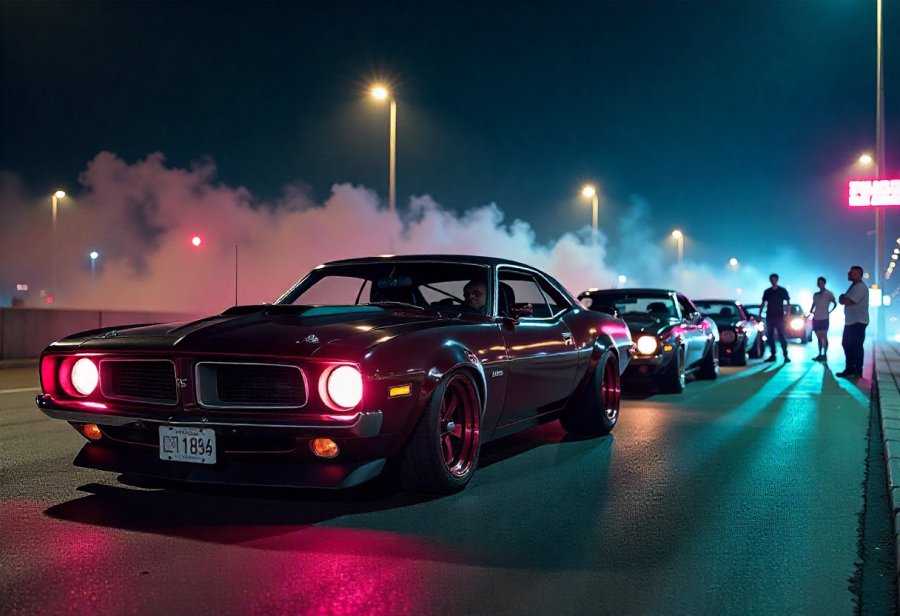
Underground street racing has become a defining aspect of modern urban culture, blending raw adrenaline with a sense of rebellion that resonates with many young drivers. Unlike official track events or professional leagues, this scene thrives in secrecy, often unfolding late at night in quiet backstreets, abandoned industrial zones, or deserted highways. Racers gather in these hidden spots to push their cars—and themselves—to the limit, creating a vibrant environment rooted in community and shared passion.
What makes this underground world so compelling is how deeply it connects to identity and loyalty. For many participants, their cars are more than just machines; they are extensions of themselves, heavily modified to reflect personal style and pride. Beyond the engines and custom paint jobs, the scene fosters a culture built on mutual respect, brotherhood, and unspoken trust. Racers exchange tips, share secret locations, and support each other through the risks, forging bonds that often last a lifetime.
Historically, street racing emerged from a desire among youth to challenge authority and escape the monotony of everyday life. It evolved from informal races on open highways into organized clandestine events, often coordinated through online forums and encrypted messaging. Advances in car technology and digital connectivity have made the scene more global and connected, while still maintaining its rebellious roots. Despite law enforcement crackdowns and safety concerns, the core thrill—speed and adrenaline—remains unchanged.
Locations for these races are carefully chosen for their remoteness and low police presence, such as industrial zones or quiet back roads illuminated only by city lights or flickering street lamps. The underground scene has adapted to increased scrutiny by developing discreet signals, code words, and secret meeting spots. This ongoing cat-and-mouse game keeps the culture resilient, allowing it to evolve while retaining its sense of exclusivity and camaraderie.
Digital tools have further transformed street racing. Many racers now use sophisticated tuning software and encrypted apps to organize meets and fine-tune their cars. This technology enhances performance but also raises the stakes for secrecy, as law enforcement agencies ramp up surveillance. Despite these pressures, the community’s bonds remain strong, driven by shared loyalty and a collective desire to keep the spirit alive.
At its core, underground street racing isn’t just about speed; it’s about belonging. It’s a culture built on trust, loyalty, and brotherhood, where each race is a ritual that cements relationships. The late-night sessions, the secret locations, and the custom cars all serve as symbols of identity and pride. These bonds transcend individual efforts, transforming racing into a shared experience that unites diverse people under a common passion.
Even as technology and legal challenges continue to shape the scene, the essence remains intact. Younger generations bring fresh ideas—like eco-friendly tech and organized events—without losing sight of the core values of loyalty and brotherhood. This resilience ensures underground street racing will adapt and persist, fueled by a community that values speed, trust, and the unbreakable bonds forged in the shadows of the city.
The Brotherhood and Loyalty Driving the Heart of Street Racing
In underground street racing, the bonds that hold crews together go far beyond a shared passion for speed. Trust is the foundation—trust that teammates will watch your back when things get dangerous, trust that they’ll keep your secrets, and trust that everyone is pulling in the same direction. These relationships are built over late nights spent tuning cars, sharing tips, and navigating the risks of their clandestine world. It’s this trust that transforms a group of racers into a tight-knit family.
Loyalty in this scene isn’t handed out lightly; it’s earned through skill, integrity, and consistent support. Once someone proves their reliability and earns respect, they’re embraced for life. Whether helping troubleshoot a technical issue or covering for a teammate during a police raid, members rely on each other without hesitation. This unwavering dedication creates a sense of safety and belonging that’s essential in a world where danger is always lurking.
Crews function more like families, sharing secrets about racing spots, techniques, and car modifications—passing down traditions that reinforce their collective identity. These shared practices are rituals that deepen trust and deepen bonds. When a member faces setbacks, be it legal trouble or car issues, the entire crew steps in. This collective responsibility turns individual efforts into a testament of loyalty, underscoring that their commitment isn’t just about winning races but about protecting each other from external threats.
Night racing rituals further cement these relationships. The darkness and secrecy transform races into shared acts of brotherhood, where trust is tested under high stakes. Knowing someone has your back in these moments isn’t just reassuring—it’s vital. These late-night sessions become more than races; they’re bonding experiences that forge familial ties, with shared adrenaline and risk creating a collective spirit that endures beyond the engines.
Car modifications symbolize more than performance; they’re expressions of loyalty and pride. Custom paint jobs, performance tweaks, and style choices reflect a crew’s identity, and working on these together turns technical support into acts of trust and friendship. Each shared project reinforces their bond, turning machines into symbols of brotherhood and collective effort. Every bolt tightened and every race prepared for becomes part of the ongoing ritual that cements their unity.
At its core, loyalty and brotherhood are the heartbeat of underground street racing. These bonds aren’t just about the thrill of the race—they’re about creating a community that stands resilient amid external pressures. Whether navigating law enforcement crackdowns or sharing the latest tuning secrets, this unbreakable trust keeps the scene alive. It’s a culture rooted in mutual respect, forged in the shadows, and sustained by a collective devotion that defines everything about their high-octane world.
Modern Marvels and Digital Shadows: The Evolving Scene of Street Racing
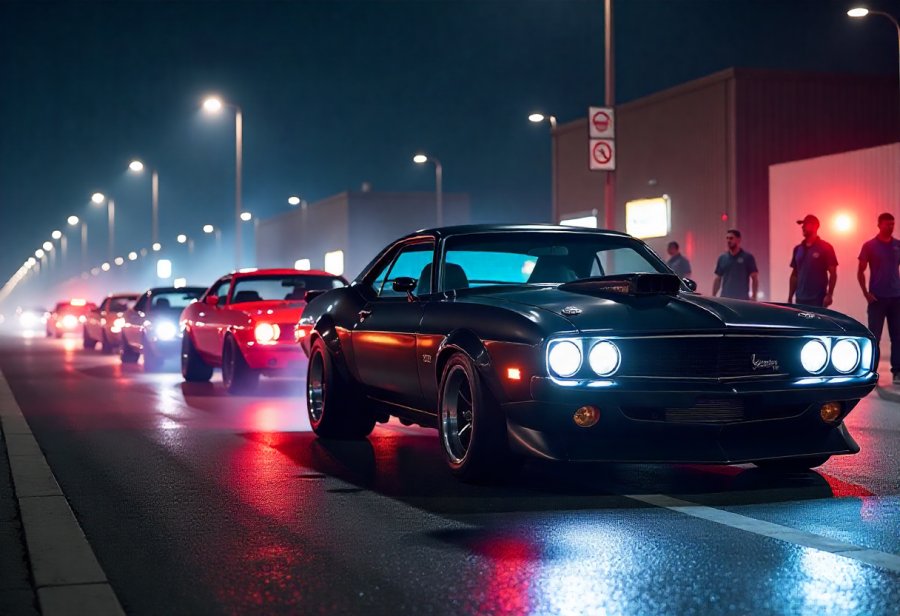
Today, underground street racing is more active and sophisticated than ever before. Modern racers often drive high-performance cars from popular models like Honda Civics, Nissan 240SX, and various tuner brands, all heavily modified to maximize speed and reliability. Thanks to advances in technology, many now incorporate turbochargers, nitrous oxide, and advanced tuning software, giving them a clear edge whether racing spontaneously on quiet streets or in organized meetups. These tweaks aren’t just about power—they’re about pushing the limits of what’s possible in the shadows.
Online forums, encrypted messaging apps, and social media groups have transformed how racers connect and plan their events. This digital shift makes it easier to share tips, organize clandestine races, and coordinate locations. However, it also increases their visibility to law enforcement, prompting racers to become more discreet—using code words, secret spots, and careful planning to stay under the radar. This constant game of cat and mouse keeps the scene evolving, more strategic and organized while still rooted in rebellion.
Despite intensified scrutiny, underground racing remains vibrant. Racers gather in abandoned industrial zones, quiet back roads, and late-night neighborhoods—spots chosen for their low traffic and minimal police presence. These locations often feel like hidden sanctuaries, illuminated by city lights or flickering warehouse signs, adding to the clandestine vibe. Experienced racers know how to keep these spots secret, passing along locations through trusted networks, maintaining a sense of exclusivity that fuels their passion.
Legal risks continue to loom large. Operating on public roads without permits makes these activities illegal, with potential fines, impoundments, or even jail time. Safety concerns are equally pressing, as high speeds and reckless driving can lead to serious accidents involving racers and bystanders. Law enforcement’s increased surveillance and patrols push racers to adapt—racing in more remote areas or using encrypted channels—sustaining their underground culture amid growing pressures.
Technological innovation keeps reshaping the scene. Digital tuning software allows for precise performance adjustments, while electric and hybrid vehicles are gradually entering the underground world, challenging traditional combustion engines. These new techs bring fresh energy and debate about the authenticity of “street racing,” but they also demonstrate how adaptable the culture is. Younger generations blend old-school rebellion with new innovations, ensuring the scene’s evolution without losing its core spirit.
The scene’s resilience lies in its community. Even as authorities tighten their grip, racers rely on their bonds—trust, loyalty, and shared secrets—to survive. They develop new ways to organize, communicate, and race, always finding ways to keep the adrenaline flowing. This camaraderie, built on mutual support and respect, ensures that underground street racing continues to thrive as a rebellious, tight-knit culture—always evolving but never losing its underground soul.
From Principles to Practice: Living the Spirit of Underground Racing
In underground street racing, principles like trust and loyalty aren’t just ideals—they’re actions woven into every aspect of the scene. Before engines roar, crews gather quietly, exchanging subtle signals or shared glances that confirm their readiness and mutual respect. These rituals serve as unspoken affirmations that everyone is part of something bigger than just a race; they remind each member that their efforts contribute to a collective purpose rooted in loyalty.
During a race, communication remains vital. Racers rely on prearranged signals—revving engines, wheel taps, or gestures—to stay coordinated amid chaos. These cues ensure safety and help maintain order when pushing limits on public streets. After the race, the crew doesn’t disperse immediately. Instead, they stay to debrief, exchange advice, and celebrate their shared victories. These moments of camaraderie deepen bonds, transforming individual efforts into collective memories that reinforce loyalty and trust.
Loyalty extends far beyond the track. It’s about knowing your crew will stand by you through legal troubles, technical setbacks, or rivalries. Racers develop a deep understanding that their safety and reputation depend on mutual support. When a teammate faces setbacks—whether a police raid or car malfunction—the entire crew rallies to help. This shared responsibility turns each member’s success and setbacks into a testament to their unbreakable bond.
Car modifications are more than technical upgrades—they’re symbols of loyalty and pride. Custom paint jobs, performance tweaks, and style choices reflect each crew’s identity. Sharing tips and working together to tune and troubleshoot turns technical work into a communal ritual. These shared efforts transform machines into symbols of brotherhood, with each bolt tightened and each race prepared for strengthening the collective identity.
Unwritten rules and traditions underpin these bonds. Respecting secrecy about race locations, signals, and techniques preserves trust within the community. These customs, passed down through generations, embed loyalty into the culture itself. Violating them risks fracturing the community; therefore, adherence is regarded as an act of honor. This shared code maintains cohesion amid external threats and keeps the scene resilient.
At its core, street racing is about more than just speed—it’s about creating a family rooted in trust, loyalty, and mutual support. The late-night sessions, secret locations, and customized cars all serve as symbols of shared identity. These bonds endure beyond individual races, turning a rebellious pursuit into a lifelong community where loyalty is the foundation that sustains the high-octane culture.
Gazing into the Future: Challenges and Innovations Shaping Street Racing
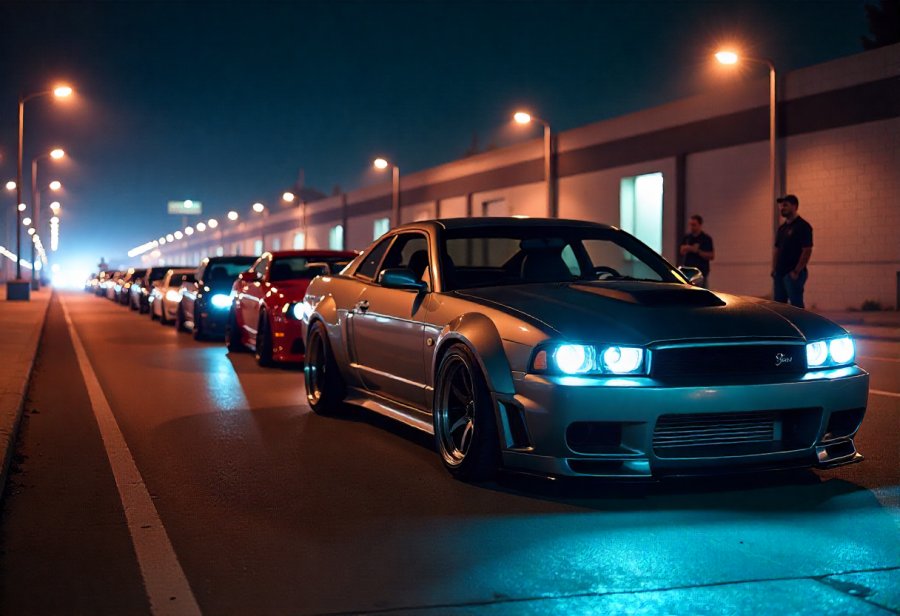
The future of underground street racing is poised for both innovation and new challenges. Advances in technology, such as digital tuning software and electric powertrains, are beginning to reshape what’s possible behind the wheel. These innovations offer more precise performance adjustments and quieter, more efficient engines, injecting fresh energy into the scene. However, they also bring questions about how the culture will adapt as authorities increase surveillance and crack down harder on illegal activities.
Online platforms and encrypted messaging apps continue to evolve as central tools for organizing clandestine races and sharing technical tips. This connectivity helps keep the community vibrant and expanding, but it also makes it easier for law enforcement to monitor and intervene. As a result, racers are becoming more discreet, employing code words, secret locations, and strategic planning to stay ahead of the increasing scrutiny. This ongoing cat-and-mouse game drives the scene to become more organized and strategic while maintaining its rebellious essence.
Electric and hybrid vehicles are gradually finding their way into the underground world, challenging the traditional dominance of combustion engines. Their instant torque and near-silent operation introduce new dynamics, sparking debates about authenticity and the core identity of street racing. For some, these innovations symbolize evolution—embracing new tech to stay relevant. For others, they threaten the raw, unfiltered adrenaline that has long defined their culture, prompting ongoing discussions about what truly constitutes street racing.
Legal and safety issues will continue to influence how the scene unfolds. Increased surveillance and stricter law enforcement efforts push racers toward more remote locations and clandestine planning. Loyalty and brotherhood become even more vital for survival, as trust within the community helps navigate risks and avoid detection. Despite external pressures, the core values of camaraderie, mutual support, and shared passion remain resilient, fueling ongoing adaptation and perseverance.
Looking ahead, some groups are exploring semi-legal racing events that blend adrenaline with safety measures and permits. These efforts aim to preserve the spirit of racing while respecting legal boundaries, creating a bridge between rebellion and responsibility. As newer generations introduce ideas like eco-friendly tech and organized competitions, the scene continues to evolve—yet the unbreakable bonds of trust and loyalty remain its backbone. Underground street racing’s enduring pulse is its ability to adapt without losing its rebellious, brotherhood-driven soul.