




What if the greatest obstacle to learning to swim isn’t the water itself, but the fear of taking that first courageous step? This inspiring guide reveals that swimming is more than a physical skill—it’s a transformational journey that turns anxiety into confidence, safety, and joy at any age. Through gentle, manageable techniques like supported floating, breathing exercises, and small victories, learners can gradually reclaim control over their water fears. The narrative emphasizes patience, consistency, and emotional support as vital ingredients, transforming water from a source of dread into a space of empowerment. With innovative tools, personalized coaching, and an inclusive approach, the future of water confidence is brighter than ever—making the dream of swimming accessible for everyone. Are you ready to confront your fears and discover the freedom that lies just beyond the edge of your comfort zone?
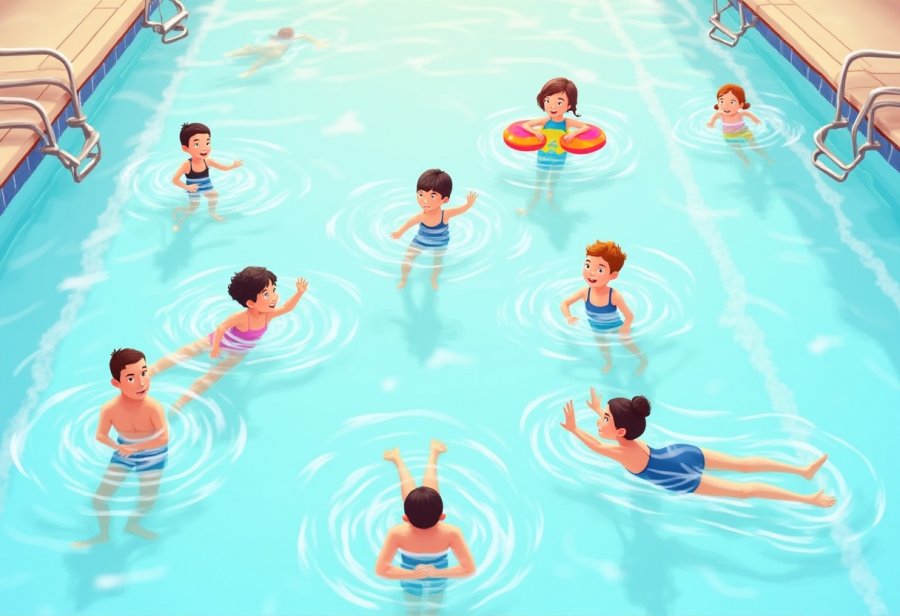
Transform Your Life: Embrace Water Confidence at Any Age
Learning to swim isn’t just about moving through water—it’s a skill that can truly change your life at any age. For many, water can evoke feelings of fear or hesitation rooted in past experiences or instinctual reactions. Overcoming that initial barrier opens up a world of confidence, safety, and enjoyment that extends far beyond the pool. Whether you’re a young adult finally facing water for the first time or someone revisiting a childhood skill, taking that first step can be a powerful turning point.
This journey begins with understanding that water is a supportive element, not something to fear. Building trust in the water starts with simple, manageable activities—sitting at the edge of the pool, splashing gently, or floating supported by a floatation device. These small victories help break down mental barriers and lay the foundation for more advanced skills. It’s about progress, not perfection, and celebrating every step forward, no matter how minor.
Many adults carry fears of drowning or feeling helpless that can linger long into adulthood. Recognizing and gently confronting these fears—through patience, support, and gradual exposure—can transform anxiety into confidence. Visualizing success, practicing deep breathing, and setting realistic goals all play key roles in this process. With time and persistence, water becomes less intimidating and more inviting.
Learning to swim at any age involves more than just physical movements; it’s about shifting perceptions. Changing your mindset from seeing water as dangerous to viewing it as a space for growth and fun is crucial. Small, achievable goals like splashing water on your face or floating supported help reinforce trust and comfort. Support from instructors, friends, or family creates a safe environment where fears can be confronted gradually and confidently.
Progress in water confidence is a journey of patience and persistence. Every small step—whether dipping toes in, floating, or taking a few strokes—builds momentum. Regular practice and positive reinforcement turn moments of doubt into victories. Overcoming water anxiety isn’t about perfection; it’s about showing up, trying again, and celebrating each success.
Learning to swim is a transformative experience that extends well beyond the technical skills. It’s about discovering a new level of self-trust, resilience, and joy. The water, once a source of fear, becomes a place of freedom, safety, and adventure. No matter your age or starting point, the potential to enjoy the water confidently is within reach, waiting for that first brave step.
Master Essential Skills: Foundations for Safe Swimming
Getting started with swimming involves mastering some core skills that build confidence and ensure safety in the water. One of the most fundamental is floating—being able to stay on your back or stomach without sinking. Practicing floating regularly helps you feel more at ease in the water and provides a sense of control, which is crucial when you’re just beginning. As you become more comfortable, floating becomes second nature, laying a strong foundation for more advanced movements.
Alongside floating, learning proper breathing techniques is essential. Breathing calmly and rhythmically—inhale through your mouth when your face is out of the water and exhale steadily underwater—makes swimming feel smoother and less stressful. Developing this pattern allows you to conserve energy and stay relaxed, especially as you start moving through the water with more confidence. Good breathing habits are often the difference between feeling overwhelmed and feeling in control.
Once floating and breathing are familiar, you can begin exploring basic strokes like freestyle and breaststroke. These strokes are straightforward for beginners and serve as building blocks for more complex techniques later on. Focus on coordinating your arm movements with your breathing—this harmony helps develop muscle memory and balance. Using support tools like kickboards or floaties can help you maintain proper body position and support your early efforts, boosting your confidence in the water.
It’s vital to approach water with a positive mindset, seeing it as a safe and supportive environment rather than something to fear. Visualization techniques—such as imagining yourself floating peacefully or taking small, confident steps—can ease anxiety. Breaking your learning into small, achievable goals, like splashing water on your face or sitting at the pool’s edge, helps build trust gradually. Remember, nervousness is normal, and patience is key—progress comes with consistent practice.
Overcoming fears involves shifting perceptions about water from dangerous to manageable. Support from instructors or loved ones plays a big role here. Their reassurance and encouragement help you confront water anxieties step by step, turning initial hesitation into confidence. Each small success—whether floating unsupported or taking a few strokes—reinforces your trust in your abilities and the water itself.
Building confidence as an adult takes time but is entirely within reach. Start with simple activities—breathing exercises, supported floating—and stick with them regularly. Enrolling in beginner classes designed for adults creates a supportive environment where you can learn at your own pace. Celebrate each small victory, and avoid rushing to master every skill immediately. Consistent effort helps your body and mind adapt and grow more comfortable.
Safety remains a top priority throughout your learning process. Always practice in a supervised environment, ideally with a qualified instructor or a supportive friend nearby. Use safety gear like floaties or kickboards if needed, and stay within shallow areas until you feel more confident. Familiarize yourself with basic pool safety rules, such as no running on the deck and understanding depth markers. Taking small, deliberate steps ensures your experience remains safe, positive, and effective.
Progress in water confidence is a journey of patience and persistence. Every small step—dipping toes in, floating, or taking a few strokes—builds momentum. Regular practice, combined with positive reinforcement, turns moments of doubt into victories. Remember, learning to swim isn’t about perfection; it’s about showing up, trying again, and celebrating each success along the way.
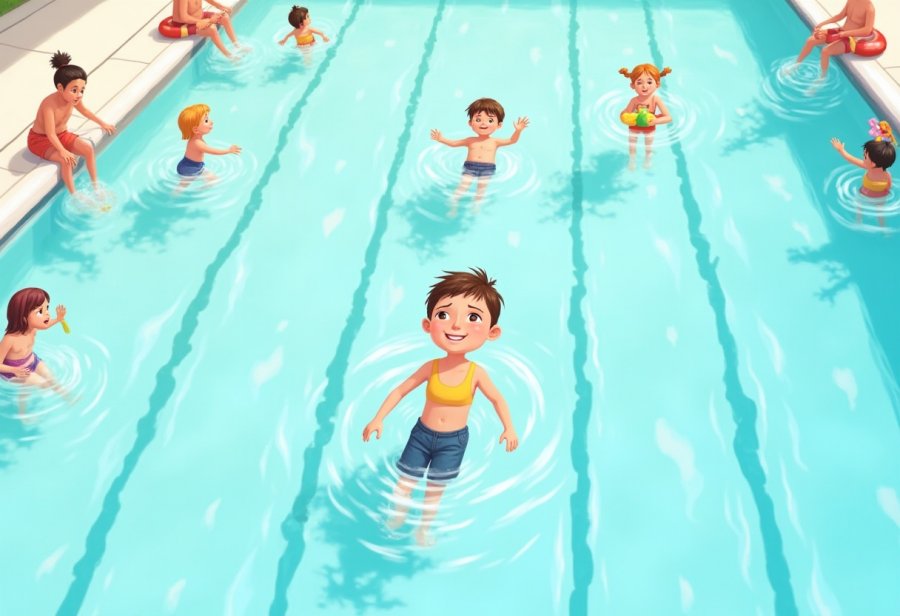
Empowering Your Journey: Strategies and Support Systems
Building confidence in the water relies heavily on effective strategies and a strong support system. Setting small, realistic goals keeps the learning process manageable and prevents overwhelm. Instead of aiming for perfection right away, focus on achievable milestones like dipping toes in or floating supported by a floatation device. Celebrating these tiny victories boosts motivation and reinforces a positive mindset, making each step feel more attainable.
Consistency is key. Regular practice, even in short sessions, helps your body and mind adapt more quickly to water. Having someone supportive nearby—whether an instructor, friend, or family member—can make all the difference. Their encouragement transforms moments of doubt into determination, turning water from a source of anxiety into a space for growth. Knowing you’re not alone provides reassurance and helps build trust in your abilities.
Emotional support plays a crucial role. When instructors or loved ones listen without judgment, it creates a safe environment where fears can be addressed openly. This kind of reassurance helps you confront water-related anxieties at your own pace, rather than feeling pressured to push through them all at once. Positive reinforcement, like praising progress or simply acknowledging effort, helps rebuild trust and confidence in yourself.
Breaking the learning journey into small, manageable steps makes progress feel less daunting. Starting with water familiarization—such as sitting at the pool’s edge or splashing water on your face—gradually builds comfort. Once these basics are natural, you can move on to supported floating and basic strokes, each success reinforcing your confidence. Patience is essential; rushing can lead to frustration and setbacks.
Research shows that many adults experience water anxiety, but with patience and the right support, overcoming these fears is entirely possible. Sharing stories of adults learning later in life highlights how persistence and positive environments facilitate transformation. Celebrating progress, no matter how small, and understanding setbacks as part of the process foster resilience and motivation.
Tailoring approaches to individual needs makes a significant difference. Some respond well to visual aids like videos or diagrams, while others benefit from hands-on guidance. Combining these methods with emotional support creates a comprehensive learning environment that nurtures confidence. Remember, each small step is a building block toward feeling safe and competent in water.
Creating a supportive atmosphere involves more than just instruction—it’s about fostering trust. Encouragement, patience, and understanding from instructors and loved ones help diminish fears and promote a mindset of growth. When learners feel safe and supported, they are more likely to embrace challenges and persist through difficulties, leading to lasting water confidence.
In the end, the journey to water confidence is unique for everyone. The most effective strategies are those rooted in patience, consistency, and emotional reassurance. With the right approach, overcoming water fears becomes not just possible but an empowering experience that opens doors to lifelong enjoyment and safety in the water.
Practical Steps to Water Confidence: Lessons, Safety, and Fun
Implementing effective swimming lessons starts with selecting instructors who understand how to teach adults patiently and adapt to different comfort levels. A skilled instructor will begin by easing learners into the water through simple activities like sitting at the pool’s edge, splashing gently, or floating supported by floatation devices. These small steps help build trust, reduce anxiety, and lay the groundwork for more advanced skills.
Safety is the cornerstone of any successful water confidence program. Ensuring the pool has clear depth markers, accessible rescue equipment, and trained staff creates a secure environment. Always practice with a buddy or instructor nearby, and stick to shallow areas until you feel more confident. Establishing clear rules—like no running on the deck and staying within designated zones—further enhances safety, allowing learners to focus on skill development without unnecessary worry.
Confidence-building activities should be integrated into every session. Starting with breathing exercises, supported floating, or gentle splashing helps ease nerves and fosters a sense of control. Tools like kickboards, floaties, or snorkels support independence and allow learners to experiment safely. Incorporating playful water games or relaxing routines makes each lesson enjoyable, encouraging positive associations with water and reinforcing progress.
Progression must always match individual comfort levels. Begin with water familiarization—like sitting at the edge or splashing water on your face—before moving on to supported floating and basic strokes. As confidence increases, practice small movements such as kicking or arm strokes, gradually reducing support. Patience is key; rushing can lead to frustration. Short, regular sessions help reinforce skills and prevent overwhelm, making the learning process more effective and enjoyable.
Supplementing hands-on instruction with online tutorials or visual aids can accelerate confidence. Watching videos of proper techniques allows learners to practice outside formal classes at their own pace, reinforcing what they’ve learned. Combining these resources with personal coaching creates a comprehensive approach that nurtures trust, competence, and enjoyment.
Celebrating small victories is essential. Whether it’s floating unsupported, taking a few strokes, or simply stepping into the pool confidently, each success boosts motivation. Recognizing progress, no matter how minor, helps maintain momentum and transforms water learning from a challenge into an empowering experience. With consistent effort and support, anyone can develop lifelong water confidence and enjoy the many benefits swimming offers.
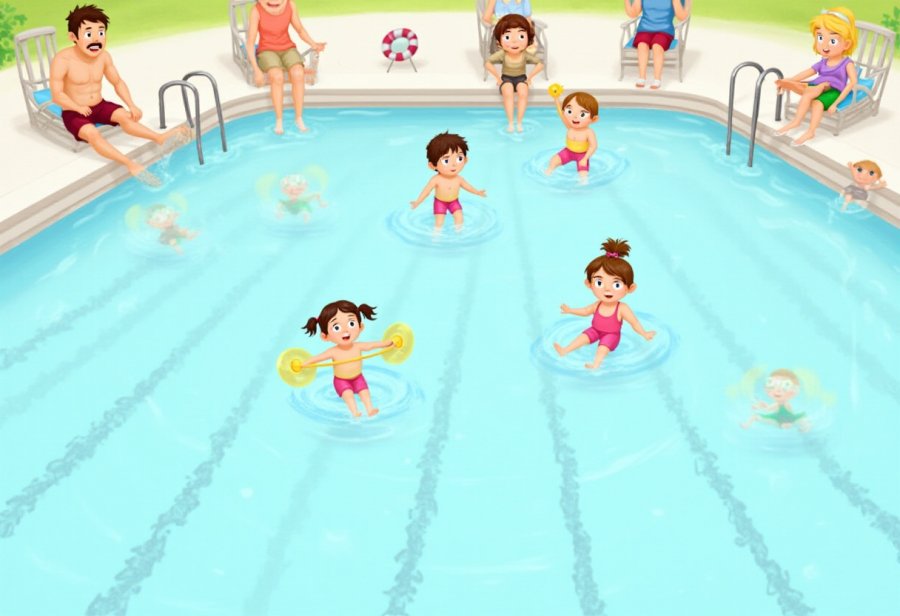
Looking Ahead: Innovations and Inspiration for Lifelong Water Enjoyment
As awareness around water confidence continues to grow, the future of swimming education looks more accessible and engaging than ever. Advances in technology, such as virtual reality simulations and online tutorials, are making it easier for learners to familiarize themselves with techniques in a safe, controlled environment before stepping into the water. These tools help reduce anxiety and build comfort, making the process of learning to swim less intimidating and more inviting for everyone.
Alongside technological innovations, personalized coaching and emotionally supportive teaching methods are gaining prominence. Recognizing that overcoming water fears involves both mental and physical shifts allows instructors to tailor their approach, fostering trust and resilience. This focus on individualized learning experiences turns swimming from a daunting challenge into a rewarding journey, encouraging lifelong confidence in the water.
There’s a noticeable shift toward creating more inclusive programs designed specifically for adult learners, emphasizing that it’s never too late to start. Many swim schools now offer beginner classes that prioritize overcoming fears and building water comfort—breaking the misconception that swimming is only for children. These initiatives open doors to health benefits, safety skills, and new adventures, making water confidence achievable at any age.
Despite these promising trends, challenges remain in ensuring equitable access to quality instruction and innovative resources. Bridging gaps in infrastructure, affordability, and outreach is essential to reach diverse communities. Combining traditional hands-on teaching with emerging technologies can help create inclusive environments where everyone has the opportunity to learn, grow, and thrive in water.
Stories of adults conquering their fears serve as inspiring reminders that persistence pays off. These personal journeys highlight that with patience, support, and the right mindset, transforming water anxiety into confidence is possible at any stage of life. As the field evolves, the emphasis will stay on removing barriers—whether emotional, logistical, or financial—and making water safety and enjoyment a reality for all.
Looking ahead, the integration of innovative tools and compassionate teaching will continue to shape a more welcoming and effective approach to water education. This shift promises to inspire more people to take that first courageous step, unlocking a lifelong relationship with water that’s grounded in safety, joy, and freedom. The potential for growth and transformation in swimming confidence is limitless, and the journey is just beginning for many more to discover what’s possible when they embrace the water with confidence.