




Cleopatra VII is often remembered through Hollywood’s lens as a seductress, but her true legacy runs much deeper—she was a master strategist, diplomat, and scholar whose power lay in her intellect and political acumen. Her leadership was marked by a keen understanding of diplomacy, cultural influence, and resilience, enabling her to maintain Egypt’s independence amidst the rise of Rome. Unlike the myth of beauty and seduction, Cleopatra’s legacy emphasizes her mastery of languages, sciences, and arts, transforming Alexandria into a hub of knowledge and innovation. Her alliances with Julius Caesar and Mark Antony weren’t mere personal romances but calculated moves to secure her kingdom’s future. Her story challenges modern perceptions of power, illustrating that true influence stems from wisdom, cultural diplomacy, and strategic thinking. In a world driven by superficial strength, Cleopatra’s brilliance reminds us that the most enduring legacy is built in the mind—proof that intelligence and resilience are the ultimate sources of true leadership.
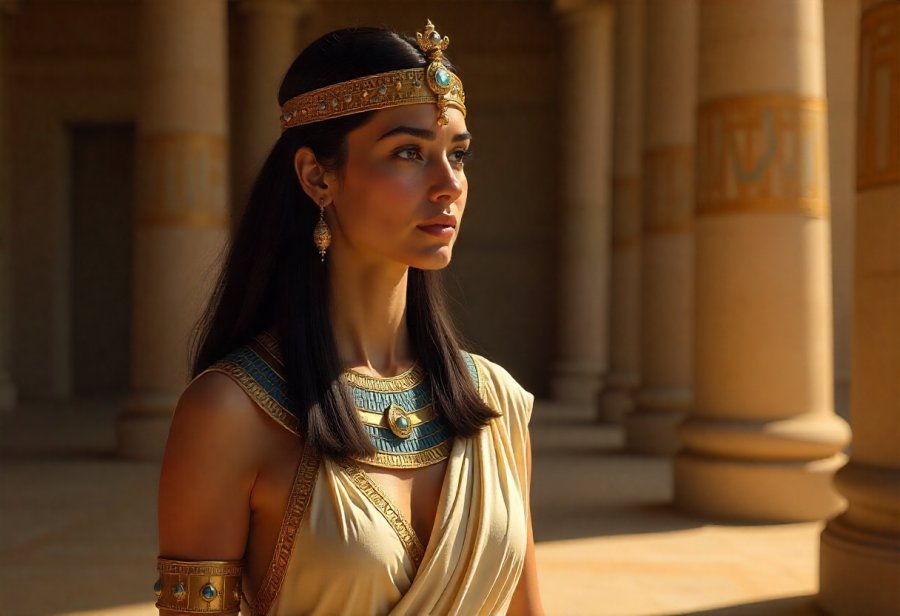
Unveiling Cleopatra’s True Power Behind Hollywood Stereotypes
Cleopatra VII is often remembered through Hollywood’s lens as a seductress or an exotic beauty, but her true legacy runs much deeper. Beyond the glamorous images that dominate her story, she was a brilliant and strategic leader whose strength lay in her sharp mind and political skill. Cleopatra understood that power wasn’t just about appearance; it was about wit, influence, and the ability to navigate complex political landscapes. Her mastery of diplomacy and statecraft allowed her to maintain Egypt’s independence during a time when Rome’s empire was expanding rapidly.
Her leadership was characterized by her keen intelligence and adaptability. Cleopatra’s ability to forge alliances with powerful Roman figures like Julius Caesar and Mark Antony was rooted in strategic calculation, not mere personal charm. She knew how to leverage influence, understand her opponents, and respond swiftly to threats—skills that kept her on the throne amidst turbulent times. Her reign wasn’t just about holding power but about actively shaping her kingdom’s future through careful negotiation and cultural diplomacy.
Many still associate Cleopatra with her romantic relationships, but her true strength was her capacity to think critically and act decisively. She was a master diplomat who combined her knowledge of languages, sciences, and arts to project authority and legitimacy. Her cultural sophistication, along with her political acumen, made her a formidable figure in a male-dominated world. Cleopatra’s legacy is largely rooted in her ability to use her intellect as her greatest weapon, transforming her royal lineage into a lasting impact on history.
Understanding Cleopatra’s true legacy means recognizing her as more than a myth of beauty or seduction. She was a ruler who relied on her mind—her strategic thinking, diplomatic finesse, and resilience—to navigate the challenges of her era. Her story exemplifies how intelligence and political mastery can be more powerful than brute force or superficial attributes. Cleopatra’s leadership reminds us that the most enduring legacies are built on wisdom, influence, and the ability to adapt.
Her reign offers a compelling lesson: leadership rooted in knowledge and strategic insight can withstand even the most powerful enemies. Cleopatra’s ability to read her environment, craft nuanced alliances, and maintain her influence underscores the importance of mental agility in leadership. Her story continues to challenge modern perceptions of power, emphasizing that true influence comes from the strength of the mind—an idea that resonates across centuries.
From Royal Birth to Reign: Cleopatra’s Rise and Achievements
Cleopatra VII’s rise to power was rooted in her strong Macedonian Greek heritage and her family’s longstanding royal lineage. Born into the Ptolemaic dynasty that had ruled Egypt since Alexander the Great’s aftermath, she was immersed in learning and politics from a young age. Fluent in multiple languages and well-versed in subjects like diplomacy, sciences, and literature, Cleopatra built a solid foundation for her leadership. Her early education emphasized strategic thinking and critical analysis, skills that would become vital as she navigated a turbulent political landscape.
When her father died in 51 BCE, Cleopatra ascended to the throne, confronting immediate challenges—internal unrest and the encroaching influence of Rome. She responded swiftly and shrewdly, forming strategic alliances that bolstered her position. Her alliance with Julius Caesar was a masterstroke, securing her reign and stabilizing Egypt’s independence. Cleopatra understood that influence was rooted in leverage and timing, not just personal charm, and she used these tools to her advantage.
Throughout her reign, Cleopatra focused on consolidating Egyptian sovereignty while restoring its cultural prestige. She worked tirelessly to stabilize the economy, support arts and sciences, and expand Alexandria’s renowned Library—a symbol of her commitment to knowledge and scholarship. Her leadership was marked by adaptability; she responded flexibly to threats and internal upheavals, often using diplomacy and cultural influence to outmaneuver rivals.
Her diplomatic acumen extended to her relationships with Rome’s top leaders. Her partnerships with Julius Caesar and later Mark Antony were carefully calculated moves designed to preserve Egypt’s independence amid shifting imperial tides. Cleopatra’s mastery of statecraft allowed her to project authority and maintain her influence, proving that leadership was as much about mental agility as military strength.
Cleopatra’s rise was not solely based on royal blood but was driven by her intelligence, determination, and mastery of politics. She understood that power depended on active engagement, reading her opponents, and crafting nuanced alliances. Her ability to adapt and respond swiftly kept her on the throne, even in the face of formidable enemies.
Her leadership demonstrated that strategic insight and diplomatic finesse could be more effective than force. Cleopatra’s capacity to read her environment, respond with calculated moves, and leverage her influence ensured her survival and legacy. Her reign exemplifies how intelligence and political skill are central to lasting power.
In the end, Cleopatra’s ascent was a testament to her resilience and sharp mind. She navigated Egypt through turbulent times by focusing on diplomacy, cultural diplomacy, and strategic alliances. Her ability to think ahead and adapt in an ever-changing landscape cemented her reputation as a formidable and visionary leader. Her story continues to inspire, showing that true power often resides in the mind behind the throne.
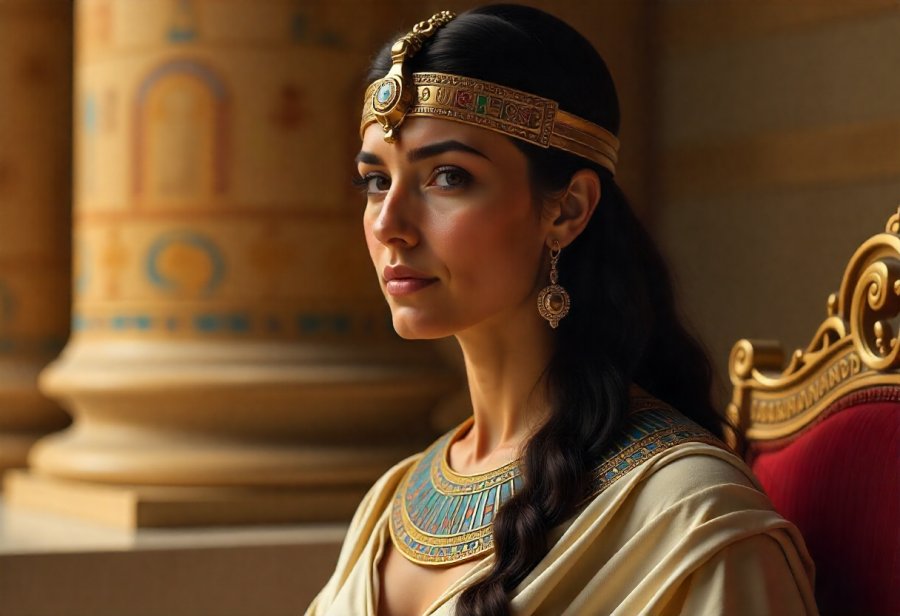
Cultivating Knowledge: Cleopatra’s Role in Egypt’s Cultural Renaissance
Cleopatra’s intellectual legacy extends far beyond her political achievements; it reflects her deep commitment to scholarship and cultural advancement. During her reign, Alexandria became a thriving hub of learning, largely thanks to her support of the famed Library of Alexandria. She expanded its collections and fostered the exchange of ideas, transforming it into a center of innovation that attracted scholars from across the ancient world. Her mastery of multiple languages—Egyptian, Greek, Latin—enabled her to communicate directly with thinkers and diplomats from diverse cultures, broadening her influence and understanding.
Her personal dedication to education was evident in her studies of sciences, mathematics, philosophy, and literature. Cleopatra believed that a ruler’s strength was rooted in knowledge, and she actively engaged in scholarly pursuits herself. This curiosity set her apart from many monarchs, demonstrating that leadership rooted in learning could elevate a kingdom’s prestige and stability. Her patronage helped cultivate an environment where scientists, poets, and philosophers thrived, igniting a cultural renaissance that echoed through history.
Supporting Alexandria’s scholarly scene, Cleopatra encouraged cultural exchange and intellectual curiosity. She understood that wisdom and innovation could serve as powerful tools for diplomacy, helping her navigate turbulent political waters. Her efforts to promote arts and sciences weren’t just acts of patronage—they were strategic moves to bolster Egypt’s reputation as a center of knowledge and influence. Her own education and insatiable curiosity made her a role model for her court, emphasizing that a well-informed ruler could inspire loyalty and respect.
Cleopatra’s leadership was characterized by her ability to apply her broad knowledge in practical ways. She crafted policies that balanced tradition with progress, using her understanding of sciences, arts, and human nature to respond effectively to threats and opportunities. Her support for learning reinforced her authority, positioning her as an enlightened monarch in a male-dominated society. This cultural renaissance not only strengthened internal stability but also left a lasting mark on Egypt as a beacon of intellectual achievement.
Her commitment to scholarship fostered a legacy that extended beyond her reign, inspiring future generations to see education and cultural engagement as vital to effective leadership. Cleopatra understood that influence came from inspiring others through wisdom, not just through power or wealth. Her patronage created a climate where knowledge was valued, and innovation thrived, ensuring her impact endured long after her time.
Her example continues to challenge stereotypes of female rulers, highlighting that true strength lies in curiosity, learning, and cultural diplomacy. Cleopatra’s legacy reminds us that leadership rooted in wisdom and resilience can redefine power itself. By championing knowledge and fostering intellectual growth, she set a standard for rulers and leaders across history—one that emphasizes influence through insight and understanding over mere dominance.
The Mind as the Ultimate Weapon: Cleopatra’s Strategic Genius
Cleopatra’s greatest strength was her mind. She understood that true power came not from armies or brute force, but from strategic thinking, influence, and diplomacy. Her intelligence allowed her to navigate the intricate and often dangerous political landscape of the ancient world, giving her an edge that no military might could match. She knew how to read her opponents’ motives, craft nuanced alliances, and respond swiftly to shifting circumstances—turning crises into opportunities and keeping her throne secure despite external threats.
Her relationship with Julius Caesar and Mark Antony exemplifies her diplomatic mastery. Instead of relying solely on personal charm, she negotiated from a position of strength, leveraging her influence to advance her interests. Her alliance with Caesar was a calculated move—an act of political finesse that cemented her reign and stabilized Egypt’s independence. When internal unrest threatened her rule, her quick thinking and careful planning helped her respond effectively, often outmaneuvering rivals who underestimated her.
Cleopatra’s ability to outthink her enemies was rooted in her profound understanding of human nature and political nuance. She knew that influence wasn’t just about wealth or beauty; it depended on persuasion, timing, and cultural diplomacy. Her mastery of multiple languages, her knowledge of sciences, arts, and philosophy—all contributed to her sharp worldview. She used this knowledge to foster alliances that extended her reach and to outflank enemies who thought her vulnerable.
Resilience was another key aspect of her leadership. When her throne was challenged, she responded with carefully crafted strategies, analyzing her options rather than rushing into impulsive actions. Her capacity to adapt to new realities and craft innovative solutions kept her one step ahead of her enemies and secured her influence. This mental agility was central to her survival and her enduring legacy.
Cultural and political leverage played a crucial role in her power. Cleopatra understood that Rome’s might was formidable, but her intelligence turned diplomatic relationships into tools for survival. Negotiations with Caesar and Antony weren’t just personal or romantic—they were strategic moves that safeguarded her kingdom’s future. Her ability to think ahead and respond with calculated moves exemplified how leadership rooted in the mind could surpass brute force.
Throughout her reign, Cleopatra demonstrated that leadership is as much about mental strength as it is about authority. Her strategic moves, diplomatic finesse, and foresight made her a formidable ruler. She used her intelligence as her primary weapon—outsmarting rivals and building a legacy based on wit and insight. Her story reminds us that true leadership depends on the capacity to influence and persuade through the power of the mind, making her one of history’s most enduring examples of intellectual mastery.
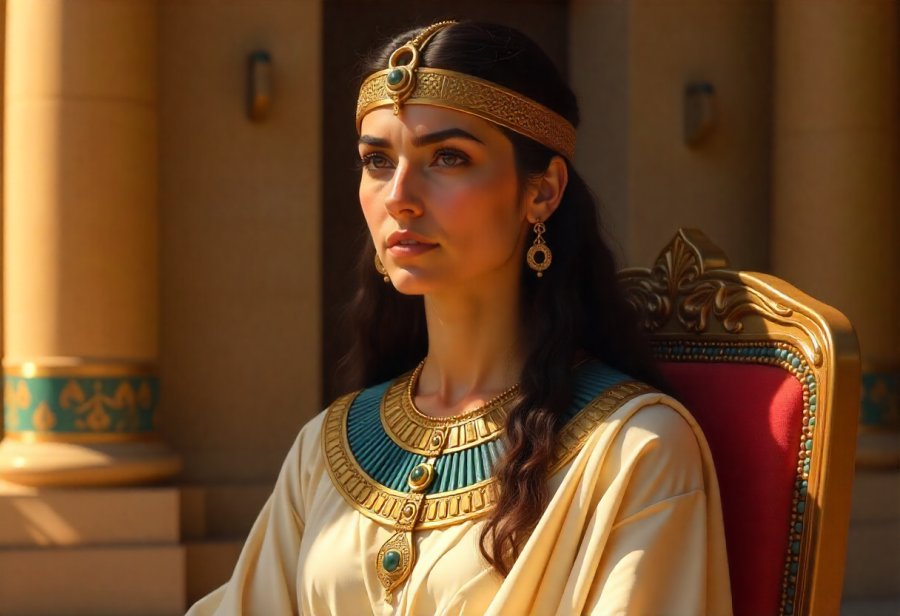
Legacy of Wisdom: How Cleopatra’s Intellect Continues to Inspire Leadership Today
Cleopatra’s legacy as a strategic thinker and resilient leader continues to shape modern perceptions of female power. She challenged outdated stereotypes by demonstrating that intelligence, diplomacy, and emotional resilience are the true hallmarks of influence. Her ability to navigate a male-dominated world with wit and foresight redefined leadership standards, inspiring generations to see strength beyond mere physicality or traditional roles. Today’s conversations about women in power often draw on her example, emphasizing that influence is rooted in knowledge, cultural savvy, and strategic action.
Her story resonates in contemporary debates on gender and leadership, proving that influence isn’t confined by gender boundaries. Cleopatra’s mastery of diplomacy and her capacity to forge alliances through insight and persuasion highlight that leadership driven by wisdom can be just as formidable as force. Her resilience in the face of adversity offers a powerful reminder that mental agility and perseverance are essential for lasting impact. These qualities are particularly relevant today, where rapid change and complex global challenges demand adaptive, thoughtful leaders.
Cleopatra’s example also encourages a broader reevaluation of what it means to be powerful. Her leadership style—focused on influence, cultural intelligence, and strategic negotiation—serves as a blueprint for women striving to make their mark in politics, business, and activism. Her legacy underscores that true authority stems from the ability to understand others, craft nuanced strategies, and remain resilient amid turbulence. By valuing her intellect and diplomatic finesse, she set a precedent that leadership rooted in wisdom and resilience can surpass traditional notions of dominance.
Modern leaders and scholars continue to study her life, highlighting her innovative approach to statecraft and diplomacy. Her emphasis on cultural understanding and intellectual engagement remains relevant, illustrating that influence is built on the foundation of knowledge and strategic foresight. Cleopatra’s legacy encourages us to see leadership as a continuous pursuit of learning, adaptability, and influence—qualities that transcend time and gender.
Her example offers a timeless lesson: influence is most enduring when rooted in the strength of the mind. Cleopatra’s ability to outthink, outmaneuver, and inspire through her intelligence redefines what it means to lead effectively. Her legacy proves that resilience, wisdom, and cultural savvy are the true sources of power—lessons that remain vital for today’s evolving landscape of leadership. In a world often obsessed with superficial notions of strength, Cleopatra’s example reminds us that the most lasting impact comes from the power of the mind.

