




Nylon, a material woven into our daily routines—from clothing to industrial products—originates from fossil fuels, raising urgent environmental concerns. Its creation involves energy-intensive processes that emit potent greenhouse gases, contributing significantly to climate change. Once discarded, nylon endures for centuries, fragmenting into microplastics that infiltrate oceans, harming marine life and entering our food chain. Microfiber shedding during washing accelerates pollution, while production spills contaminate waterways and ecosystems. As nylon’s demand grows globally, so do its ecological footprints, especially in regions with lax regulations. Despite promising innovations like recycling and bio-based fibers, the scale of environmental damage persists. Are we willing to overlook the true cost of this synthetic marvel, or will we pivot toward sustainable alternatives? Understanding nylon’s complex impact compels us to rethink our reliance on such materials and consider the urgent need for systemic change to safeguard our planet’s future.

Unveiling Nylon: Its Ubiquity, Origins, and Environmental Footprint
Nylon is everywhere—in our clothes, carpets, and even in the fishing lines we depend on. It’s a material that’s become so ingrained in daily life that it’s easy to overlook its origins or the broader environmental footprint it leaves behind. What makes nylon so ubiquitous is its remarkable strength, durability, and versatility, qualities that have driven its widespread adoption across industries. From fashion to industrial applications, nylon’s resilience has made it a go-to synthetic fiber for decades.
The story of nylon begins in the 1930s, when chemists sought to develop a new type of fiber that could serve as a cheaper, more durable alternative to silk and cotton. Their efforts paid off with the creation of nylon, a groundbreaking polymer that revolutionized manufacturing and consumer habits. Its resilience—resistance to abrasion, moisture, and chemicals—quickly made it a staple in everything from stockings to sportswear. This combination of affordability and durability fueled rapid growth, transforming industries and shaping a new landscape of synthetic materials.
However, behind nylon’s convenience lies a complex web of environmental challenges. Its production depends heavily on fossil fuels—oil and natural gas—that are extracted, refined, and processed into chemicals used in polymerization. Each step in this process consumes significant energy and emits greenhouse gases, making nylon a notable contributor to climate change. The chemicals involved, like benzene and adipic acid, are derived from non-renewable resources, tying nylon’s existence directly to the finite supply of fossil fuels. This dependence raises questions about sustainability as global demand continues to climb.
The manufacturing process itself is energy-intensive and environmentally taxing. Extracting oil and gas disrupts ecosystems and risks water and land contamination through spills and leaks. The chemical reactions needed to create nylon fibers release pollutants and potent greenhouse gases, including nitrous oxide—a greenhouse gas far more potent than carbon dioxide. Moreover, the production generates hazardous waste that can linger in ecosystems for decades if not properly managed. These factors highlight how each phase of nylon’s lifecycle—from resource extraction to fiber creation—leaves a significant environmental footprint.
As nylon products multiply and their lifespan extends in landfills, the environmental impact amplifies. Its resistance to natural decomposition means that discarded nylon can persist for hundreds of years, gradually breaking into microplastics that contaminate soil and water. These tiny fibers are ingested by marine life, entering the food chain and affecting ecosystems and human health alike. Microplastic pollution from washing synthetic textiles is another pressing issue, as fibers escape into wastewater and ultimately reach oceans, harming wildlife and polluting our oceans’ delicate balance.
Recognizing nylon’s extensive environmental footprint prompts a deeper reflection on our reliance on synthetic materials. Its production, shedding fibers, and persistent waste pose ongoing challenges that demand systemic change. Moving toward sustainable alternatives and more responsible manufacturing practices isn’t just desirable—it’s essential for protecting the planet’s future. Understanding where nylon comes from and the costs it entails helps us make more informed choices and consider innovative solutions to reduce its environmental toll.
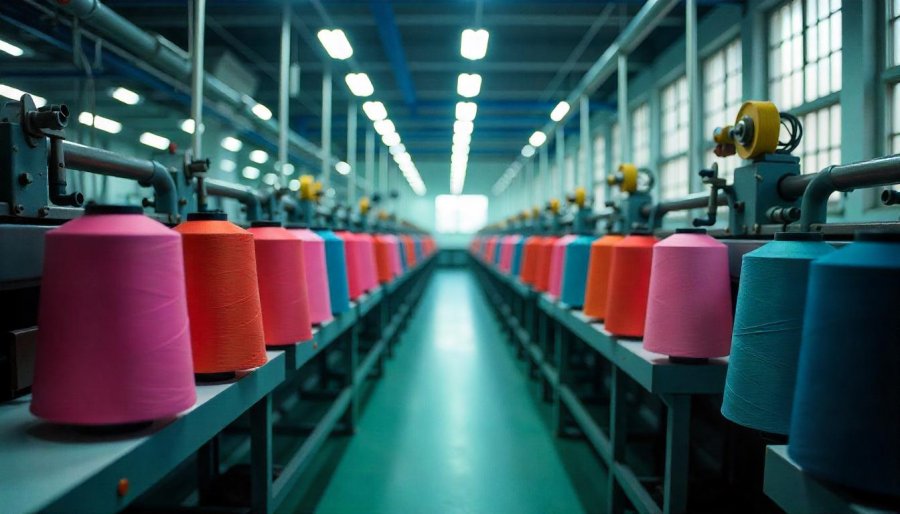
Fossil Fuel Dependence: The Petrochemical Journey to Nylon Production
Nylon production is deeply intertwined with fossil fuels like oil and natural gas. These resources serve as the raw foundation for creating the chemicals needed in the manufacturing process. Extracted through drilling, they undergo complex refining steps to produce key chemicals such as benzene, hexamethylenediamine, and adipic acid—essential building blocks for nylon fibers. Converting these hydrocarbons into usable chemicals isn’t straightforward; it involves energy-intensive procedures that require high heat and pressure, primarily powered by more fossil fuels. This means that every stage of making nylon relies heavily on the ongoing extraction and combustion of finite natural resources, reinforcing its status as a petrochemical-dependent material.
Once these chemicals are prepared, they are combined through a process called polymerization. In nylon production, polycondensation is the most common method, where small molecules react to form long, sturdy chains—creating the nylon polymer. During this process, by-products like water or other chemicals are released, necessitating precise control of temperature and pressure. These reactions are highly energy-demanding, and their efficiency hinges on maintaining optimal conditions, often achieved through fossil fuel energy sources. As a result, the entire pathway from raw hydrocarbons to finished fibers consumes vast amounts of energy, making nylon manufacturing a notable contributor to greenhouse gas emissions.
The reliance on fossil fuels doesn’t just drive energy consumption; it also amplifies environmental impacts. Extracting oil and natural gas can disturb ecosystems, pollute water sources, and cause accidents that release toxins into the environment. These spills and leaks can contaminate land and waterways, affecting wildlife and communities nearby. The refining process adds further pollution, generating chemical waste and emissions that contribute to air and water contamination. As global demand for nylon rises, so does the pressure to extract more fossil resources, accelerating environmental degradation and deepening our dependence on non-renewable energy sources.
Chemical reactions during nylon synthesis also produce hazardous waste products. Solvents, dyes, and other by-products generated in the process can pose long-term risks if not properly managed. Improper disposal of these chemicals can lead to soil and water contamination, harming ecosystems and human health. Additionally, the production releases potent greenhouse gases, including nitrous oxide and carbon dioxide. Nitrous oxide, in particular, is a greenhouse gas far more effective than carbon dioxide at trapping heat, making nylon manufacturing a significant contributor to climate change. These emissions are directly linked to the energy-intensive steps involved in transforming raw hydrocarbons into durable fibers, highlighting the environmental toll embedded in each stage.
This cycle of resource extraction, chemical synthesis, and fiber production underscores nylon’s heavy dependence on finite fossil fuels. Every phase—from drilling and refining to polymerization and fiber formation—relies on non-renewable resources that are being depleted at an unsustainable rate. As manufacturing scales up to meet increasing demand, this dependence only intensifies, leading to greater ecological harm and climate impact. The environmental footprint of nylon is not confined to its creation; it continues through its use, disposal, and the microplastics shed during washing. Addressing these challenges requires a fundamental shift in how we produce and think about synthetic fibers, emphasizing sustainability and resource conservation.
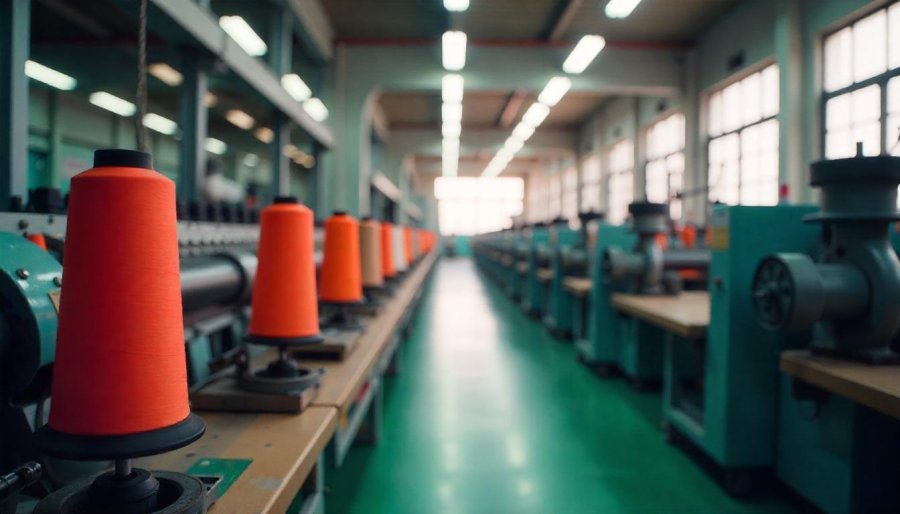
The Growing Crisis: Current Challenges of Nylon Pollution and Climate Impact
Nylon’s environmental impact today is more visible—and alarming—than ever before. As global demand for textiles, industrial products, and consumer goods continues to surge, so does the scale of nylon production. This rapid growth amplifies existing pollution issues and introduces new challenges that are increasingly difficult to ignore. Factory discharges, often laden with dyes, solvents, and chemical by-products, frequently seep into nearby waterways, contaminating ecosystems and endangering both wildlife and human communities. These pollutants can persist for years, disrupting aquatic habitats and tainting drinking water sources, making the hidden costs of nylon more pressing than ever.
One of the most troubling consequences of nylon use is microplastic pollution. Each time we wash synthetic textiles, tiny fibers—often less than a millimeter long—shed from the fabric and escape into wastewater. These microfibers bypass treatment plants and end up in oceans, lakes, and rivers, fueling the global microplastic crisis. Marine animals ingest these fibers, mistaking them for food, which can cause injuries, reproductive issues, or death. As microplastics accumulate in marine environments, they threaten entire ecosystems and eventually find their way into our food chain, impacting human health in ways we’re only beginning to understand.
Discarded nylon products in landfills pose another persistent problem. Because nylon is highly resistant to natural decomposition, items made from it can last for centuries. Over time, they fragment into microplastics that contaminate soil and water, infiltrating ecosystems and food sources. This durability, once a practical advantage, now turns into a significant ecological burden. As these plastics slowly break down, they release chemicals and microfibers that can linger in the environment long after their initial disposal, affecting biodiversity and human well-being alike.
Beyond pollution, nylon production is a major contributor to climate change due to its greenhouse gas emissions. The chemical processes involved in transforming fossil fuels into fibers release large amounts of carbon dioxide. Additionally, the manufacturing stages produce potent greenhouse gases like nitrous oxide—a gas far more effective at trapping heat than carbon dioxide. As factories expand to meet rising demand, emissions continue to climb, turning nylon into a notable driver of global warming. This link between industrial growth and climate impact underscores the urgent need to rethink how we produce and consume synthetic fibers.
Regional disparities play a significant role in how nylon pollution manifests globally. Developed nations often have stricter environmental regulations, better waste management systems, and active recycling initiatives that help mitigate some of these problems. In contrast, many developing regions lack the infrastructure or enforcement to control chemical discharges or manage waste effectively. Factories in these areas may release pollutants directly into rivers or landfills, causing severe local environmental damage. These differences highlight that addressing nylon pollution requires coordinated international efforts, especially to support regions with fewer resources.
Microfiber pollution doesn’t stay confined to water bodies—it also becomes airborne. Tiny fibers released during washing can become suspended in the atmosphere, settling on land or being inhaled by people. This airborne microplastic contamination adds another layer to the problem, affecting air quality and potentially impacting respiratory health. Because nylon fibers are so resistant to natural breakdown, their environmental footprint extends beyond water, weaving into a complex web of pollution that threatens ecosystems, wildlife, and human health alike.
Despite growing awareness, current efforts to curb nylon’s environmental toll remain insufficient. Innovations like bio-based fibers, improved recycling technologies, and closed-loop manufacturing systems that reuse nylon waste offer promising paths forward. Some companies are developing systems to recycle nylon back into new fibers, reducing reliance on virgin resources and cutting down pollution. Consumer awareness campaigns and stricter regulations are gaining momentum, encouraging more responsible choices and industry practices. Still, these solutions are not yet widespread enough to counterbalance the scale of the problem, leaving much work ahead. Addressing nylon’s environmental challenges demands systemic change—industry innovation, policy enforcement, and conscious consumer behavior all play vital roles.
The environmental challenges posed by nylon reflect a broader tension between convenience and sustainability. Its production, shedding fibers, and persistent waste create a cycle of pollution that damages ecosystems and accelerates climate change. Recognizing these issues is only the beginning; meaningful progress requires a fundamental shift in how we produce, use, and dispose of synthetic materials. Moving toward sustainable alternatives, embracing circular economy principles, and reducing overall consumption are crucial steps. The fight against nylon pollution calls for a collective effort—industry leaders, policymakers, and consumers must work together to forge a more sustainable path forward, safeguarding the planet’s health for future generations.