A reliable car battery is the secret to worry-free driving, yet many drivers overlook simple maintenance steps until something goes wrong. Could a few quick checks—like inspecting terminals for corrosion, tightening clamps, or topping up with distilled water—really prevent unexpected breakdowns? The truth is, regular maintenance can dramatically extend your battery’s lifespan and ensure your vehicle starts reliably, no matter the season. Testing voltage with an inexpensive multimeter offers an early warning sign of decline, saving you from costly repairs or being stranded in critical moments. Are your driving habits—short trips, extreme temperatures—accelerating battery wear? Implementing routine inspections and minor adjustments can turn a daunting task into a straightforward habit, building confidence and dependability on every trip. Why leave your vehicle’s performance to chance when a few simple steps can keep you confidently on the road, reducing stress and avoiding costly surprises?

Start Your Journey with Essential Battery Care Tips
A reliable car battery is the foundation of smooth and trouble-free driving. Without it, your engine won’t start, and your vehicle’s electronic systems—like headlights, radio, and GPS—won’t function properly. Surprisingly, many drivers don’t think about their battery until something goes wrong, often at the most inconvenient moment. However, taking a little time for routine maintenance can make a big difference, helping you avoid unexpected breakdowns and costly repairs.
Caring for your battery isn’t complicated, but it’s incredibly effective. Simple checks, like inspecting the terminals for corrosion, can prevent many common issues. Over time, white or greenish deposits can build up on the metal parts, blocking the flow of electricity. Cleaning these with a wire brush or a dedicated terminal cleaner is quick and easy, ensuring a solid connection every time you turn the key. Making this a regular habit—say, every few months—can keep your vehicle starting smoothly and extend your battery’s lifespan.
Another key step is ensuring the battery clamps are tight and secure. Loose or corroded connections can cause intermittent electrical issues, making your engine struggle to start or your electronics glitching unexpectedly. After cleaning the terminals, double-check that the clamps are snug. Gently tightening them ensures a reliable connection, especially as temperature changes or long drives can loosen fittings over time. It’s a simple move that pays off by boosting your vehicle’s dependability.
Many batteries come with removable caps that allow you to check the internal fluid levels. Maintaining proper fluid levels with distilled water is crucial, particularly during warmer months when evaporation speeds up. Low fluid levels expose internal plates to air, leading to corrosion and reduced performance. Topping up with distilled water—never tap water—helps preserve internal chemistry, keeping your battery healthy and efficient. Regularly checking and maintaining fluid levels can prevent early failure and keep your vehicle running reliably.
Testing your battery’s voltage with a multimeter offers a quick snapshot of its health. When the engine is off, a healthy battery should read around 12.6 volts. If the reading is much lower, it indicates the battery might be losing its charge or nearing the end of its life. These simple checks are inexpensive but provide valuable insight into whether your battery can handle your daily drives. Catching a declining voltage early means you can replace the battery before it leaves you stranded, especially when you need your car most.
Your driving habits also influence your battery’s longevity. Short trips that don’t give the battery enough time to recharge—common in city commuting or cold weather—can accelerate wear. Turning off unnecessary electronics when the engine is off and parking in sheltered spots during extreme temperatures help protect the battery from unnecessary strain. Small adjustments like these add up, creating a proactive approach that keeps your vehicle dependable and ready to go whenever you need it.
Incorporating these simple maintenance steps into your routine doesn’t require special skills or much time. A few minutes once a month to inspect terminals, tighten clamps, check fluid levels, and test voltage can make a significant difference. These straightforward actions help you identify potential issues early, so you won’t be caught off guard by a dead battery or unexpected breakdown. Over time, staying attentive to your battery’s health builds confidence and ensures your vehicle remains reliable in any situation.

Master Key Techniques to Keep Your Battery Healthy
Maintaining your car battery’s health is simpler than many think. One of the most straightforward and effective practices is regularly inspecting the terminals for corrosion. Over time, white or greenish deposits can form on the metal parts, which impede the flow of electricity. Cleaning these deposits with a wire brush or a dedicated terminal cleaner is quick and easy, but it makes a big difference in ensuring your vehicle starts reliably. Making this a routine—say, every few months—helps prevent unexpected stalls and keeps your battery functioning at its best.
Ensuring that the battery clamps are tight and secure is another crucial step. Loose or corroded connections can cause intermittent electrical issues, making your engine struggle to turn over or your electronics behave unpredictably. After cleaning the terminals, double-check that the clamps are snug. Gently tighten them if needed. This simple action guarantees a solid connection, especially as temperature swings or long drives can loosen fittings over time. It’s a small effort with significant benefits for your vehicle’s dependability.
Many batteries come with removable caps that allow you to check the internal fluid levels. Keeping these levels topped up with distilled water is vital, particularly during warmer months when evaporation accelerates. Low fluid levels expose internal plates to air, which can lead to corrosion and reduced performance. Topping up with distilled water—not tap water—helps maintain proper internal chemistry, extending the battery’s lifespan. Regularly checking and maintaining these levels prevents early failure and keeps your vehicle running smoothly.
Testing your battery’s voltage with a multimeter offers a quick, non-invasive way to assess its condition. When the engine is off, a healthy battery should read around 12.6 volts. Significantly lower readings suggest the battery might be losing its charge or nearing the end of its service life. These checks are inexpensive, fast, and give you valuable insights into your battery’s health. Catching a decline early means you can replace the battery before it leaves you stranded, especially during critical moments.
Your driving habits also impact your battery’s longevity. Short trips, especially in cold weather, prevent the battery from recharging fully, which accelerates wear. Turning off unnecessary electronics when the engine is off reduces drain, while parking in sheltered areas during extreme temperatures helps protect the battery from rapid temperature swings that can speed up aging. Small adjustments like these create a proactive approach to battery care, helping your vehicle stay dependable longer.
Incorporating these simple maintenance techniques into your routine doesn’t require special skills or much time. Spending a few minutes each month inspecting terminals, tightening clamps, checking fluid levels, and testing voltage can prevent many common issues. These straightforward actions allow you to identify potential problems early, avoiding unexpected breakdowns and ensuring your car is always ready to hit the road. Over time, this consistent attention builds confidence and keeps your vehicle reliable in any situation.
Routine Checks for Unwavering Vehicle Reliability
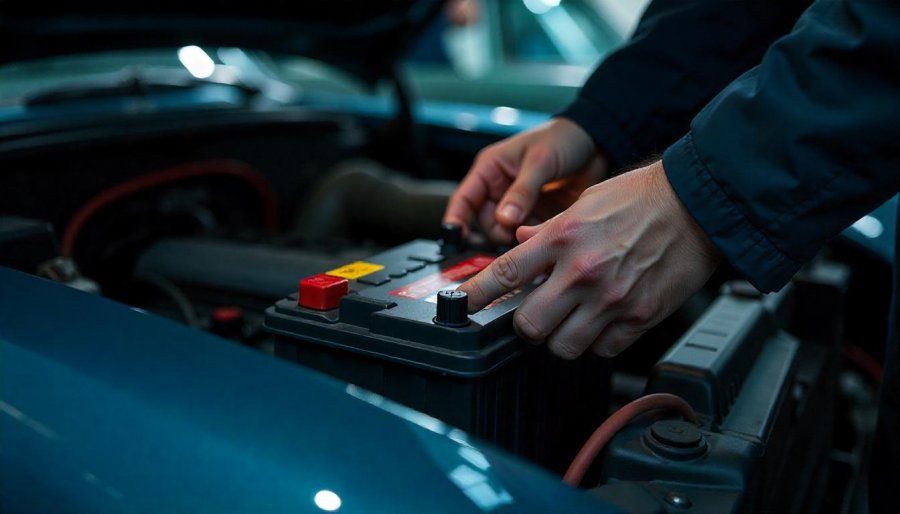
Keeping your battery in top shape requires consistent inspections, but it doesn’t have to be complicated or time-consuming. Making routine checks a regular habit can save you from unexpected breakdowns and give you peace of mind on the road. Start by visually inspecting your battery terminals for any signs of corrosion—white or greenish deposits that can develop over time. These deposits can hinder the flow of electricity, making your engine harder to start and your electronics less reliable. Cleaning the terminals with a wire brush or a dedicated cleaner clears away buildup and restores a solid connection, often with just a few minutes of effort.
After cleaning, double-check that the clamps holding the battery are tight and secure. Loose or corroded connections are a common culprit behind intermittent electrical issues, which can leave you stranded at the worst moment. Gently tighten the clamps to ensure they grip firmly without over-tightening, which could damage the terminal. This small step not only improves starting reliability but also helps maintain a consistent power supply to your vehicle’s systems, especially during temperature fluctuations or after long drives. Making this a routine habit keeps your vehicle dependable and ready to go.
Another simple but vital check involves assessing fluid levels if your battery has removable caps. Using distilled water, top up the internal cells as needed—especially during warmer months when evaporation increases. Low fluid levels expose internal plates to air, accelerating corrosion and reducing performance. Regularly maintaining proper fluid levels helps preserve the internal chemistry of your battery, extending its lifespan and ensuring it performs optimally. It’s a straightforward task that prevents early battery failure and keeps your vehicle running smoothly without unexpected surprises.
Testing your battery’s voltage with a multimeter provides a quick snapshot of its health. When the engine is off, a healthy battery should read around 12.6 volts. If the voltage drops significantly below that, it’s a sign your battery is losing its charge or nearing the end of its life. These checks are inexpensive and easy, yet they deliver valuable insights that can help you plan ahead. Catching a declining voltage early allows you to replace the battery before it fails completely, saving you from inconvenient breakdowns and emergency repairs.
Incorporating these simple, routine inspections into your monthly vehicle care routine makes a big difference in maintaining reliability. It only takes a few minutes to inspect the terminals, tighten the clamps, check fluid levels, and test the voltage—yet these small efforts can prevent many common problems. Staying attentive to your battery’s condition means you’re less likely to be caught off guard by a dead battery or electronic glitches. Over time, this proactive approach builds confidence, keeps your vehicle dependable, and ensures you can count on your car whenever you need it most.