




Neglecting professional HVAC maintenance might seem like a minor oversight, but it can silently jeopardize your safety, comfort, and energy efficiency. Small issues such as clogged filters or worn components often go unnoticed until they cause hazardous malfunctions—like dangerous gas leaks or system failures during cold winters. Regular inspections by trained technicians not only prevent costly emergencies but also improve indoor air quality and prolong equipment lifespan. Real-life case studies underscore how proactive care can avert safety crises and costly repairs, emphasizing that HVAC systems demand expert oversight beyond DIY fixes. As technology evolves, innovations like smart controls and eco-friendly solutions promise more efficient, reliable climate management. But are we underestimating the true risks of neglect, and how might future advancements reshape our approach to safeguarding our indoor environments? The answer lies in recognizing that investing in professional HVAC services is not just about comfort—it’s a vital safeguard for health, safety, and peace of mind.
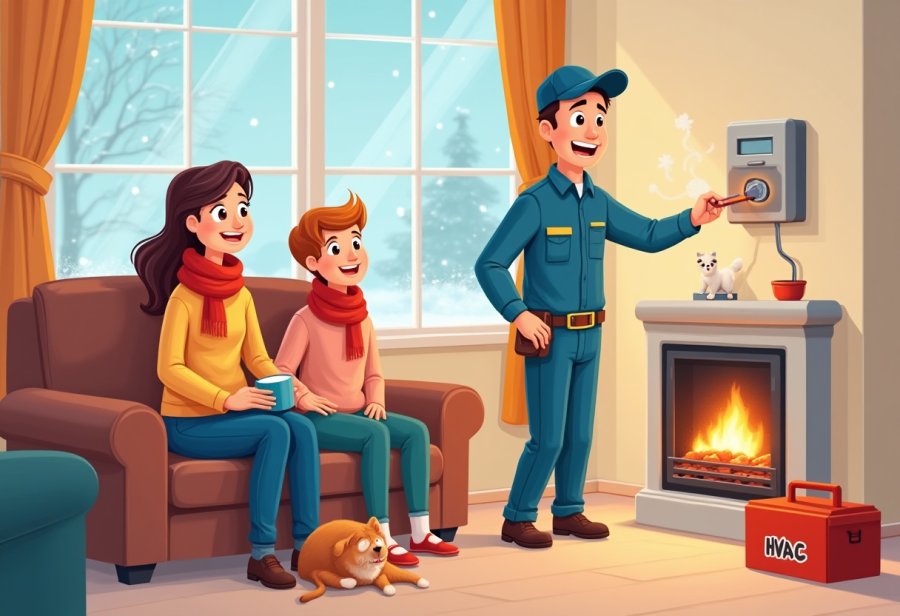
Secure Comfort and Safety Through Professional HVAC Care
HVAC systems are essential for maintaining comfort and safety inside homes and businesses, especially as seasons change and weather conditions become more extreme. These systems—comprising furnaces, air conditioners, ventilation fans, and filters—work together to regulate temperature, humidity, and air quality. When they operate properly, they create a safe and comfortable environment that supports well-being and productivity. However, due to their complexity and interconnected parts, they require more than occasional attention; they need professional care to keep functioning at their best.
Routine maintenance by trained technicians isn’t just about fixing things when they break. It’s about catching small issues early—like worn filters or minor leaks—before they escalate into safety hazards or costly repairs. Regular inspections and tune-ups help ensure your system runs efficiently, saving energy and lowering utility bills over time. Proper upkeep also extends the lifespan of your equipment, delaying the need for expensive replacements and reducing unexpected breakdowns.
Safety is a major reason to invest in professional HVAC services. Small cracks in heat exchangers or faulty electrical connections often go unnoticed without proper inspection. Left unchecked, these problems can lead to dangerous gas leaks or electrical fires, putting everyone inside at serious risk. Skilled technicians can identify and fix such hazards early, providing peace of mind that your indoor environment remains safe year-round, particularly during winter when heating systems are under added stress.
Understanding the role of HVAC systems in maintaining indoor air quality highlights their importance beyond temperature control. Filters trap dust, allergens, and pollutants, but their effectiveness diminishes over time. Regular professional cleaning and filter replacement are crucial for ensuring the air you breathe stays healthy, reducing allergy symptoms and respiratory issues. This is especially vital for vulnerable groups like children, seniors, or those with existing health conditions.
All these points show that professional HVAC care isn’t just about comfort—it’s a key investment in safety, efficiency, and peace of mind. Properly maintained systems operate more reliably and last longer, saving money and reducing stress. As weather patterns grow more unpredictable and energy costs rise, trusting trained experts to care for your HVAC system becomes even more essential. Their expertise helps ensure your indoor environment remains safe, comfortable, and efficient throughout the year.
Hidden Dangers of Ignoring HVAC Maintenance
Neglecting routine HVAC maintenance can hide serious safety risks that often go unnoticed until they cause real damage. Small issues like clogged filters or minor wear and tear may seem insignificant at first, but over time they can lead to dangerous malfunctions. For example, a neglected furnace might develop cracks in its heat exchanger, which can allow dangerous gases like carbon monoxide to seep into the living space. Because carbon monoxide is odorless and invisible, you might not realize there’s a problem until someone begins feeling sick or worse, experiences poisoning. Regular inspections by professionals are essential to catch these hazards early before they turn into emergencies.
Another danger of ignoring maintenance is the risk of sudden system failures, especially during the coldest months. When heating systems aren’t properly checked, components such as burners or electrical connections can become compromised. This can lead to unexpected breakdowns when you need heat the most, leaving occupants vulnerable to hypothermia or other cold-related health issues. In commercial settings, a sudden shutdown can halt operations, cause delays, or even violate safety standards. Many of these failures stem from problems that could have been identified and fixed during routine tune-ups, preventing costly disruptions.
Indoor air quality also suffers when HVAC systems aren’t maintained. Dust, mold spores, and allergens can accumulate inside filters and ductwork if they’re not cleaned regularly. Over time, these contaminants are redistributed throughout the indoor environment, aggravating allergies, asthma, or other respiratory conditions. Vulnerable populations such as children, seniors, or those with pre-existing health issues face especially high risks. Regular filter replacements and duct cleanings are vital steps in ensuring the air inside remains healthy and safe to breathe.
This concept is further developed in Vic Sullivan‘s article The Future of HVAC: Smart Tech, Sustainability, and Proactive Maintenance published on Inspyro.
Worn-out parts present yet another hazard. Belts, motors, valves, and electrical components degrade without proper attention, increasing the chance of sudden failures. These failures can cause the system to overheat, produce dangerous fumes, or even spark electrical fires. When systems are pushed beyond their limits due to neglect, the risk of accidents rises sharply. Routine inspections and timely replacements of worn components are crucial to prevent these potentially catastrophic events and maintain a safe indoor environment.
DIY repairs or skipping professional servicing can make matters worse, often introducing new hazards. Without proper training and tools, attempts to fix HVAC problems can lead to gas leaks, electrical shorts, or improper ventilation—all of which pose serious safety threats. Licensed technicians have the expertise to diagnose problems accurately and fix them safely, ensuring your system operates within safety standards. Ignoring this professional help might save money upfront but can result in emergencies that are far more costly and dangerous. Regular maintenance by qualified experts isn’t just about comfort; it’s about safeguarding everyone inside your space from preventable hazards.
Long-Term Rewards of Consistent HVAC Servicing
Regular HVAC maintenance delivers long-lasting benefits that go beyond immediate comfort. By catching small issues early—like worn-out belts or refrigerant leaks—technicians can prevent costly repairs and unexpected breakdowns. Addressing these minor concerns during routine checkups keeps your system running smoothly and extends its overall lifespan, saving you money in the long run.
Consistent servicing also ensures your HVAC system operates at peak efficiency. When filters are clean and components are properly calibrated, the system doesn’t have to work as hard to heat or cool your space. This efficiency reduces energy consumption, which translates into lower utility bills and a smaller environmental footprint. Over time, these savings can significantly offset the investment in regular maintenance.
This perspective is expanded in Hughie Taylor‘s article Ensure Safety and Comfort with Expert HVAC Maintenance on The Top Stories to Read.
Safety is another crucial benefit. Regular inspections help identify potential hazards like cracked heat exchangers or faulty wiring before they become serious threats. Detecting and fixing such issues early can prevent dangerous gas leaks or electrical fires, safeguarding everyone inside. Maintenance also improves indoor air quality by ensuring filters and ductwork are clean, reducing allergens and pollutants that can trigger respiratory problems.
Furthermore, investing in routine maintenance preserves the integrity of your system’s components. Worn parts, if left unchecked, can cause overheating, motor failure, or electrical faults, leading to sudden, costly failures. Scheduled replacements and repairs prevent these issues from escalating, maintaining consistent comfort and safety without surprises.
Finally, having a well-maintained HVAC system means fewer emergencies during extreme weather. When your system is regularly checked and tuned, it’s better prepared to handle the demands of cold winters or hot summers. This reliability not only brings peace of mind but also ensures that vulnerable populations—like children, seniors, or those with health issues—remain safe and comfortable year-round.
In short, regular HVAC maintenance is a smart, proactive choice. It safeguards your home or business, reduces costs, and ensures a safe, healthy indoor environment for everyone. Making this investment now pays dividends in comfort, safety, and peace of mind for years to come.
Real-Life Stories Highlighting the Value of Expert HVAC Care
Real-world stories vividly demonstrate how essential professional HVAC care truly is. Take, for example, a small retail store that faced an unexpected system failure during a cold snap. Thanks to a scheduled maintenance visit, technicians arrived swiftly and identified a cracked heat exchanger before it could cause dangerous carbon monoxide buildup. The quick repair kept the store warm and operational, preventing a potential safety crisis. Without that proactive maintenance, the problem might have gone unnoticed until someone felt sick or a more serious incident occurred.
In another case, a homeowner ignored regular filter changes, thinking it wasn’t urgent. When winter arrived, their furnace suddenly stopped working, leaving them in the cold. A professional inspection revealed a clogged filter and a worn-out blower motor—the issues that could have been caught early with routine maintenance. Neglect led to discomfort, higher energy bills, and compromised indoor air quality, showing how small oversight can quickly escalate into costly repairs and safety concerns.
These examples highlight the real risks of neglect. When HVAC systems are properly maintained, potential hazards like gas leaks, electrical faults, or system breakdowns are identified and addressed early. Regular checkups ensure filters are clean, parts are functioning correctly, and safety measures are in place. Conversely, skipping professional care often results in emergency repairs or system failures that could have been prevented, disrupting daily life and increasing costs.
Professionals bring expertise and the right tools to diagnose issues accurately and fix them safely. Attempting DIY repairs not only risks further damage but can introduce new hazards, such as gas leaks or electrical shorts. Investing in routine maintenance with licensed technicians offers peace of mind, knowing your system is operating efficiently, safely, and reliably. These stories reinforce that proactive care isn’t just about comfort—it’s a vital safeguard for health and safety.
Pentego hosts a related piece by Ant Miller called Ensure Safe Comfort Year-Round with Expert HVAC Maintenance.
Ultimately, consistent professional HVAC service keeps systems running smoothly, extends their lifespan, and protects everyone inside. It’s a straightforward choice that saves money, prevents emergencies, and ensures a safe indoor environment. The stories of quick thinking and regular care serve as powerful reminders: neglecting HVAC maintenance can be a silent threat, but investing in expert service always pays off in safety, efficiency, and peace of mind.
Innovations Shaping the Future of HVAC Technology
Emerging technologies are revolutionizing the HVAC industry, making systems smarter, more efficient, and environmentally friendly. One of the most exciting shifts is the rise of smart HVAC systems connected via the Internet of Things (IoT). These advanced setups allow users to monitor and control their climate systems remotely through smartphones or integrated home automation platforms. This connectivity not only provides convenience but also enables real-time adjustments and proactive maintenance alerts, ensuring optimal performance and energy savings.
Alongside smart technology, the industry is moving toward more sustainable solutions. Traditional refrigerants, which have contributed to ozone depletion and global warming, are gradually being phased out in favor of eco-friendly alternatives. Modern refrigerants deliver the same or better cooling performance while minimizing environmental impact. Innovations like variable speed motors and high-efficiency heat exchangers further enhance system performance, reducing energy consumption without compromising comfort.
Automation and predictive maintenance are shaping the future of HVAC care. Modern systems equipped with sensors can detect signs of wear or malfunction—such as unusual vibrations or temperature fluctuations—and send alerts before a breakdown occurs. This proactive approach allows technicians to address issues early, preventing costly repairs and reducing downtime. It also enhances safety by identifying hazards like gas leaks or electrical faults before they pose a risk.
Artificial intelligence (AI) and machine learning are beginning to personalize indoor climate control. These systems analyze usage patterns and environmental data to automatically adjust airflow, humidity, and temperature levels, creating an environment that adapts to occupants’ preferences while optimizing energy use. Such adaptive technology promises greater comfort and efficiency, seamlessly balancing indoor conditions with environmental sustainability.
The integration of HVAC with other building systems is another key trend. Future building management platforms will coordinate climate control with lighting, security, and energy systems, creating a holistic, energy-conscious environment. This interconnected approach minimizes waste and maximizes operational efficiency, supporting broader sustainability goals while maintaining occupant comfort.
Advancements in materials and design also contribute to the evolution of HVAC technology. Newer components are more durable and easier to maintain, reducing the need for frequent repairs. The development of compact, modular units allows for easier installation and scalability, making high-performance systems accessible to a wider range of buildings and budgets.
Technicians will need ongoing training to keep pace with these innovations. As systems become more sophisticated, continuous education will be essential for diagnosing and servicing cutting-edge equipment accurately and safely. This evolution underscores the importance of professional expertise in ensuring these advanced systems deliver their full benefits.
Looking ahead, the HVAC industry is headed toward fully integrated, intelligent building environments that prioritize sustainability, safety, and occupant well-being. Embracing these innovations now positions homeowners and businesses to enjoy more reliable, energy-efficient, and environmentally friendly climate control—protecting both their investments and the planet for years to come.