




What if true strength lies not in external victories but within the disciplined mastery of oneself? Marcus Aurelius exemplifies this timeless truth—balancing imperial power with inner resilience through Stoic philosophy. His life, marked by wars, plagues, and political upheaval, reveals that lasting influence stems from virtues like wisdom, humility, and self-control. This modern reflection explores how inner discipline, cultivated through mindfulness, reflection, and emotional regulation, can empower leaders and individuals to navigate chaos with calm and clarity. Stories of resilience from Nelson Mandela, Gandhi, and contemporary CEOs demonstrate that mastery over one’s mind is the most enduring form of power. As external circumstances shift unpredictably, the real foundation of strength remains internal—an internal empire of resilience, patience, and wisdom that transcends time. Could embracing this inner strength redefine what it means to lead—and live—with lasting impact?

Inner Discipline Versus External Conquest: The True Source of Lasting Power
When we think about strength, it’s easy to picture external victories—winning battles, gaining influence, or overcoming difficult obstacles. But history often reminds us that true power might run deeper than outward success. Instead of focusing solely on what’s visible, many great leaders and thinkers have shown that inner discipline and self-mastery are the real foundations of lasting influence. This idea sparks a question: could strength that endures be rooted more in the mind and spirit than in external conquests?
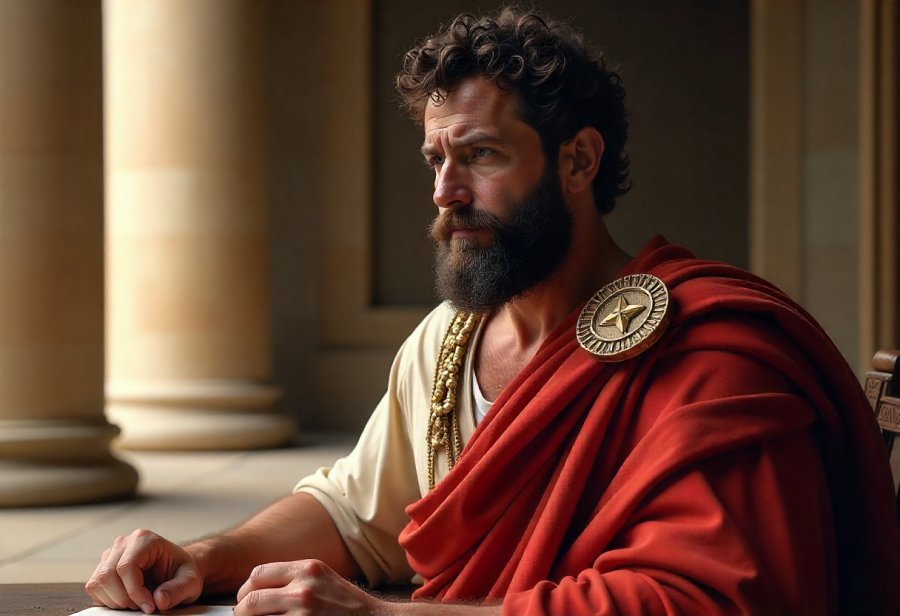
Few figures embody this idea better than Marcus Aurelius, the Roman emperor and Stoic philosopher. His life was a constant balancing act—leading armies, managing an empire, facing wars and plagues—all while practicing patience, humility, and resilience. His writings in Meditations reveal a man who believed that mastery over himself was the key to genuine strength. For Marcus, leadership wasn’t just about commanding others but about cultivating virtues like wisdom, calmness, and self-control within.
This mindset isn’t just a relic of ancient times; it’s a universal lesson that resonates across cultures and eras. More than power or influence, what truly lasts is the ability to govern oneself amid chaos. Resilience, emotional discipline, and wisdom—these qualities form a kind of inner empire that no external upheaval can topple. Leaders and individuals alike find that lasting impact depends on how well they can stay centered, especially when external circumstances threaten to derail them.
Marcus Aurelius’s example makes this connection clear. Despite facing upheaval and constant pressure, he maintained a calm mind and stayed true to his principles. His ability to control emotions and remain grounded under immense stress exemplifies that strength begins inside. Inner resilience allowed him to navigate external challenges without losing sight of his values, demonstrating that real power is rooted in self-mastery rather than conquest.
In today’s world, these lessons are more relevant than ever. Modern leadership emphasizes emotional intelligence, resilience, and self-awareness—traits that echo Marcus’s Stoic ideals. Whether dealing with personal struggles or professional crises, cultivating inner discipline offers a steadying influence. It reminds us that the greatest strength isn’t what we conquer outside, but how well we govern ourselves from within.
Marcus Aurelius: The Philosopher-King Who Mastered Inner Strength
Marcus Aurelius, often called the last of the “Five Good Emperors,” ruled Rome from 161 to 180 AD. His reign was marked by constant external threats, including fierce Germanic tribes pressing against Rome’s borders, and internal challenges like political intrigue and plagues. Despite these pressures, Marcus is remembered not only as a capable ruler but as a philosopher-king who believed that true power stemmed from inner virtue rather than mere dominance.
Adopted by Emperor Antoninus Pius, Marcus was carefully groomed for leadership. His qualities of discipline, wisdom, and humility made him a natural successor, embodying the ideal of a ruler guided by moral integrity. As emperor, he led military campaigns personally, demonstrating resilience and strategic thinking, but always with a mind rooted in Stoic principles. These values shaped his approach to governance and life, emphasizing self-control and rationality amid chaos.
What set Marcus apart was his commitment to philosophy amid his duties. His writings, particularly in Meditations, reveal a man who sought to balance the demands of empire with a deep inner life. Whether defending the frontier or managing court affairs, he continuously reflected on virtues like patience, humility, and acceptance. His personal journals, written during moments of solitude, offer a window into his effort to remain centered and virtuous despite external turbulence.
His path to power was unconventional. Chosen by Antoninus Pius, Marcus inherited an empire already fraught with challenges. Yet he faced these with a calm demeanor, guided by Stoic ideals that prioritized inner resilience over external displays of strength. His leadership was characterized less by conquest and more by the mastery of himself—an inner empire that proved more enduring than any territorial expansion.
Marcus’s life exemplifies how internal discipline can serve as a foundation for external leadership. His ability to stay calm under pressure, to act with virtue in moments of crisis, set a standard for what it means to lead with wisdom. His example reminds us that the greatest strength is often cultivated within, shaping a legacy that transcends the turbulent times he lived through.
Modern Leaders and the Enduring Relevance of Inner Resilience
Today, the idea of inner strength remains highly relevant in leadership and personal growth. Modern approaches emphasize emotional intelligence, resilience, and self-awareness—traits that echo the core principles Marcus Aurelius practiced. Leaders today are valued not just for strategic insight but for their ability to stay calm and composed under pressure, demonstrate empathy, and adapt thoughtfully to change. Techniques like mindfulness, reflection, and emotional regulation have become essential tools for building inner resilience that can withstand the stresses of a rapidly shifting world.
Many successful figures demonstrate that inner discipline isn’t just a philosophical ideal; it’s a practical advantage. Nelson Mandela’s resilience, maintained through nearly three decades of imprisonment, helped him guide South Africa’s transition to democracy. Similarly, Mahatma Gandhi’s unwavering commitment to nonviolence under oppression inspired global movements for justice. In the corporate sphere, leaders like Satya Nadella have shown that emotional intelligence and calm perseverance can turn organizations around during turbulent times. These stories highlight that lasting influence often depends more on inner strength than external power.
Research in psychology supports this view, showing that developing inner resilience involves habits like mindfulness, journaling, and cognitive reframing. These practices foster a sense of stability and control, even amid chaos. Leaders who prioritize self-awareness and emotional regulation respond more thoughtfully rather than impulsively. Over time, these habits reinforce mental fortitude, making inner discipline a skill that can be cultivated through consistent effort. The more we strengthen our inner world, the better equipped we are to handle external upheavals with clarity and purpose.
In an era marked by rapid change and unpredictable challenges, inner discipline provides a vital edge. External circumstances—economic disruptions, social unrest—are beyond our control, but our inner resilience isn’t. Mastering ourselves allows for clearer decision-making, healthier relationships, and more authentic leadership. Marcus Aurelius’s example reminds us that true strength isn’t measured by external victories but by how well we govern our minds and emotions amid adversity. Cultivating inner discipline becomes a foundation that sustains us through both calm and storm.
Practicing Stoic principles daily—such as reflection, mindfulness, and emotional regulation—can significantly boost inner resilience. Simple routines like journaling or pausing before reacting build self-awareness and control. These habits shape how we respond to setbacks and help us maintain steadiness in stressful moments. When these practices become ingrained, inner discipline transforms from an abstract concept into a natural part of everyday life, empowering us to face challenges with patience, clarity, and strength rooted in self-mastery.
Cultivating Inner Resilience: Habits and Strategies for Self-Mastery
Building inner resilience begins with establishing daily habits that foster self-awareness and emotional control. Starting the day with a moment of reflection or journaling helps set a focused mindset, allowing you to recognize your thoughts and feelings before external pressures arise. This small practice creates mental clarity, making it easier to approach challenges with calmness and purpose rather than reacting impulsively.
Incorporating mindfulness exercises, like focused breathing or meditation, strengthens your ability to stay present. These practices teach detachment from immediate reactions, helping you maintain a steady inner state even amid chaos or stress. Over time, regular mindfulness becomes second nature, reinforcing your mental resilience and enabling you to respond thoughtfully rather than emotionally.
Discipline is further built through routines that involve resisting temptations and managing impulses. Whether it’s sticking to a health goal, maintaining a work project, or avoiding distractions, practicing self-control rewires your brain for discipline. Facing setbacks with acceptance and viewing difficulties as growth opportunities shifts your perspective, making resilience a natural response rather than a forced effort.
Reflection is a powerful tool for deepening self-awareness. Writing down your reactions and thought patterns highlights triggers and habitual responses, giving insight into your emotional landscape. With this understanding, you can choose responses more intentionally, especially in high-pressure moments. These habits foster internal stability and confidence, anchoring you regardless of external chaos.
Practicing emotional regulation techniques like deep breathing or pausing before reacting creates mental shields against reactive behaviors. When frustration or stress hit, taking a brief moment to breathe allows you to regain composure, acting with clarity rather than impulse. These small pauses act as mental brakes, giving you the space to align your response with your values and goals.
Breaking larger goals into smaller, manageable steps helps prevent overwhelm and sustains motivation. This approach reinforces discipline through steady progress, turning short-term efforts into long-term character development. Recognizing growth as a gradual process fosters patience and resilience, transforming setbacks into opportunities for learning and strengthening your inner resolve.
As these habits become ingrained routines, inner discipline shifts from an abstract concept into a natural part of daily life. This internal strength influences how we lead, make decisions, and handle adversity. Instead of being defined by external achievements, resilience rooted in self-mastery becomes our most reliable asset, enabling us to navigate life’s ups and downs with steadiness and purpose.

The Practical Power of Inner Discipline in Daily Life, Leadership, and Growth
Inner discipline shapes every aspect of how we approach daily decisions, manage stress, and maintain consistency over time. When we develop routines like morning reflection or goal-setting, we cultivate a calm, deliberate mindset that influences our actions throughout the day. Instead of reacting impulsively to disruptions or temptations, disciplined habits give us the space to pause and choose responses aligned with our values. Over time, this steady approach boosts confidence and resilience, making us better equipped to handle life’s inevitable surprises.
In leadership, inner resilience creates a steadiness that inspires trust and confidence. Leaders who stay calm under pressure demonstrate strength others can rely on, especially during crises or rapid change. When responses are thoughtful rather than emotional, it encourages teams to remain focused and committed, even in chaos. This isn’t about suppressing feelings but about responding with clarity and purpose—showing that true power comes from inner stability rooted in self-control. Such leadership fosters loyalty and respect, qualities that endure beyond any external achievement.
On a personal level, cultivating self-mastery helps us overcome setbacks and resist short-term temptations. Whether sticking to a health routine, pursuing a long-term goal, or maintaining healthy habits, inner discipline keeps us on track. Consistency turns fleeting motivation into sustainable effort, shaping character and boosting confidence. When challenges arise, viewing them as opportunities for growth rather than failures reinforces resilience and patience. This mindset transforms obstacles into stepping stones, strengthening our inner resolve with each experience.
History offers countless examples of inner discipline translating into lasting impact. Nelson Mandela’s unwavering focus during nearly three decades of imprisonment enabled him to lead South Africa through profound transformation. Mahatma Gandhi’s steadfast commitment to nonviolence under oppressive conditions inspired global movements for justice. In the corporate world, leaders like Satya Nadella demonstrate that emotional resilience and calm perseverance can turn organizations around even in turbulent times. These stories remind us that true strength often resides in the mastery of oneself, far more than external power or accolades.
Embedding these habits into everyday routines turns inner discipline from an abstract idea into a natural part of who we are. This internal strength influences how we lead others, make decisions, and grow through adversity. When setbacks occur, they become opportunities to practice patience and reflection, rather than signs of failure. By mastering ourselves first, we lay a foundation of resilience that sustains us through both calm and stormy days. In doing so, we unlock a deeper, more enduring form of strength—one rooted in self-mastery and wisdom that truly stands the test of time.
