




Learning to ride a bike is more than just acquiring a childhood skill—it’s a profound rite of passage that symbolizes independence, resilience, and family bonds. As children wobble, fall, and eventually triumph, these moments forge confidence and foster trust within families. But beneath the joy lies a tension: does the fear of falling overshadow the thrill of freedom? Contemporary practices now blend innovative tools like balance bikes, safety gear, and virtual reality to make learning safer and more engaging. These advancements aim to transform initial fears into confident independence, while cultural traditions continue to shape how communities support young riders. As technology evolves, so does the potential for inclusive, motivating, and safe learning environments that nurture resilience and joy. This journey from wobbling beginner to confident cyclist encapsulates an enduring story of growth, courage, and connection—reminding us that the path to independence is as universal as the ride itself.
Celebrating the Universal Milestone of Learning to Ride a Bicycle
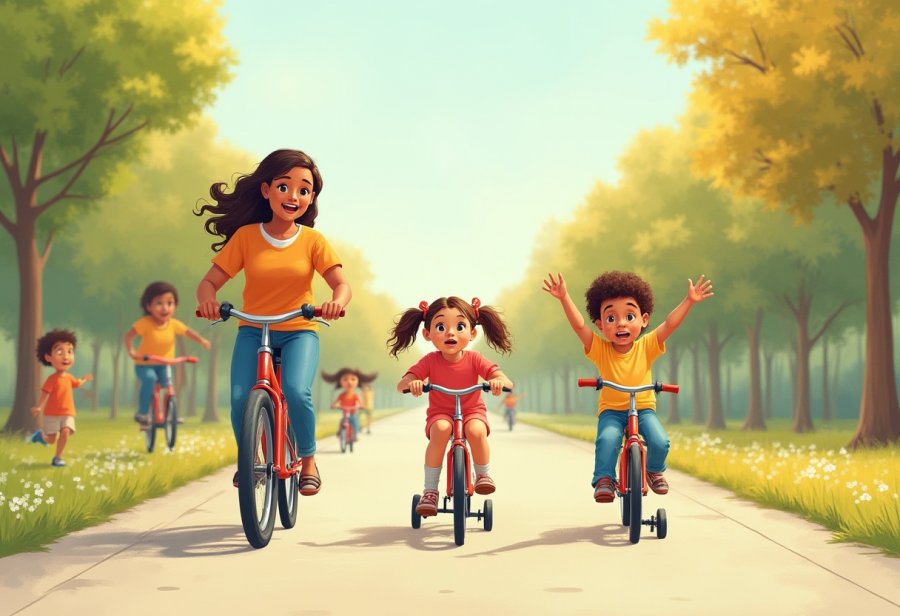
Learning to ride a bike is more than just a childhood skill—it’s a universal milestone that carries deep cultural significance. For many, it symbolizes freedom, independence, and the thrill of discovery. Whether in bustling city streets or quiet suburban neighborhoods, riding a bike marks a moment when children step into a new realm of self-reliance. This simple act bridges generations and backgrounds, becoming a shared experience that celebrates growth through challenge.
For kids, learning to ride often feels like a rite of passage. It’s a transition from dependence on parents or caregivers to taking control of one’s own movement. Mastering balance, pedaling, and steering requires patience, coordination, and resilience—traits that boost confidence and foster a sense of achievement. When children finally succeed, they don’t just gain a practical skill; they develop a mindset that values perseverance and bravery, lessons that stay with them long after childhood.
The emotional impact of learning to ride is profound. It’s a moment filled with joy, pride, and nervous anticipation. Watching a child find their balance and pedal away confidently for the first time creates a shared victory that brings families together. These moments of encouragement and celebration build bonds rooted in trust and support, transforming a simple skill into a treasured family memory that lasts a lifetime.
At the same time, the journey isn’t without its hurdles. Many children feel anxious about falling or losing control, and these fears can sometimes hold them back. Recognizing and addressing these worries with patience and reassurance is key. Turning initial fears into confidence involves gentle guidance, gradual exposure, and lots of encouragement, helping kids see setbacks as part of the learning process rather than failures.
Throughout history, learning to ride a bike has symbolized childhood independence across cultures. It embodies adventure, autonomy, and the courage to face new challenges. Despite societal changes and technological advances, this milestone remains a universal rite of passage, reminding us that growth often involves taking risks, supported by family and community. Riding a bike continues to be a joyful, empowering step on the road to growing up.
Tracing the Evolution of Bicycle Riding as a Cultural Symbol of Independence
Bike riding has long reflected societal values and the evolving nature of childhood independence across cultures. In many regions, especially during the early 20th century, bicycles became symbols of freedom and self-reliance. Families celebrated this milestone with outings and community events, embedding riding a bike into cultural traditions and making it a shared rite of passage from childhood dependence to autonomy. These collective experiences helped turn cycling into a memorable and meaningful step toward growing up.
As bicycles grew more accessible over time, their role expanded beyond simple toys. In rural and developing areas, bikes became essential tools for daily life—allowing children to reach school or assist with chores—making riding a practical skill intertwined with social participation. This shift gave riding a deeper cultural significance, emphasizing mobility and the ability to connect with others, not just as a pastime but as a vital part of everyday independence.
Throughout history, safety concerns and technological innovations have shaped how children learn to ride. Early on, parents relied on physical support or encouraged kids to find balance on their own. The introduction of training wheels in the mid-20th century provided a more structured approach, helping children build confidence gradually. As awareness of safety increased, protective gear like helmets and pads became standard, reflecting a cultural shift toward responsible outdoor activity and risk management that continues today.
Different societies also approach bike riding as a social activity. In some cultures, elders or extended family members teach children, emphasizing collective support and shared traditions. Others have organized programs through schools and community groups, teaching kids not only how to balance but also how to navigate traffic and recognize hazards. These variations show that learning to ride can serve multiple social functions—fostering independence, strengthening community bonds, and passing down cultural values.
The methods for teaching children to ride have evolved alongside technological progress. Early on, parents manually supported their children or relied on instinctive guidance. The advent of training wheels and later balance bikes provided a safer, more gradual learning curve. Today, innovations like connected smart bikes and virtual training scenarios further enhance the learning process, making it more engaging and accessible for children worldwide. These advancements help reduce fears and build confidence in a safe, modern context.
Cultural attitudes toward outdoor play and mobility have also influenced when and how children learn to ride. In communities that prioritize active lifestyles, cycling becomes a natural part of childhood, often supported by local infrastructure like bike paths and safe zones. Conversely, in more urban or safety-conscious settings, organized lessons and designated practice areas create secure environments for learning. These societal priorities shape the accessibility and timing of this important milestone.
Looking at how different societies have approached bike riding reveals a continuous story of adaptation and shared values. From a symbol of independence to a practical necessity and a social activity, cycling remains a universal part of childhood. Its evolution reflects broader cultural shifts toward safety, community support, and personal growth. The journey of learning to ride continues to symbolize more than just mobility—it embodies resilience, connection, and the universal human desire to explore and grow.
Embracing Modern Strategies and Safety Practices in Teaching Kids to Ride
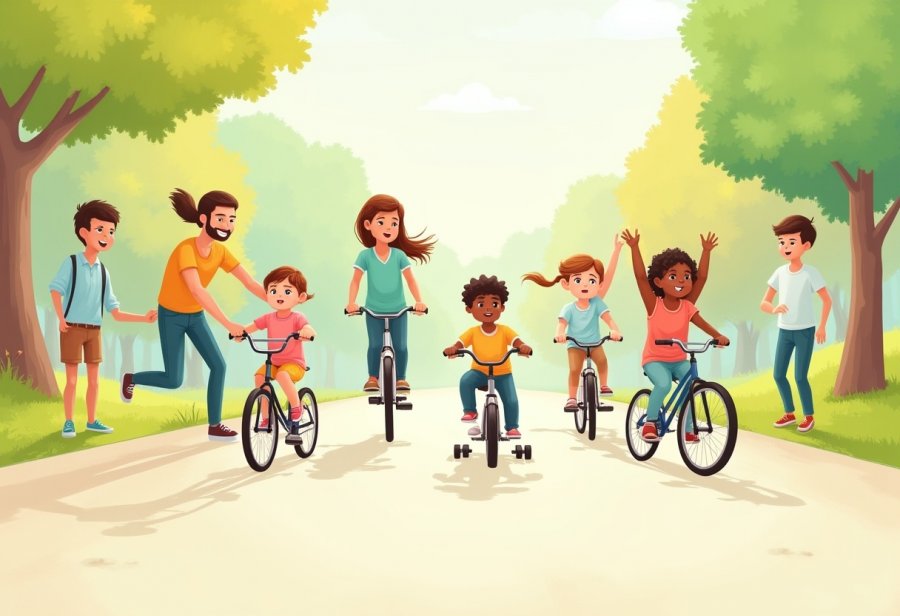
Today, teaching children to ride a bike combines innovative methods designed to boost confidence while prioritizing safety. Many start with balance bikes—simple, pedal-free scooters that help kids develop stability before moving on to pedaling. These bikes make it easier for children to master balancing early, smoothing the transition to a regular bike and reducing frustration. Once they’re comfortable balancing, they often shift to bikes equipped with training wheels, which provide gentle support as they learn to pedal and steer with more independence.
Safety gear has become a vital part of the learning process. Helmets, knee pads, and elbow pads are now standard, not just for protection but also as symbols of responsible riding. When kids see safety gear as normal and appealing, they’re more likely to wear it consistently, making accidents less likely. Many parents and educators incorporate protective equipment from the beginning, helping children associate safety with fun and responsibility. This approach encourages a mindset that values caution without dampening enthusiasm.
Family involvement remains crucial. Parents often act as guides, holding onto the bike at first and gradually stepping back as their child gains confidence. This support transforms potentially nerve-wracking moments into positive bonding experiences. Celebrating small milestones—like balancing without support or pedaling a few meters on their own—builds resilience and self-esteem. These shared victories reinforce that persistence and encouragement are key to overcoming fears and achieving independence.
Community programs and schools also play an essential role. Many integrate bike safety education into physical education classes, teaching children how to navigate traffic, recognize hazards, and respect other road users. These lessons foster a sense of responsibility and awareness, equipping kids with practical skills for riding in diverse environments. Organized lessons and safety campaigns help normalize cycling as a responsible, everyday activity, making children more prepared and confident on the road.
Technological advances are reshaping how children learn to ride. Connected balance bikes with sensors and apps provide real-time feedback on posture and balance, making practice more engaging and tailored to each child. Virtual and augmented reality tools simulate riding scenarios, helping kids practice navigating different terrains and traffic situations safely from home. These innovations reduce anxiety, encourage experimentation, and make the journey to confident riding more accessible and fun, ensuring children develop skills that last a lifetime.
Sharing Heartfelt Stories of Triumph and Growth on Two Wheels
Childhood stories of learning to ride are often filled with a mix of nerves, determination, and triumph. One parent reminisces about steadying their child’s seat as shaky legs pushed pedals for the first time, capturing that moment of concentration mixed with joy. The look on the child’s face when they finally balance on their own or pedal a few meters without help becomes unforgettable. These small victories, celebrated with cheers or high fives, build confidence and reinforce that perseverance really does pay off.
Families frequently share moments where a wobbling child suddenly finds their balance and glides smoothly down a driveway or park path. These experiences turn initial hesitation into excitement, transforming fear into pride. Watching a child conquer their first unassisted ride creates a powerful bond—filled with shared smiles, encouragement, and trust. It’s a reminder that patience and support can turn a daunting challenge into a joyful milestone.
Many kids start with balance bikes, quietly mastering stability before moving to pedal bikes. Others jump straight onto bikes with training wheels, gradually learning coordination and control. Every journey involves setbacks—wobbles, falls, tears—and breakthroughs that showcase resilience and courage. These moments highlight how persistence turns fear into fun, and how encouragement helps children see setbacks as part of the learning process rather than failures.
Support from family makes all the difference. One parent recalls holding their child steady as they wobbled, then confidently pedaling away on their own, filled with pride. These acts of reassurance foster independence and boost self-esteem, showing children they’re capable of more than they believe. Small gestures—steadying hands, kind words—turn frustration into motivation and make the learning process feel safe and supported.
The emotional rollercoaster is a common thread. Children often begin with tears or hesitation, unsure about falling or failing. But with gentle persistence and lots of praise, they surprise themselves. One story tells of a girl initially terrified of falling, who kept trying and eventually rode around the block with a huge smile. These experiences teach that setbacks are just part of growth, and resilience can lead to genuine achievement.
Beyond the act of riding itself, these moments strengthen bonds. Whether it’s a parent running alongside or a sibling cheering from the sidelines, shared effort turns learning into a meaningful family experience. These acts of support help children see themselves as capable and reinforce that they are not alone on their journey.
Every environment offers a unique backdrop—urban streets, quiet parks, suburban neighborhoods—but the core lessons remain the same. Each wobble and fall becomes a stepping stone, and support turns uncertainty into confidence. These stories serve as a reminder that learning to ride isn’t just about balance; it’s about trusting oneself and growing stronger through challenges.
In the end, these real-life stories echo a universal truth: learning to ride is a milestone packed with emotion, resilience, and connection. The falls, the laughter, the small victories all contribute to shaping confident, capable individuals. It’s about more than just pedaling—it’s about building independence, trust, and a lifelong love for cycling that stays with children well into the future.
Innovating the Future of Childhood Biking with Technology and Supportive Environments
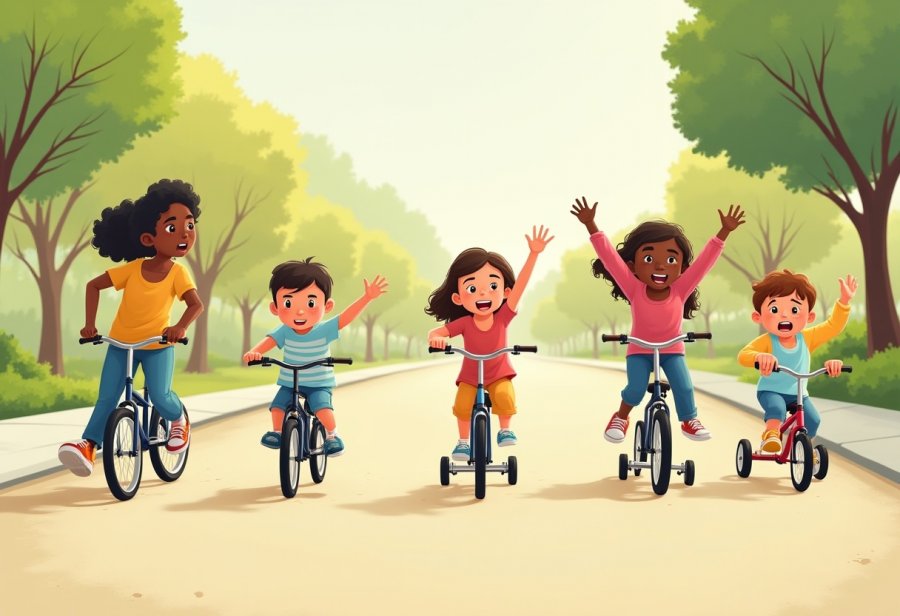
Looking ahead, the future of childhood bike learning is poised to become more engaging and safer thanks to technological advances. Smart balance bikes equipped with sensors and connected apps are already helping kids improve their balance and posture through real-time feedback, making practice more interactive and tailored to each child’s needs. Virtual and augmented reality are also beginning to be explored as tools that simulate riding scenarios, allowing children to practice navigating different terrains and traffic situations safely from home. These immersive experiences can boost confidence, reduce fears, and encourage kids to take on new challenges with greater ease.
At the same time, innovations in safety gear are making riding safer and more appealing. Lightweight, impact-absorbing helmets and protective clothing made from advanced materials are designed to be both stylish and effective, encouraging children to wear protection consistently. Bikes with built-in safety features, like stability controls or automatic braking systems, are emerging, further reducing risks and making learning less intimidating for both kids and parents. These technological improvements help create an environment where children can learn confidently and enjoy the ride without unnecessary worry.
Educational tools are evolving as well, with gamified apps turning practice into fun challenges or friendly competitions. These digital platforms motivate children to practice more regularly and see setbacks as part of the learning journey rather than failures. Virtual coaching programs tailored to individual skill levels can guide kids step-by-step, transforming the process into a personalized adventure. Such innovations make learning to ride not only safer but also more motivating, fostering resilience and independence through play.
Making these advancements accessible remains a priority. Efforts to produce affordable, durable equipment and expand safe infrastructure—like protected bike lanes and dedicated practice zones—aim to ensure that all children, regardless of background, can participate. When technology and community planning work hand-in-hand, they create a supportive ecosystem that encourages more kids to get on their bikes, learn safely, and develop a lifelong love for cycling.
As these innovations continue to develop, the core principles of safety, support, and joy will remain central. The integration of cutting-edge tools with supportive environments promises to help more children overcome fears and build lasting confidence on two wheels. The journey toward confident, independent riders will become more inclusive, enjoyable, and inspiring, ensuring that the thrill of learning to ride endures for generations to come.