




Embarking on your first camping adventure can feel daunting, yet with the right mindset, it transforms into a deeply rewarding journey of self-discovery and connection with nature. How can embracing curiosity and resilience turn potential setbacks—like unpredictable weather or equipment mishaps—into memorable stories? This guide emphasizes the importance of preparation, from choosing beginner-friendly sites to packing essentials thoughtfully, all while fostering a relaxed attitude. It encourages immersing yourself fully in the outdoor experience, savoring small joys, and learning from challenges that build confidence and resilience. Creating a supportive camping environment through mutual respect and shared responsibility enhances safety and camaraderie, making the trip more meaningful. As you reflect on your adventures, you’ll realize that every obstacle offers lessons, turning each trip into a stepping stone toward greater exploration. Could your first outdoor escape be the start of a lifelong passion for discovery, growth, and unforgettable memories?
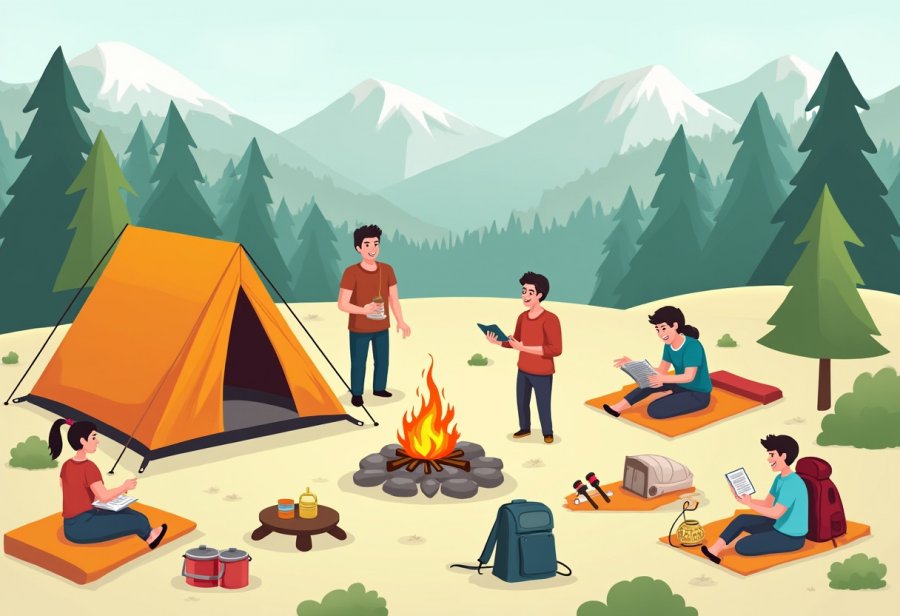
Transform Stress into Excitement with the Right Mindset for Camping
Starting your first camping trip can feel a bit intimidating, but the right mindset turns it into an exciting adventure rather than a stressful challenge. Approaching outdoor life with curiosity and openness helps you see setbacks—like unexpected weather or equipment mishaps—as part of the experience, not obstacles to fear. Embracing this attitude transforms problems into stories and lessons, making each trip more rewarding.
Preparation is just as vital as your mindset. Packing the essentials—such as a sturdy tent, warm sleeping bags, and weather-appropriate clothing—lays a solid foundation for a smooth journey. But mental prep matters too. Accept that things might not go perfectly and that improvising or handling surprises with humor is all part of the outdoor experience. When you stay relaxed and flexible, you’re more likely to enjoy the moment and adapt easily.
A positive outlook also helps you stay present. Listening to nature’s sounds, watching a sunset, or feeling the cool air on your skin becomes more meaningful when you’re not preoccupied with worries. Mindfulness turns camping into a chance to reconnect with both nature and yourself. Focusing on small joys—like the crackle of a campfire or the feel of dirt underfoot—creates memorable moments that stick with you.
Setting realistic expectations shapes a more enjoyable experience. Instead of aiming for perfection, celebrate small victories like pitching your tent or cooking a simple meal. These wins build confidence and help you see camping as a journey of discovery, not a test of skill. Every trip, no matter how simple, becomes a stepping stone toward more complex adventures, encouraging ongoing exploration.
Flexibility is key in outdoor settings. Weather can change suddenly, or plans might need adjusting, but viewing these moments as part of the adventure keeps frustration at bay. Approaching each situation with curiosity and patience allows you to adapt quickly and enjoy the ride. This mindset not only makes your trip more fun but also nurtures resilience that benefits you in everyday life.
A positive camping mindset shapes how you handle challenges. Instead of dwelling on setbacks, see them as opportunities to learn and grow. Whether it’s a rainstorm or a tent that takes longer to set up, approaching obstacles with a can-do attitude turns frustrations into stories and lessons. This resilience makes every outdoor experience more meaningful and prepares you for future adventures.
Finally, remember that your attitude influences how memorable your trip becomes. A relaxed, open approach transforms outdoor challenges into shared stories and personal achievements. When you focus on the process and enjoy each moment, camping turns into more than just an activity—it becomes a journey of self-discovery and connection with nature.
By cultivating a positive, adaptable mindset from the start, you lay the groundwork for a rewarding first camping experience. Embrace the unknown with confidence, celebrate small wins, and stay curious. This outlook transforms what might seem like hurdles into opportunities for growth, ensuring your outdoor adventures are not only fun but also enriching.
Step-by-Step Planning to Ensure Your First Camping Adventure Runs Smoothly
Planning your first camping trip might seem overwhelming at first, but breaking it down into clear steps makes the process much more manageable. Start by choosing a campsite that feels friendly for beginners—look for spots that are easy to access, have basic amenities, and are known for being family-friendly. National or state parks often fit this bill, offering well-maintained sites with straightforward signage and safety features. Picking a location close to home can also ease travel stress and give you peace of mind that help is nearby if needed.
Once you’ve selected your spot, create a packing list focused on essentials. A sturdy tent, warm sleeping bags suited to the weather, and a ground mat for comfort are must-haves. Include practical items like a reliable flashlight or headlamp with extra batteries, weather-appropriate clothing, and a basic first-aid kit. Don’t forget a portable stove, utensils, and easy-to-make meals. Additional gear like insect repellent, sunscreen, and a multi-tool will make your trip smoother and more enjoyable.
Checking the weather forecast before you head out helps you pack appropriately and set realistic expectations. Sharing your plans with a trusted friend or family member—detailing your location and expected return—adds a layer of safety. Familiarize yourself with campsite rules and basic outdoor skills, such as how to set up your tent and handle fire safety. Doing a quick practice run at home can boost confidence and make setup at the site quicker and easier.
Packing thoughtfully isn’t just about gear; it’s about mental preparation, too. Think through potential scenarios—what to do if it rains, how to deal with lost items, or minor injuries—and plan accordingly. The more prepared you feel, the less overwhelmed you’ll be. Remember, mistakes are part of learning, and each experience helps you grow more confident in the outdoors.
When you arrive, take your time choosing a flat, clear spot away from hazards like falling branches. Organize your gear so everything is accessible, making setup less stressful. Once your tent is pitched and your essentials are in place, take a moment to explore the area. Walking around your campsite can help you feel more comfortable and connected to your surroundings, turning unfamiliar territory into a welcoming space.
Planning your trip is more than just packing gear—it’s about setting the right mindset. Focus on enjoying the process, stay flexible, and remember that minor setbacks are normal. With a clear plan and positive attitude, your first camping adventure will be smooth, fun, and the start of many outdoor journeys to come.
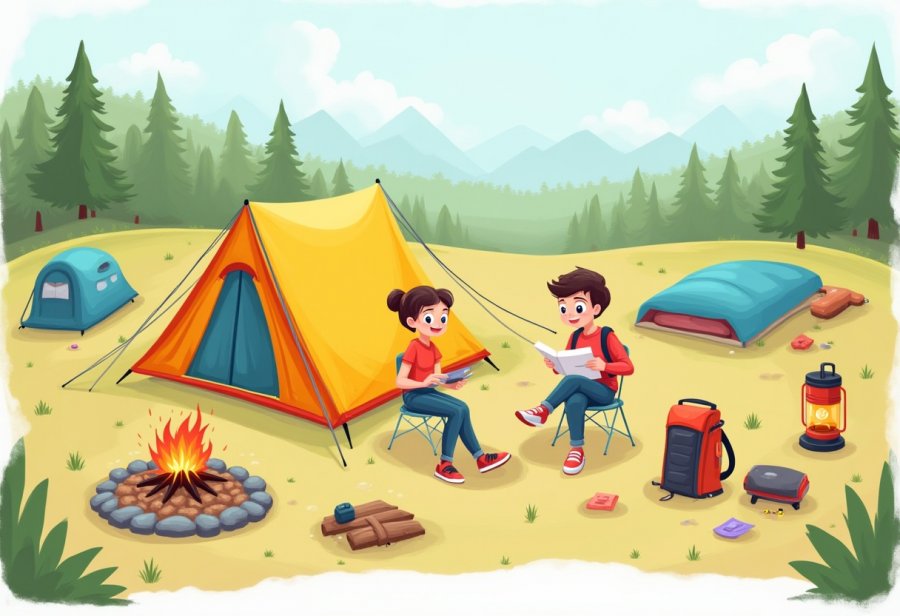
Turn Your First Camping Trip into a Memorable Learning Experience
Making the most of your first camping trip is about immersing yourself in the outdoors and allowing the experience to teach you something new. Instead of rushing through activities, slow down and pay close attention to the small details — the chirping of birds, the texture of cool grass beneath your feet, or the glow of a campfire at night. These moments often become the most memorable, grounding you in the present and deepening your connection to nature.
Trying new things during your trip can turn an ordinary outing into a genuine adventure. Whether it’s exploring an unfamiliar trail, cooking over an open fire, or identifying local plants and wildlife, each small discovery boosts your confidence. Embrace mistakes—they’re part of the process and often lead to funny stories or valuable lessons that stick with you long after the trip.
Challenges, like unexpected rain or difficulty pitching your tent, are inevitable. But viewing them as opportunities rather than setbacks transforms frustration into resilience. Adapt, get creative, or simply laugh off the mishaps. This mindset not only makes the trip more enjoyable but also builds skills that translate into everyday life—problem-solving, patience, and flexibility.
Sharing stories around the campfire or with fellow campers turns a simple trip into a bonding experience. Whether recounting a funny mishap or marveling at a stunning sunset, these moments create connections that last beyond the campfire. Even if you’re alone, capturing your experience through photos or journaling helps reflect on the trip’s highlights, reinforcing your sense of achievement and wonder.
Taking time to reflect on what you’ve experienced helps solidify your confidence and prepares you for future adventures. Recognize the small victories—like mastering a new skill or navigating a tricky trail—and let them inspire you. Consider what challenged you and how you handled it; these insights foster growth and resilience.
Remember, the goal isn’t perfection but enjoyment. Focus on the small wins — waking up to a sunrise, successfully cooking outdoors, or simply relaxing in nature. These moments, though simple, are the building blocks of a lifelong love for outdoor exploration. Each trip offers new lessons, stories, and memories that motivate you to keep exploring.
As your outdoor adventures grow, so will your confidence and skills. Each experience shapes you into a more resilient, curious explorer, eager for the next challenge. Nature’s unpredictability becomes part of the journey, teaching patience and adaptability along the way. With every trip, you deepen your appreciation for the outdoors and discover more about yourself.
Build a Supportive and Safe Camping Environment for Everyone
Building a positive and safe camping environment begins with setting clear expectations and fostering mutual respect among everyone involved. When each camper understands basic guidelines—like staying within designated areas, handling fires responsibly, and respecting wildlife—it creates a foundation of safety that benefits all. Clear communication about these rules helps prevent misunderstandings and ensures everyone feels confident about their role in maintaining a secure space. Encouraging open dialogue where questions and concerns are welcomed makes it easier to address issues before they escalate.
Creating a supportive atmosphere also means cultivating patience and kindness, especially with newcomers or children experiencing the outdoors for the first time. Small gestures, like sharing chores, listening actively, or celebrating each person’s contributions, build a sense of camaraderie and trust. When campers feel valued and included, the trip becomes a shared experience rooted in mutual care and respect, transforming a simple outing into a meaningful bonding opportunity.
Safety is paramount, but it doesn’t have to feel rigid or intimidating. Establishing straightforward rules—such as keeping a safe distance from campfires or disposing of trash properly—helps keep everyone secure while still allowing room for fun and spontaneity. When these practices become second nature, they reduce the risk of accidents and foster peace of mind. A campsite where safety is part of the culture naturally encourages everyone to look out for each other, making the environment more relaxed and enjoyable.
Shared responsibility plays a key role in building a supportive camping setting. When everyone pitches in—setting up tents, gathering firewood, or tidying up—the sense of teamwork deepens. This collective effort not only lightens individual workloads but also nurtures a stronger bond among campers. Taking ownership of the space fosters respect for the environment and reinforces a community spirit that makes the experience more meaningful.
Attentiveness to individual needs and moods helps maintain a positive atmosphere. Recognizing when someone needs a break, a kind word, or a little extra patience can make a significant difference. Showing understanding during stressful moments or mishaps keeps the mood light and resilient. When everyone feels cared for and supported, setbacks become shared stories rather than sources of frustration, strengthening connections and trust.
Finally, creating an environment where everyone feels safe, valued, and included encourages campers to be themselves and fully engage with the outdoor experience. When trust and kindness are woven into the camp’s culture, it elevates the trip from mere outdoor activity to a memorable journey of connection and growth. This supportive atmosphere not only enhances safety but also transforms each adventure into a shared memory that fosters a lifelong love for camping and nature.
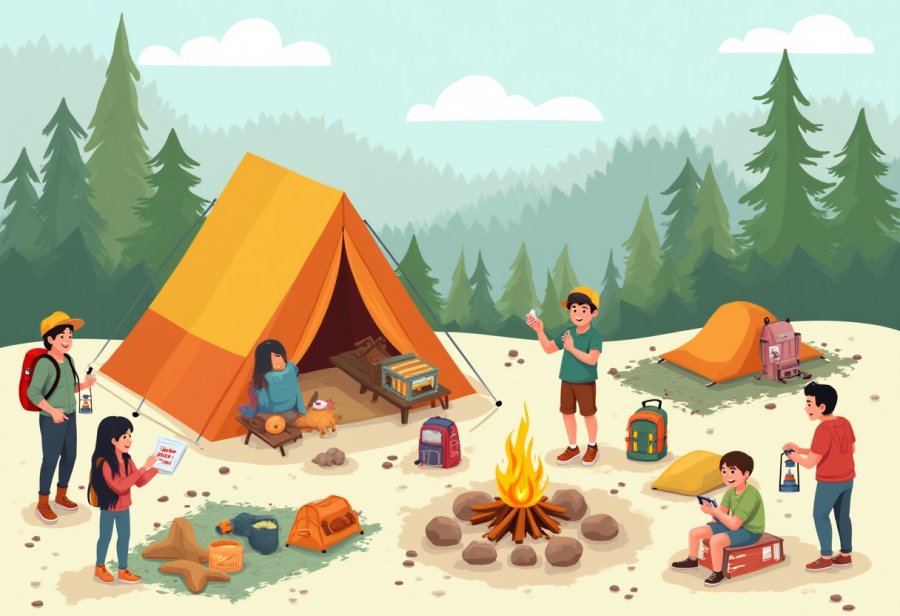
Embrace Growth and Adventure: Your Path to Outdoor Confidence and Joy
Embarking on your first camping trip marks just the beginning of a journey filled with discovery, growth, and unforgettable moments. Approaching each adventure with an open mind and a positive attitude turns challenges into opportunities and transforms setbacks into stories worth sharing. Whether it’s witnessing a breathtaking sunrise, navigating a sudden rainstorm, or simply enjoying the quiet beauty of nature, these experiences shape your confidence and deepen your love for the outdoors.
The skills you develop along the way—setting up a tent, cooking over a fire, or reading the trail—stay with you long after the trip ends. Celebrating these small victories fuels your enthusiasm and encourages more outdoor exploration. As you gain experience, tackling new challenges becomes easier, and your adventures become even more rewarding. Outdoor life offers endless chances to learn, connect, and grow, making each trip a building block for future journeys.
Nature’s unpredictability is part of what makes camping so special. Weather changes, equipment mishaps, and unexpected detours might happen, but viewing them as opportunities rather than setbacks transforms frustration into resilience. Each obstacle offers a lesson in patience, adaptability, and problem-solving—traits that benefit every part of life. This mindset turns every outdoor experience into a story of perseverance and discovery.
Sharing stories from your adventures—around a campfire, with friends, or in photos—keeps the spirit of exploration alive. These stories serve as reminders of what you’ve accomplished and inspire you to plan the next trip. Reflecting on the highlights and lessons learned reinforces your confidence and passion for outdoor adventures. Over time, the outdoors becomes a source of inspiration and renewal, inviting you to keep exploring.
Remember, every trip, no matter how simple, adds to your toolkit of skills and confidence. Mistakes are inevitable, but they’re also valuable teachers. Embracing the unknown with curiosity and resilience makes outdoor adventures more meaningful and fun. The wilderness offers endless opportunities to grow, connect, and create lasting memories—each journey shaping you into a more resilient, curious explorer.
Your outdoor journey is about more than just the scenery; it’s about personal transformation. Patience, flexibility, and a sense of wonder turn each trip into a story of self-discovery. The outdoors challenges you to be your best, to adapt, and to appreciate life’s simple pleasures. These lessons extend beyond the campsite, enriching your perspective and resilience in everyday life.
As you look ahead to future adventures, carry the lessons, memories, and confidence gained from each trip. Let your experiences fuel your curiosity and inspire new discoveries. The world outside is vast, welcoming, and full of surprises, ready to reward your courage and curiosity. Every outdoor journey is a step toward greater self-awareness and a deeper connection with nature.
Your love for camping and exploration can become a lifelong passion. Each trip, with its unique stories and challenges, helps you grow into a more confident, resilient adventurer. Keep exploring with an open heart, a curious mind, and a spirit eager for discovery. The best adventures are still ahead, waiting to be written with every step you take into the great outdoors.